
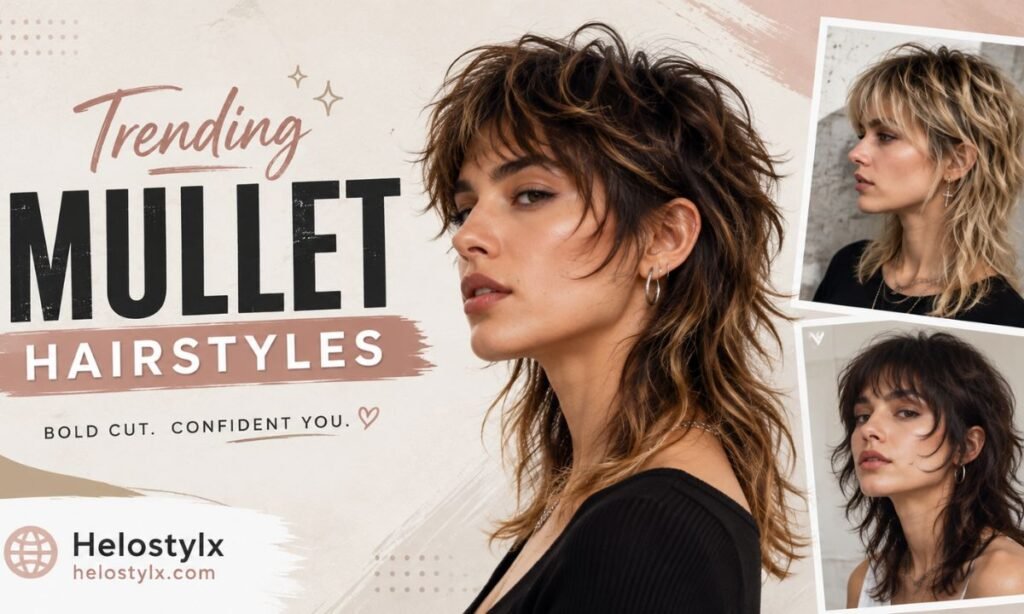
The mullet has made an undeniable comeback in modern fashion, transforming from an iconic 1980s statement into a versatile contemporary hairstyle that appeals to trendsetters across all demographics. This legendary cut with its signature “business in the front, party in the back” philosophy has evolved far beyond its original form, now featuring refined techniques, personalized variations, and contemporary styling approaches. What makes today’s mullets different from their predecessors is the emphasis on blending, texture, and individual expression—gone are the days of bulky, disconnected sides and unkempt styling.
The resurgence of mullet hairstyles represents more than mere nostalgia. Modern mullets offer remarkable versatility, adapting seamlessly to professional environments while maintaining an undeniably bold aesthetic. Whether you’re a fashion-forward professional seeking subtle sophistication or a creative individual craving an edgy statement, the contemporary mullet landscape offers something genuinely compelling for virtually every personality and lifestyle. Celebrity influencers, musicians, and style icons have all embraced variations of this cut, proving its staying power in today’s beauty and grooming culture.
Understanding Mullet Hair
The mullet is fundamentally characterized by contrasting hair lengths throughout the head. The front and sides feature shorter, tapered hair that keeps the silhouette clean and manageable, while the back section maintains significantly longer length, creating dramatic visual impact and movement. This contrast forms the essential foundation of any mullet style, though modern interpretations play with proportions, blending techniques, and texture in innovative ways.
What distinguishes a quality modern mullet from its retro counterpart is the execution. Contemporary mullets utilize low taper fades or skin fades on the sides, ensuring seamless blending rather than a harsh, disconnected line. The top remains textured and styled with intention, whether through intentional layers, natural wave patterns, or deliberate choppy elements. This refinement allows mullets to transition smoothly between casual and professional contexts, making them genuinely wearable for diverse lifestyle scenarios.
Mullets work exceptionally well across different hair textures. Straight hair displays sharp lines and clean structure beautifully. Wavy hair takes on natural movement and dimension, while curly hair gains remarkable volume and dynamic texture. Fine hair benefits from the styling movement mullets create, thick hair accommodates the length distribution without appearing overwhelming, and textured hair provides the perfect canvas for the layered effects modern mullets celebrate.
Five Premier Mullet Styles Currently Trending
The contemporary mullet landscape encompasses far more than one or two variations. Today’s trending styles represent a spectrum of approaches, each designed to resonate with different personality types, professional contexts, and personal aesthetics. Understanding these five primary styles provides an excellent foundation for exploring the broader mullet universe.
| Style | Best For | Key Features | Difficulty Level |
| Feathered Mullet | Classic elegance seekers | Soft layers, tapered sides, voluminous crown | Easy |
| Wolf Cut Mullet | Texture enthusiasts | Multiple layers, edgy movement, choppy texture | Moderate |
| Classic Evolution | Professional individuals | Refined proportions, clean fade, subtle length | Easy |
| Undercut Mullet | Bold statement makers | Dramatic fade, high contrast, sharp definition | Moderate |
| Textured Mullet | Casual personalities | Intentional texture, tousled appearance, personality-forward | Easy |
The Feathered Mullet
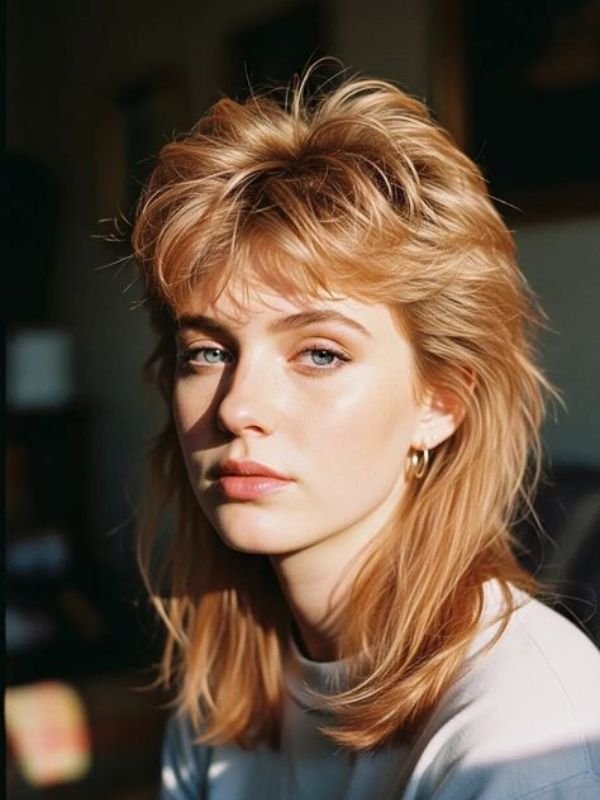
The feathered mullet represents a refined approach to this classic silhouette, emphasizing soft, flowing movement throughout the cut. Rather than harsh lines or disconnected sections, this style features thoughtfully feathered edges that create a seamless blend between the shorter front sections and longer back length. The technique involves point-cutting the ends at angles, allowing each layer to lie independently while contributing to overall dimension.
This variation works magnificently for individuals seeking mullet styling without the aggressive edge. The feathered approach softens facial features while maintaining the defining mullet contrast. Light, voluminous texturing at the crown builds vertical dimension, particularly beneficial for round or square face shapes that benefit from added height. The feathered ends throughout create an elegant, almost romantic quality that contradicts traditional mullet stereotypes.
Styling the feathered mullet requires minimal effort compared to more textured variants. Light mousse applied to damp hair creates body at the roots. A blow dryer used with fingers rather than brushes encourages the natural wave and feather pattern. A touch of texture cream or light wax maintains separation without visible product buildup. Many individuals with naturally wavy hair find this style remarkably low-maintenance, as their hair’s inherent texture aligns perfectly with the feathering techniques employed during the cut.
The feathered mullet suits both straight and wavy hair textures beautifully. Curly-haired individuals might find the technique works less predictably, as curl patterns can distort the intended feathered appearance. Regular trims every six to eight weeks maintain the feathered edges and prevent the style from appearing overgrown or unkempt. This style bridges the gap between classic mullet acknowledgment and modern styling sensibilities.
Wolf Cut Mullet
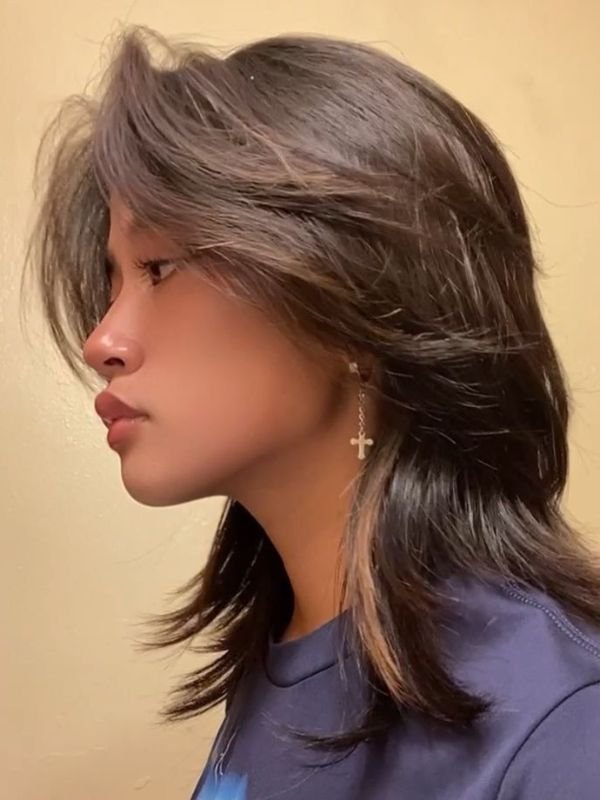
The wolf cut mullet represents perhaps the most textured and dramatically layered approach to contemporary mullet styling. This style emerged from the intersection of vintage wolf cut techniques and traditional mullet proportions, creating an explosion of volume, movement, and deliberate texture throughout. The wolf cut mullet features pronounced layering beginning at the crown, with shorter feathered layers stacked strategically to maximize volume and create dimension from every angle.
What distinguishes the wolf cut mullet from simpler layered variations is the intentional choppiness and textural emphasis. Barbers execute this cut using techniques that create visible separation between layers, preventing a uniform appearance. The front and crown feature shorter, dramatically layered sections that can stand upright with proper styling, while the back maintains the extended length signature to mullets. The sides incorporate a taper or fade, though some individuals embrace more disconnected styles for enhanced edge.
The wolf cut mullet thrives on curly, wavy, and naturally textured hair. These hair types allow the layers to display themselves dramatically, with curls springing upward at the crown and longer curls developing more elongated patterns toward the nape. Straight-haired individuals can absolutely rock this style with consistent blow-drying and texturizing products, though they’ll need to invest slightly more effort in daily styling to achieve the intended effect.
Styling the wolf cut mullet requires intentional product application and blow-dry technique. Volumizing mousse applied to damp roots followed by blow-drying with fingers throughout creates foundational texture. Sea salt spray enhances natural wave patterns and encourages the tousled appearance this style celebrates. Texture clay or matte wax added to dry hair separates individual sections, preventing the look from collapsing into a flat appearance. This style rewards styling investment with genuinely impressive visual impact.
The wolf cut mullet suits individuals who appreciate low-maintenance appearances despite requiring consistent styling attention. The seemingly carefree, “just rolled out of bed” aesthetic actually requires intentional execution. Those seeking bold personality expression through their hairstyle find tremendous appeal in this dramatic, textured approach. The style works equally well for rock-and-roll aesthetics and contemporary fashion contexts.
Classic Mullet Hairstyle Evolution
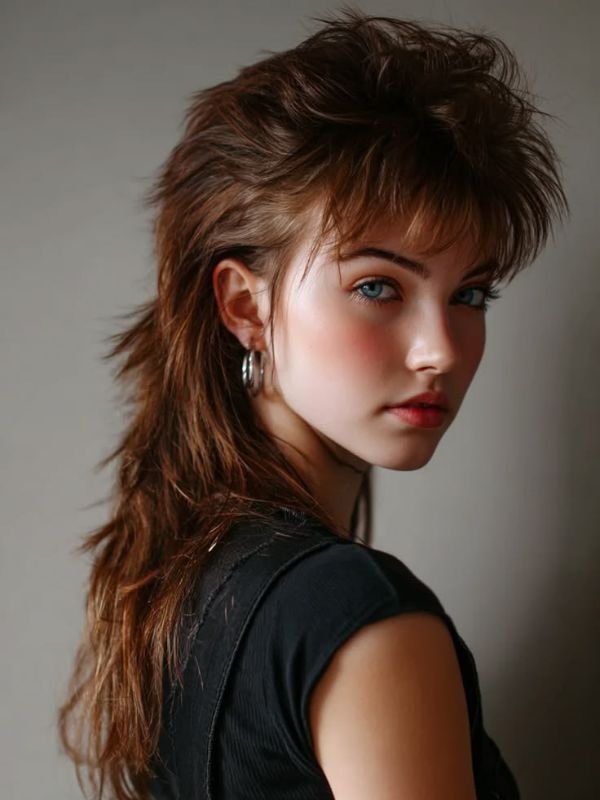
While modern mullets have exploded into countless variations, the classic mullet remains timelessly appealing and surprisingly wearable in contemporary contexts. The evolution of the classic mullet demonstrates how simple technique refinements transform retro looks into genuinely current styles. Today’s classic mullets maintain the fundamental short-sides, long-back silhouette while incorporating modern barbering techniques that previous generations simply didn’t employ.
The contemporary classic mullet features carefully crafted tapering on the sides rather than blunt buzz cuts. A low taper fade or skin fade creates gradual blending that appears intentional and refined rather than disconnected. The top remains short yet textured, achieving the clean aesthetic without appearing flat or lifeless. The back length varies depending on personal preference, though proportions typically position the longest section slightly above the shoulders in moderately styled versions.
This style represents the closest modern interpretation to historical mullets, yet it bears important distinctions from 1980s versions. Proper fading techniques create seamless integration that looks contemporary rather than dated. The proportions appear more balanced through modern styling approaches. Quality haircare and styling products enhance natural movement in ways unavailable decades earlier. These refinements allow the classic mullet to exist as genuinely current rather than purely retro.
The classic mullet works across virtually all hair textures when executed properly. Straight hair displays sharp lines and clean structure beautifully. Wavy hair develops natural movement and dimension. Curly hair creates volume and texture without requiring specific layer work. This universal adaptability contributes to the style’s enduring appeal. Maintenance remains straightforward, with regular trims every four to six weeks preserving the tapered sides and preventing the back from becoming unwieldy.
Styling requires minimal investment. Slicking the top back with a light pomade creates professional polish. Adding texture and movement with mousse and blow-dry techniques personalizes the appearance. Many individuals find the classic mullet surprisingly suitable for workplace environments, particularly when proportions remain modest and styling appears intentional rather than rebellious.
Undercut Mullets for Bold Contrast
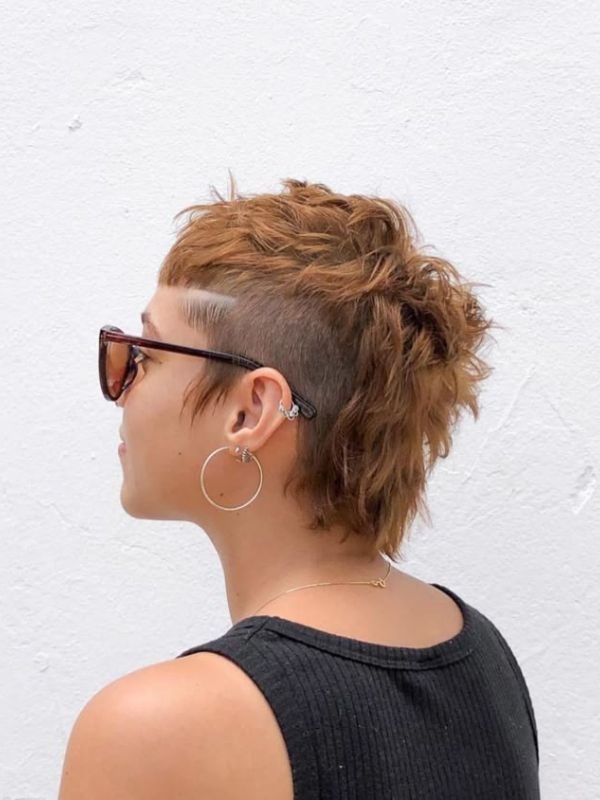
The undercut mullet represents an aggressive interpretation of traditional mullet concepts, featuring dramatic fading that emphasizes the contrast between short sides and extended back length. Rather than gradual tapering, undercut mullets employ skin fades that progress directly from shaved sides into slightly longer upper side sections, creating visible, intentional separation. This high-contrast approach makes undercut mullets visually striking and undeniably bold.
Undercut mullets typically pair the dramatic side fading with textured or slightly longer top sections, creating visual interest throughout the cut. Some variations include disconnected tops where the crown remains noticeably longer than the sides, amplifying the contrast effect. The back length can vary considerably, with some undercut mullets maintaining relatively modest back extensions while others embrace longer, flowing styles. This flexibility allows undercut mullets to adapt to varying comfort levels regarding boldness.
The undercut approach works spectacularly with curly and textured hair types. Curls spring upward naturally when sides are shaved closely, creating dimensional contrast that photographs beautifully and impresses in person. Straight-haired individuals can absolutely embrace undercut mullets, though they’ll want to blow-dry with upward direction at the crown to maximize the volume and height contrast the style depends upon. Wavy hair develops natural movement in the longer back sections while sides remain clean and defined.
Undercut mullet styling emphasizes the contrast rather than softening it. Volumizing products applied to the crown create visual lift, making the longer back appear even more extended by comparison. Some individuals enjoy slicking the top straight back for maximum edge, while others prefer a more tousled appearance that balances the dramatic sides. Texture products maintain separation without visible buildup. The maintenance commitment remains moderate, with regular trims every four to six weeks necessary to keep sides sharp and defined.
This style unmistakably communicates bold confidence and personality. It suits individuals who thrive on attention and enjoy making statements through their appearance. Professional environments vary in their reception to undercut mullets, with creative industries generally embracing this style while traditional corporate settings might find it challenging. Understanding your specific context matters when committing to an undercut mullet interpretation.
Modern Twists on Faded Mullets
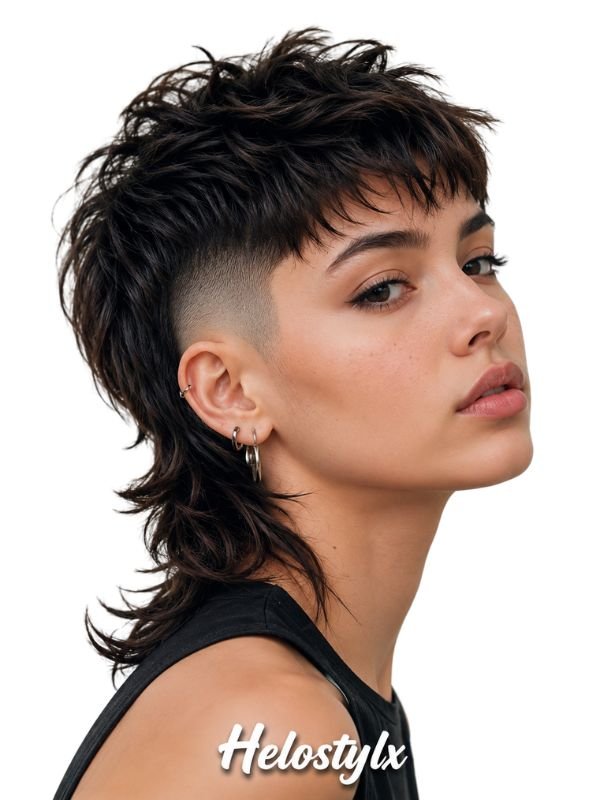
Faded mullets represent perhaps the most commercially popular contemporary interpretation, appealing to individuals seeking genuine style updates without sacrificing wearability in diverse contexts. The faded mullet combines the proportional signature of traditional mullets with modern fade techniques that emerged from contemporary barbering trends. This fusion created a style that feels undeniably current while remaining grounded in recognizable mullet foundations.
Modern faded mullets typically feature low taper fades or drop fades that progress naturally from closely cut sides into longer top length. Rather than harsh disconnects, these fades create smooth transitions that appear intentional and refined. The top maintains textured styling through natural layers, deliberate choppy cutting, or wave pattern incorporation. The back extends beyond the nape, though faded mullets typically embrace more modest length proportions than some contemporary variations.
What distinguishes faded mullets from other modern approaches is their remarkable versatility across professional and casual contexts. The fade element communicates contemporary styling sensibility, while the mullet silhouette maintains personality and edge. This balance makes faded mullets genuinely suitable for workplace environments ranging from creative industries to more conservative corporate contexts. The style performs exceptionally well in social settings, where the extended back length provides visual interest without appearing rebellious or attention-seeking in negative ways.
Faded mullets work beautifully across all hair textures. Straight hair displays the fade definition clearly and sharply. Wavy and curly hair develop natural texture and dimension in both the faded sections and extended back. Fine hair appears fuller through the contrast and dimensional styling. Thick hair accommodates the extended back without appearing overwhelming thanks to proper proportioning. This universal adaptability contributes significantly to the faded mullet’s popularity.
Styling faded mullets requires moderate investment. Blow-drying with a round brush creates volume and shape at the crown. Texture sprays enhance natural movement without appearing product-heavy. Styling creams or light wax can define the top while maintaining understated appearance. Many faded mullet wearers enjoy styling variations, from sleek, controlled appearances to tousled, textured versions, demonstrating the style’s genuine versatility. Regular maintenance every six weeks preserves the fade definition and prevents the overall shape from becoming distorted.
Textured Mullets for Rugged Looks
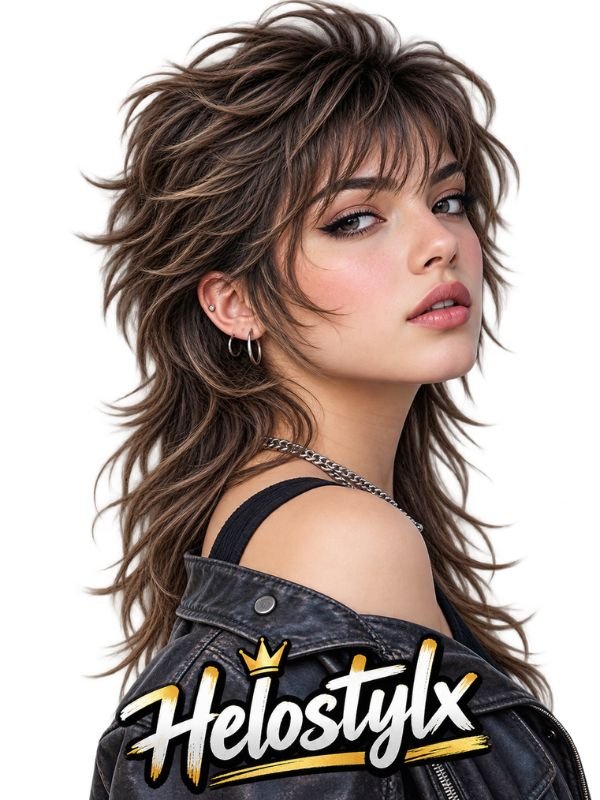
Textured mullets embrace intentional choppiness, visible separation, and deliberately undone styling aesthetics that communicate confidence and casual coolness. Rather than smooth blending or refined tapering, textured mullets employ cutting techniques that create visible layers, choppy sections, and piecey separations throughout. This approach prioritizes personality and movement over polish or perfection, resulting in hairstyles that appear effortlessly cool regardless of actual styling effort invested.
The textured mullet cutting technique utilizes point cutting and razor work extensively, creating visible texture throughout the cut. Layers at the crown build volume and movement, while choppy sections in the back create dynamic, flowing appearance without appearing structured. The sides typically incorporate fade or taper work, though the focus remains on the textural elements throughout rather than fade precision. This style celebrates imperfection, making it remarkably forgiving for daily styling variations.
Textured mullets thrive magnificently on naturally wavy or curly hair. These hair types provide inherent movement and dimension that amplify the textured aesthetic. Straight-haired individuals can absolutely achieve textured mullet styling through intentional blow-drying and product choices, though they’ll invest more styling effort than naturally textured counterparts. The goal involves creating apparent casualness that actually requires subtle technique and product knowledge, though the end result should never appear overworked.
Styling textured mullets celebrates imperfection intentionally. Dry texture sprays enhance existing wave patterns and create visible separation. Light wax or matte clay applied sparingly to dry hair maintains defined sections without visible product. Some individuals simply air-dry their textured mullets, allowing natural hair patterns to dictate the final appearance. This remarkable flexibility makes textured mullets genuinely low-maintenance in ways that simpler cuts sometimes aren’t, as they perform beautifully regardless of styling precision invested.
The textured mullet appeals strongly to individuals with artistic sensibilities, creative careers, or personalities that thrive on casual authenticity. The style works well in casual professional environments, creative industries, and social contexts where visual personality expression is celebrated. Some more conservative environments might perceive textured mullets as excessively casual, so context awareness matters when considering this approach.
The Shaggy Mullet
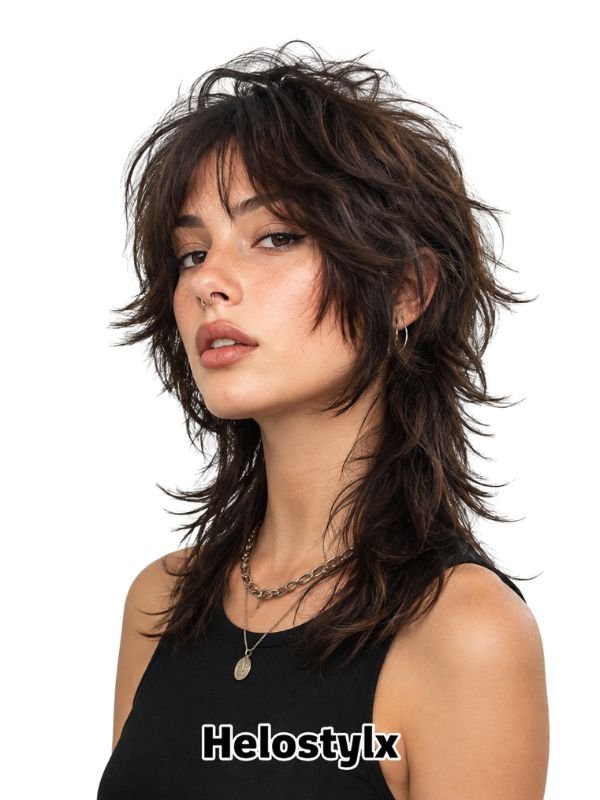
Shaggy mullets represent perhaps the most carefree, low-maintenance interpretation of contemporary mullet styling, emphasizing voluminous layers throughout and deliberately undone appearance. This style emerged from the intersection of vintage shag cuts and modern mullet proportions, creating looks that feel simultaneously retro-inspired and aggressively contemporary. The shaggy mullet celebrates movement, texture, and the kind of relaxed coolness that actually requires strategic layering to achieve.
The shaggy mullet features extensive layering throughout the crown and top sections, with layers beginning at the crown and stacking toward the forehead. The back maintains mullet length while incorporating soft layers that create feathering and movement rather than blunt, uniform density. This layering approach builds volume dramatically, particularly beneficial for individuals with finer hair textures seeking fuller appearances. The sides typically incorporate soft fading rather than aggressive skin fades, maintaining some length that contributes to overall texture and movement.
Shaggy mullets work exceptionally well on wavy and curly hair types, where natural texture patterns align perfectly with the layering techniques. Straight-haired individuals can rock shaggy mullets through dedicated styling, though they’ll want to employ texturizing products and blow-dry techniques that encourage movement. The challenge for straight hair involves creating apparent texture and movement without relying on natural wave patterns, requiring slightly more daily styling attention than wavy or curly-haired counterparts.
Styling shaggy mullets celebrates low-maintenance aesthetics genuinely. Sea salt spray applied to damp hair enhances wave patterns and creates texture without obvious product presence. Volumizing mousse at the roots followed by casual blow-drying builds body and movement. Many shaggy mullet wearers simply air-dry their hair, allowing natural curl or wave patterns to dictate the final appearance. This remarkable flexibility makes shaggy mullets ideal for individuals seeking stylish results without investing significant daily effort.
The shaggy mullet suits creative personalities, artistic professionals, and individuals who thrive in casual professional or social environments. The style communicates relaxed confidence and personality-forward sensibility. More formal professional contexts might find shaggy mullets excessively casual, though creative fields and contemporary companies increasingly embrace this aesthetic as genuinely professional modern style.
Also Read This : 15 Best Bixie Haircut Styles Trending in 2026: Chic & Modern Looks
The Curly Mullet
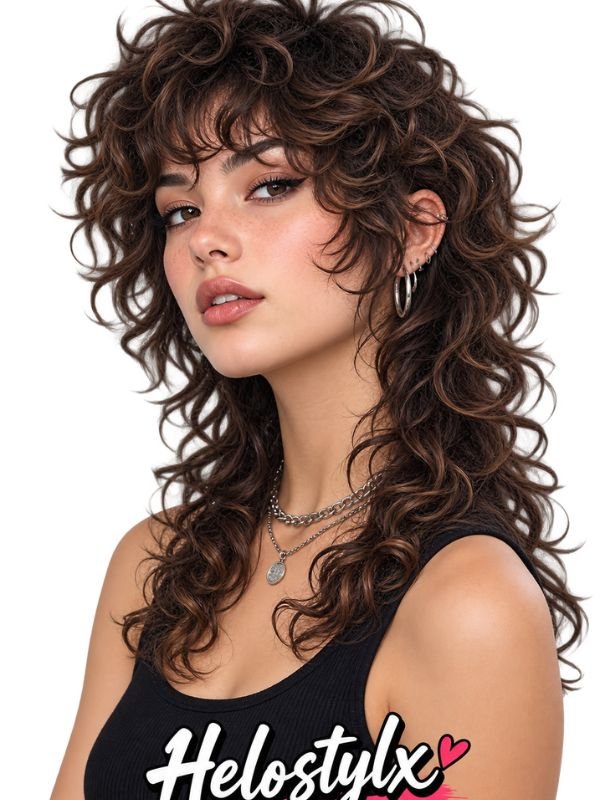
Curly mullets represent specialized interpretations designed specifically to celebrate and enhance natural curl patterns rather than fighting them. The curly mullet cutting technique approaches curly hair with understanding and respect for natural behavior patterns, utilizing layering that encourages curls to spring upward while maintaining mullet proportions. This style transforms curly hair from potentially challenging to style into a genuine asset, creating dimension and personality that straight-haired individuals often envy.
The curly mullet features careful layering that encourages shorter curls at the crown to develop height and bounce while longer curls in the back develop more elongated patterns. This gradient of curl sizes creates organic dimension and natural elegance. The sides typically incorporate tapers or fades that transition smoothly, preventing bulky densities that weigh down curls unnecessarily. Some curly mullet interpretations embrace disconnected sides for additional edge, while others prefer integrated fading for refined polish.
Styling curly mullets requires products and techniques designed specifically for curl enhancement. Curl-defining creams applied to damp hair encourage coil formation and separation. Diffuser-equipped blow-dryers dry hair while encouraging curl patterns rather than disrupting them. Some individuals prefer plopping techniques or air-drying, allowing natural patterns to dictate final appearance. The goal involves enhancing existing curls rather than imposing external shape, which differentiates curly mullet styling from approaches used for straight or wavy hair.
The curly mullet works beautifully for individuals blessed with naturally curly hair who’ve previously struggled with styling limitations. This style celebrates rather than camouflages natural texture, creating results that feel authentic and personality-forward. Maintenance involves regular deep conditioning to prevent dryness, careful trimming every six to eight weeks to maintain shape definition, and consistent curl-enhancing product usage.
This style particularly suits individuals with natural curls seeking genuine personality expression through their hairstyle. The curly mullet communicates confidence in natural appearance while demonstrating intentional styling choices. Professional environments increasingly celebrate curl-celebrating hairstyles, making curly mullets genuinely viable even in formal contexts.
The Layered Mullet
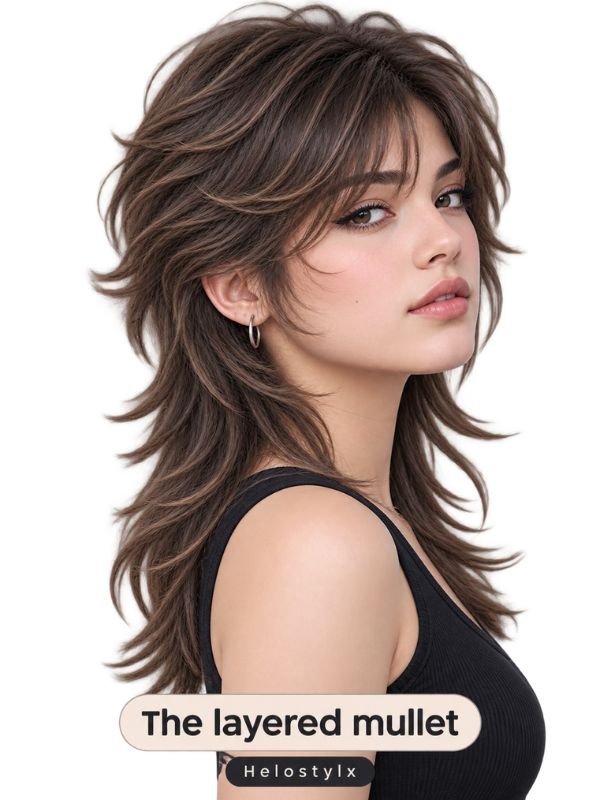
Layered mullets emphasize pronounced layering throughout, creating styles defined by dramatic texture and intentional dimension. While technically all modern mullets incorporate some layering, layered mullets take this element to extremes, creating visible separation between layers and deliberately choppy texture throughout. This approach prioritizes movement and personality over polish, resulting in hairstyles that appear dynamic from every angle.
The layered mullet features stacked layers at the crown that build dramatic height and volume. Layers progress through the top and front sections, creating visible texture and movement. Longer sections in the back incorporate layers that create feathering and flow rather than blunt density. The sides typically feature fade or taper work that complements the layered texture throughout. The fundamental principle involves creating visible separation between layers, preventing the unified density that simpler cuts maintain.
Layered mullets accommodate all hair textures, though they perform most dramatically on wavy and curly hair where natural patterns amplify the intentional layering. Straight-haired individuals benefit from the movement and dimensionality layers create, though they’ll invest slightly more styling effort than naturally textured counterparts. Fine hair particularly benefits from strategic layering that removes unnecessary weight while creating apparent fullness through visual texture.
Styling layered mullets emphasizes the texture and separation layers provide. Blow-drying with fingers rather than brushes encourages individual layer movement rather than creating uniform appearance. Texture products applied to dry hair enhance separation and prevent sections from collapsing together. Some individuals prefer product-free styling, allowing their hair’s inherent texture and the cut’s strategic layering to dictate appearance. This flexibility makes layered mullets remarkably adaptable to varying styling preferences and time commitments.
The layered mullet suits individuals who appreciate visible texture and personality-forward styling. The style works well in casual professional environments and creative industries where visual personality expression is celebrated. More conservative professional contexts might perceive extensive layering as excessively casual, so environmental consideration matters when committing to this approach.
The Blunt Bangs Mullet
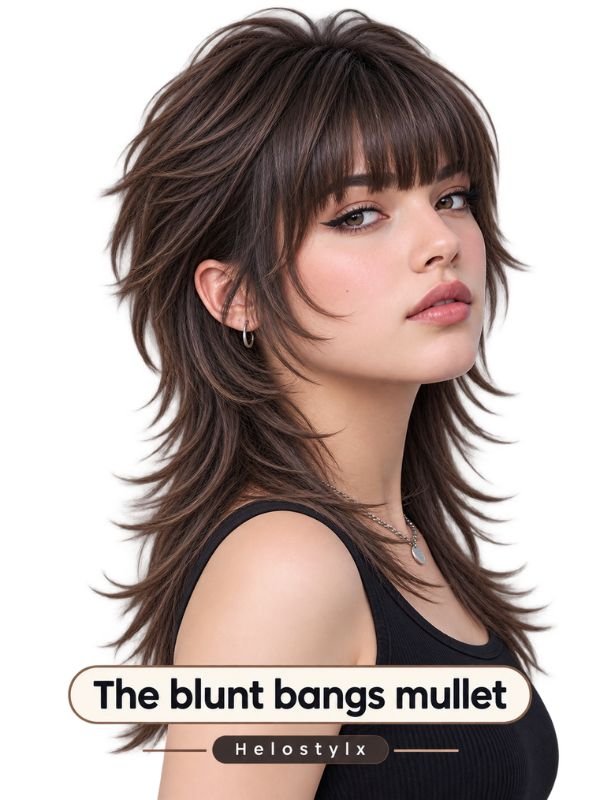
The blunt bangs mullet represents perhaps the boldest contemporary mullet interpretation, featuring precisely cut, straight-across fringe that creates dramatic contrast with the rest of the cut. This variant prioritizes edge and statement-making quality, creating visual impact through the aggressive geometry of blunt bangs positioned above or just at the eyebrow line. The remaining mullet sections maintain traditional proportions, with short sides and extended back length, but the blunt bangs create the defining visual element.
The blunt bangs mullet requires extraordinary precision in execution. The fringe must be cut perfectly straight across, creating a sharp line that defines the entire face. The angle and exact placement of this blunt line significantly impacts the overall aesthetic and facial balance. The remaining cut follows standard mullet proportions, with tapered or faded sides and extended back length. Some variations incorporate layers throughout the back while maintaining blunt front bangs, creating contrast between sharp geometry and softer texture.
Frequently Asked Questions
What is the easiest mullet style to maintain?
The feathered mullet and classic evolution are the easiest to maintain, requiring minimal daily styling and trims every 6-8 weeks to keep the soft edges looking fresh.
Can I get a mullet with curly hair?
Absolutely! Curly mullets are trending and showcase natural curl patterns beautifully. The curly mullet actually celebrates your natural texture rather than fighting against it.
How often should I get my mullet trimmed?
Most mullet styles require trims every 4-8 weeks depending on your specific style and how quickly your hair grows, with faded mullets needing more frequent maintenance for sharp definition.
Do mullets work in professional environments?
Yes! Modern mullets with clean fades and refined proportions work well in creative industries and contemporary workplaces. Classic and faded mullets are most professionally appropriate.
Conclusion
The mullet has evolved from a retro relic into a genuinely versatile contemporary hairstyle that appeals to diverse personalities and professional contexts. Whether you prefer the refined elegance of feathered styles, the dramatic texture of wolf cuts, or the bold statement of undercut variations, today’s mullet landscape offers authentic expressions that communicate confidence and individuality. Finding a skilled stylist experienced with modern mullet execution ensures your chosen style translates from inspiration photo to reality perfectly.
Taking the mullet plunge is about embracing your personal style and having the confidence to wear it authentically. With proper maintenance, appropriate styling techniques for your hair type, and the right cut for your face shape, a mullet becomes more than just a haircut—it becomes a statement of self-expression. The modern mullet has earned its rightful place as a legitimate, versatile hairstyle choice for anyone ready to step outside traditional boundaries and rock a look that’s undeniably theirs.
