

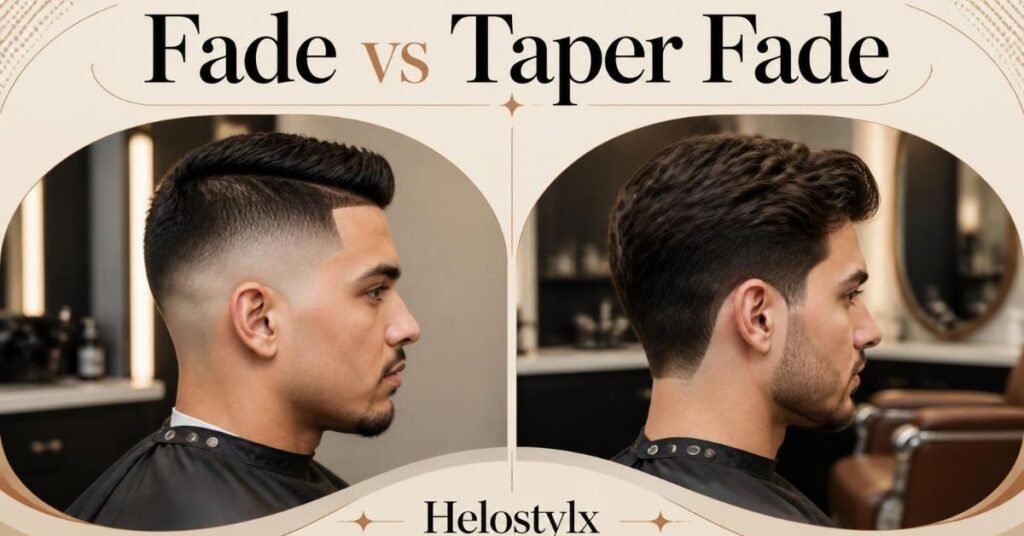
You sit down in the barber’s chair, and the question comes: “So, what are we doing today?” You say “a fade,” and the barber asks, “Taper or fade?” Suddenly you’re not sure there’s a difference.
There is one, and it matters. The fade vs taper fade decision changes how bold your haircut looks, how often you’ll need a touch-up, and how well the cut suits your hair and head shape. Pick right and you walk out looking sharp. Pick wrong and you might get a cut that feels too aggressive or too plain for your style.
This guide breaks down both cuts in plain language. You’ll learn what each one actually is, how the many variations work, which top styles pair best, and exactly what to say to your barber.
What Is the Difference Between a Taper and a Fade?
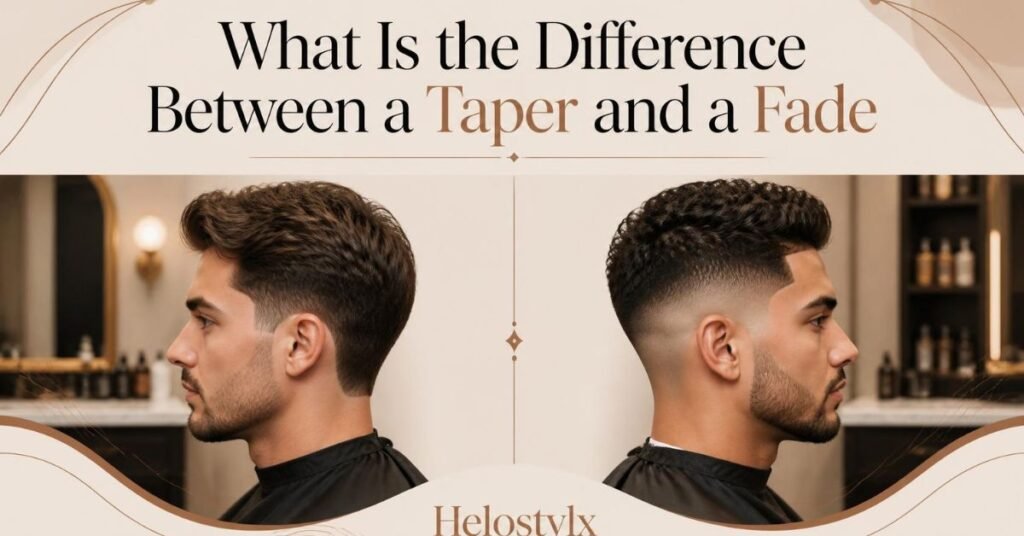
Both cuts shorten the hair gradually from top to bottom. That shared idea is why people mix them up. The difference comes down to how far the hair gets cut down and how much of the head is involved.
- A fade takes the hair down very short, often to bare skin, over a larger area of the sides and back. The result is a dramatic contrast between the longer top and the nearly bald sides.
- A taper shortens the hair more subtly, mostly around the sideburns, the ears, and the neckline. The length change is gentle, and the sides stay noticeably longer than in a fade.
Here’s a quick side-by-side:
| Feature | Fade | Taper |
| How short it goes | Very short, often to the skin | Short, but rarely bald |
| Area covered | Large part of sides and back | Sideburns, ears, neckline |
| Look | Bold, high-contrast | Subtle, classic |
| Maintenance | Every 2 to 3 weeks | Every 3 to 5 weeks |
| Best for | Modern, edgy, sharp styles | Professional, polished styles |
Think of it this way: a fade is a statement, while a taper is a refinement.
What Is a Taper Haircut?
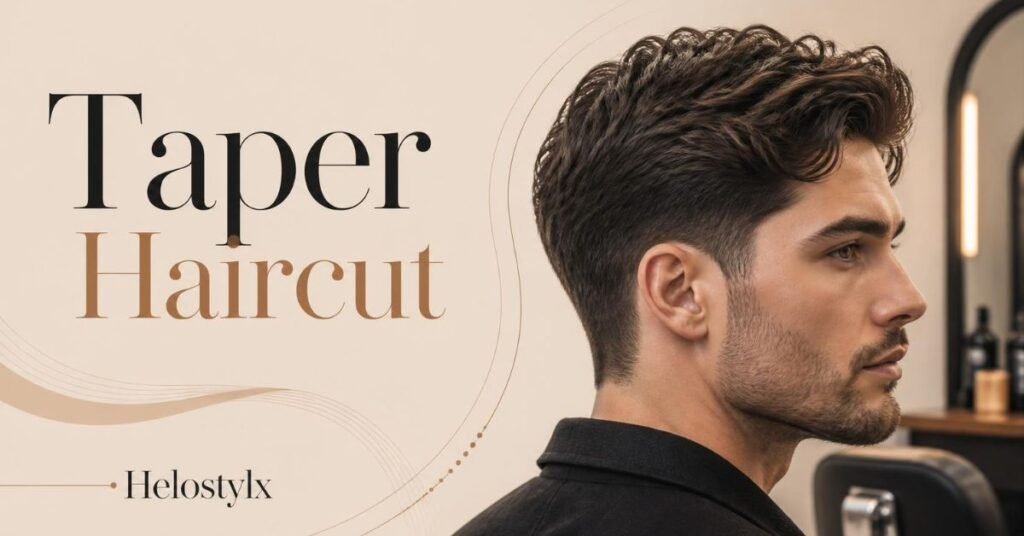
A taper is the classic way to clean up a haircut. The hair starts longer at the top and gets shorter as it approaches the neckline and around the ears. It never disappears into skin unless you ask for that.
Because the change in length is slow and soft, a taper looks natural and tidy. It’s the reason a business cut looks “finished” without looking styled.
Where a taper usually happens
- Around the ears
- Along the sideburns
- Across the nape of the neck
The rest of the sides and back keep their length. That makes a taper a versatile haircut that works in an office, at a wedding, and on a weekend hike.
Who tends to love a taper
- Men who want a neat cut but dislike bald-looking sides
- Professionals with conservative dress codes
- Anyone growing out a longer style who needs shape without drama
- People with thick hair who want to remove bulk gently rather than strip it down
What Is a Fade Haircut?
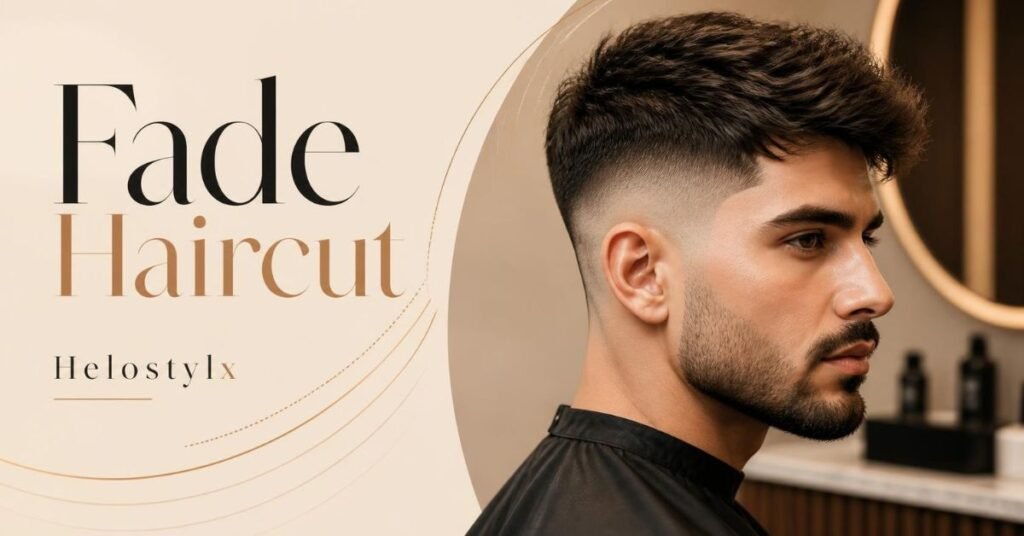
A fade is a blended haircut where the sides and back go from long to almost nothing in a smooth gradient. Barbers build it using clippers and guards, working up from the shortest setting and blending each level into the next.
The magic word is smooth transition. A well-done fade has no visible lines. The hair just seems to dissolve.
The main types of fades
Fades are named by where the shortest part starts:
- Low fade: begins just above the ears and follows the natural hairline. It’s the most conservative option.
- Mid fade: starts around the temple area, roughly halfway up the head. It’s the balanced choice.
- High fade: starts high, near the crown or upper temple. It creates the strongest contrast.
- Skin fade: goes down to bare skin at its shortest point. Any fade height can be a skin fade.
- Drop fade: curves down behind the ear, following the shape of the skull.
- Temple fade: focuses on the temple and sideburn area, often paired with a beard.
- Burst fade: curves around the ear in a semicircle, leaving length at the back. It’s popular with mohawks and mullets.
If you’ve ever heard someone describe a blurry fade, they mean a fade so softly blended that the gradient looks smudged in the best way.
Who tends to love a fade
- People who want a modern fade haircut with clear definition
- Anyone with a strong top style (quiff, pompadour, curls) who wants contrast
- Those who like a crisp, fresh look and don’t mind frequent barber visits
What Does “Taper Fade” Mean?
Here’s where the confusion peaks. A taper fade is a hybrid. It uses the gradual, gentle shortening of a taper but adds the fading technique to blend the length down more smoothly, usually around the ears and neckline.
In other words, it’s a fade that stays subtle. The sides don’t go bald. The hair shortens noticeably, but the transition stays soft.
That’s why the fade vs taper fade question comes up so often. A regular fade covers more ground and goes shorter. A taper fade keeps things tidy and restrained.
Taper fade types
Like regular fades, taper fades come in different heights:
- Low taper fade: the safest option. It cleans up the ears and neck with almost no risk of looking too short.
- Mid taper fade: slightly more visible, good for everyday wear.
- High taper fade: more dramatic, but still softer than a full high fade.
- Skin taper fade: goes to skin at the very edge of the hairline while keeping the rest longer.
- Drop taper fade: curves behind the ear for a shaped, modern look.
- Temple taper fade: tidies the temple and sideburn area only.
- Burst taper fade: a softer version of the burst, with extra length kept at the nape.
If you’re nervous about committing to a bold fade, the low taper fade is the easiest entry point.
Also Read This : Low Taper Fade With Design: 25 Fresh Styles for 2026
How Do Tapers and Fades Pair With Popular Top Styles?
The sides are only half the story. The top of your haircut decides how the whole thing reads. Here’s how the fade vs taper fade choice interacts with common styles.
Short crop or buzz on top
A fade gives a sharp, athletic look. A taper keeps it soft and low-effort. If you want a crisp cut with almost no styling, choose a mid fade or low taper fade.
Quiff and pompadour
These styles love dramatic contrast. A high fade or mid skin fade makes the height on top stand out. A taper works too, but the effect is quieter.
Textured crop and French crop
A mid fade balances the choppy texture on top. A taper fade keeps the look casual and current.
Curly hair
Curls look fantastic against a fade because the tight sides frame the volume. A low fade or drop fade works especially well. Tapers suit looser curls and waves.
Slick back
For a polished, formal feel, a low taper fade or classic taper is the cleaner match. A high fade can feel too edgy with slicked hair.
Long top and flow
If you’re keeping length, a taper is the friendlier choice. It removes bulk at the ears and neck without shocking the overall shape.
Beard pairing
A temple fade or skin taper fade blends into a beard beautifully. The gradient from scalp to beard should look continuous. Tell your barber you have a beard, and they’ll plan the blend accordingly.
Should You Choose a Taper or a Fade?
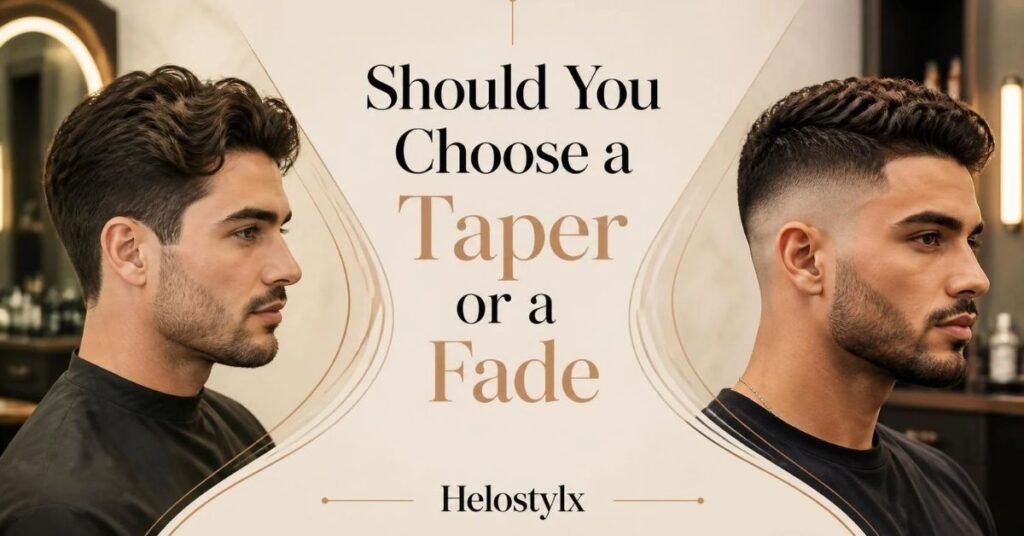
There’s no universal winner. The right choice depends on four things: your lifestyle, your hair, your head shape, and how much upkeep you’ll tolerate.
Choose a fade if:
- You want a sharp, bold, high-contrast look
- You’re comfortable visiting your barber every 2 to 3 weeks
- Your style leans modern or athletic
- You have a strong top style you want to showcase
Choose a taper if:
- You want a clean, professional look with low drama
- You prefer longer grow-out time between cuts
- You’re wary of very short sides
- Your workplace or personal taste is conservative
Choose a taper fade if:
- You want a bit of both worlds
- You like the polish of a fade but the softness of a taper
- You want a versatile haircut that works everywhere
Your head shape matters
The best haircut for different head shapes isn’t just about fashion. It’s about proportion.
- Round face: a mid or high fade adds height and slims the sides. Avoid very low fades that widen the look.
- Square face: a low or mid taper fade softens strong angles without hiding your jawline.
- Oval face: you’re the lucky one. Almost any fade or taper suits you.
- Long or narrow face: avoid high fades that draw the eye upward. Go for a low fade or taper to keep width at the sides.
- Uneven or prominent skull features: a taper is more forgiving than a skin fade, which shows every bump.
Your hair type matters too
Thick hair is heavy and grows outward quickly. A fade removes bulk efficiently and stops your hair from mushrooming at the sides. Fine or thinning hair often looks better with a taper, since skin-short sides can make the top look sparser.
Coarse and curly textures hold fades very well, which is why they’re a barbershop staple.
What Are the In-Between Options?
You don’t have to pick a hard side. Between a bold fade and a modest taper sits a whole range of cuts.
- Low taper fade: the most popular compromise. Neat neckline, minimal contrast.
- Mid taper fade: more definition than a low taper, still office-friendly.
- Blurry fade: a very soft, smudged blend that avoids visible lines.
- Classic taper with a light fade at the neck: old-school structure with a modern finish.
If you’re switching from a plain scissor cut to something sharper, start with a low taper fade. Next visit, you can go higher if you love it. Going shorter is easy. Growing back is not.
How Do You Ask a Barber for the Cut You Want?
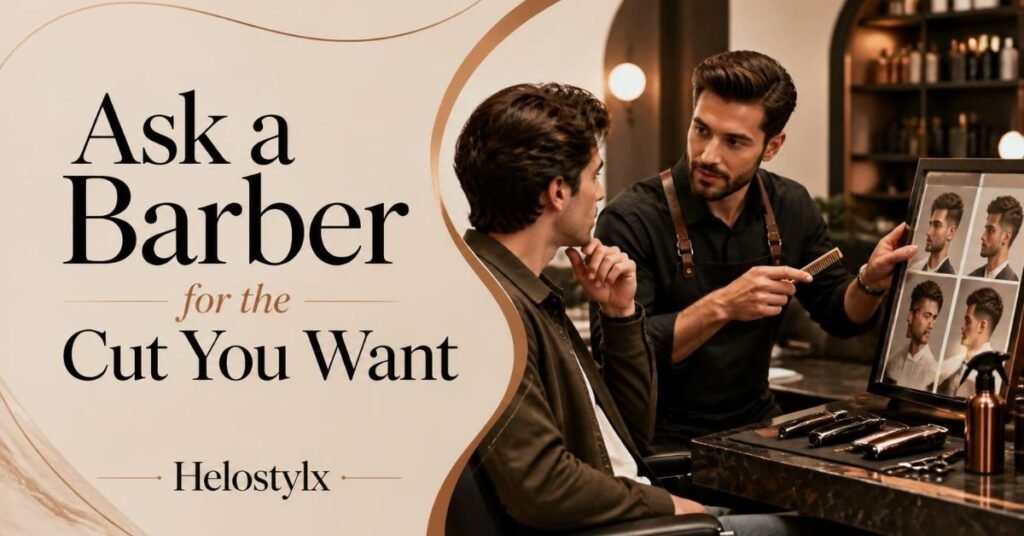
Barbers work with vocabulary, and vague words cause bad haircuts. Here’s how to get exactly what you want.
Step 1: Bring a photo
A picture removes guesswork. Show the front, side, and back if you can. Even better, show a picture of a person with similar hair type and head shape.
Step 2: Name the height
Use these words:
- “Low” for a fade that starts near the ears
- “Mid” for around the temples
- “High” for a bold, near-crown start
Step 3: Specify how short
Say “skin” if you want it down to bare skin. Say “a number two guard at the shortest” if you want some length left. Guard numbers matter.
Step 4: Describe the top
Tell them how long you want the top and how you style it. The sides should match your top style.
Sample scripts you can use
- “I’d like a low taper fade, keeping the sides a number two at the shortest, with two inches on top.”
- “Can I get a mid skin fade with a textured crop on top?”
- “I want a drop taper fade that blends into my beard.”
What Are the Drawbacks and Edge Cases?
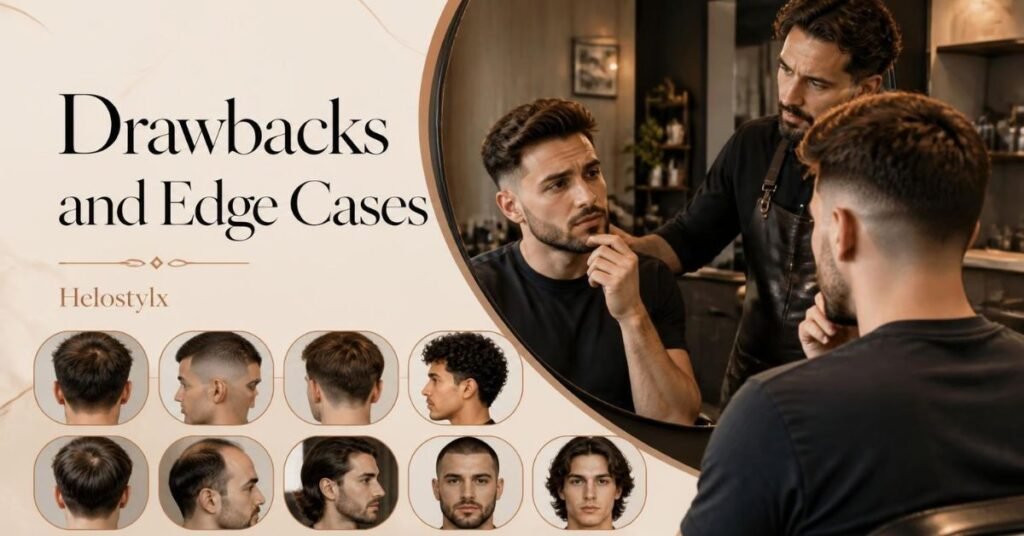
Both cuts look great, but neither is perfect. Here’s what to know before you commit.
Fade drawbacks
- High upkeep: the sharp gradient fades out quickly. Expect visits every 2 to 3 weeks to keep it crisp.
- Less forgiving: a poorly blended fade shows patches and lines immediately.
- Scalp visibility: skin fades highlight scars, birthmarks, and uneven skin tone.
Taper drawbacks
- Less contrast: if you want a bold look, a taper may feel plain.
- Growing out looks messy: the longer sides can look untidy past four weeks.
- Bulk stays: on very thick hair, a taper might not remove enough weight.
Edge cases worth knowing
- Receding hairline: a taper or low fade avoids drawing attention to the hairline. A high skin fade can highlight it.
- Thin hair on top: avoid ultra-short sides that increase contrast against sparse hair.
- Very curly hair: ask a barber experienced with your texture. Curly hair blends differently.
- Dress codes: some schools, military settings, or workplaces have hair rules. Check first.
How Fast Do Tapers and Fades Grow Out?
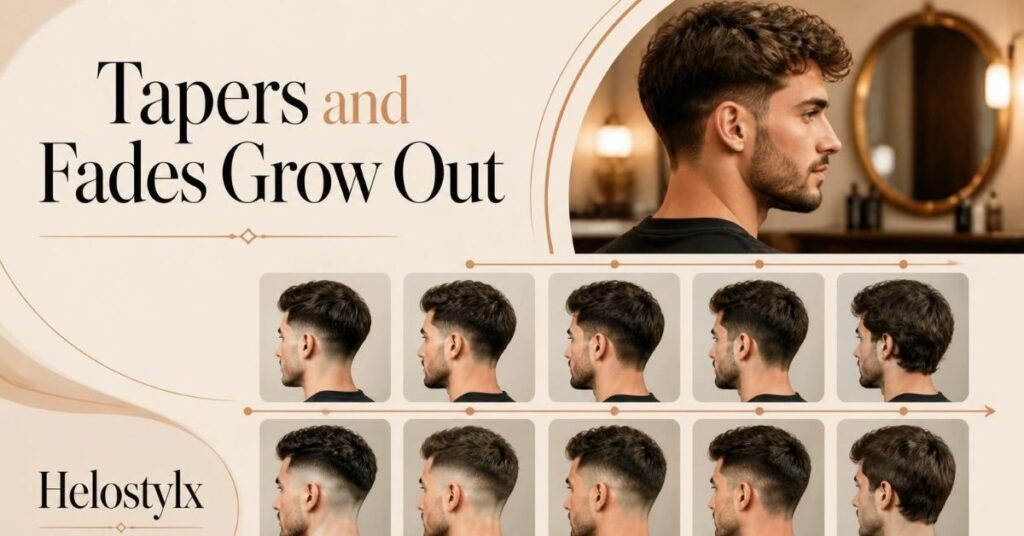
Hair grows about half an inch per month on average. That small number changes how each cut ages.
Fade timeline
- Week 1 to 2: crisp and sharp, exactly as the barber left it.
- Week 2 to 3: the gradient starts softening and the sides look fuzzy.
- Week 3 to 4: the fade line is gone and the cut looks grown out.
A skin fade grows out fastest because bare skin quickly shows stubble. A low fade looks better longer than a high fade because the contrast is smaller.
Taper timeline
- Week 1 to 3: clean and neat.
- Week 3 to 5: still respectable, with a slightly fuller neckline.
- Week 5 to 6: definitely due for a cleanup.
Tapers are the better choice if you can’t get to a barber often.
Fade vs Taper Fade: The Final Word
The best choice comes down to how bold you want to be and how much maintenance you can handle.
Go with a fade for a sharp, high-contrast, modern statement. Choose a taper for a soft, classic, low-fuss look. Pick a taper fade if you want to sit comfortably in the middle. When in doubt, a low taper fade is the safest starting point, and you can always go higher on your next visit.
Whichever way you land in the fade vs taper fade debate, remember that the barber matters as much as the cut. Find someone who listens, bring a photo, and speak up about what you like.
Frequently Asked Questions
What is the main difference in fade vs taper fade?
A fade goes very short, often to skin, over a larger area, while a taper fade shortens hair gently around the ears and neckline.
Is a taper fade better for thick hair?
A fade removes more bulk, while a taper fade thins thick hair more subtly, so a mid fade or mid taper fade balances both.
How often should I get a fade or taper fade?
Fades stay sharp for two to three weeks, while taper fades last three to five weeks.
Which haircut is best for different head shapes?
Round faces suit mid or high fades, square faces suit low or mid taper fades, and long faces suit low fades or tapers.
