
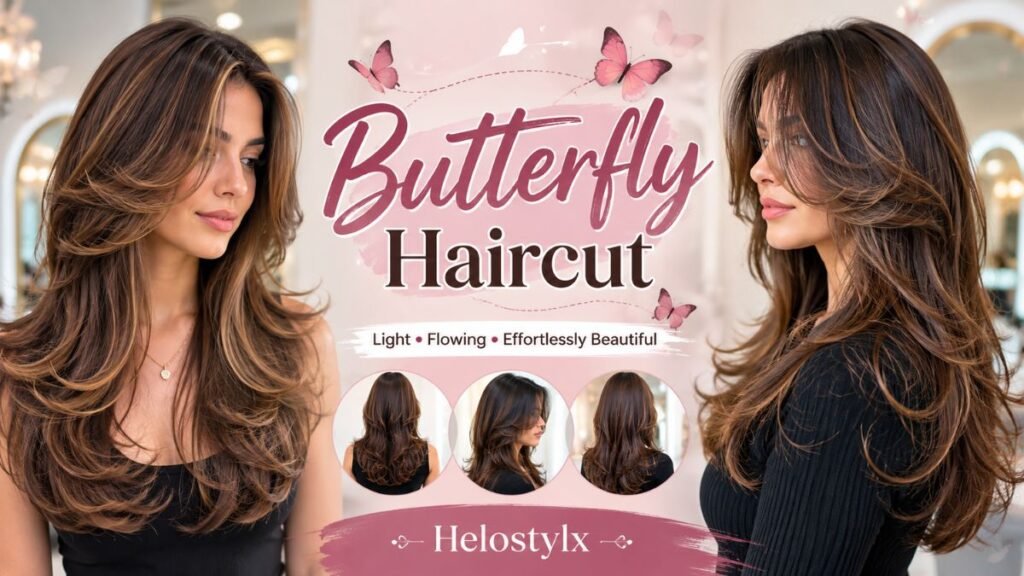
If you’ve been scrolling through hair inspiration and keep landing on soft, face-framing layers that move like wings, you’ve found the butterfly haircut. It’s one of the most requested cuts in salons right now, and one of the first questions people ask before booking is simple: does this haircut actually need styling, or does it work straight out of the shower?
The honest answer is both. A butterfly haircut is built to look effortless on wash-and-go days, but a little styling knowledge unlocks its full shape, volume, and movement. This guide walks through when you can skip the styling tools entirely, when a few minutes of effort makes a real difference, and exactly what to ask your hairstylist so the cut works with your hair type and face shape from day one.
What is a Butterfly Haircut?
A butterfly haircut is a heavily layered style built around short, voluminous layers at the crown that gradually lengthen toward the ends, creating a silhouette that fans out like butterfly wings when the hair moves. It’s essentially a modern evolution of shag and feathered cuts, but with more deliberate layering around the face and a rounder, softer shape overall.
The defining feature is contrast: short layers up top add lift and movement, while the length is preserved at the bottom so you don’t lose overall volume or the ability to tie your hair back. This makes it different from a standard long layered cut, which tends to distribute layers more evenly throughout the length.
Because the layering is so structural, the cut itself does a lot of the visual work. That’s part of why it’s become such a popular low-effort, high-impact choice — the shape is baked into the haircut rather than relying entirely on daily styling.
The Natural Charm of the Butterfly Haircut
One of the biggest draws of this cut is how good it looks with minimal effort. The internal layering creates natural separation and texture, so hair that air-dries tends to fall into soft pieces rather than one heavy sheet.
This is a real advantage over blunt, one-length cuts, which often look flat or require more work to create movement. With a butterfly cut, the movement is already part of the architecture.
That said, “low maintenance” doesn’t mean “no maintenance.” The natural charm depends on the layers being cut correctly for your hair texture and density in the first place — and on knowing a few small habits that help the shape hold up between salon visits.
When to Embrace the Natural, No-Style Look
There are plenty of situations where skipping styling tools entirely is not just acceptable but ideal for a butterfly haircut.
For diverse face shapes and hair textures.
Because the layering is customizable at the cutting stage, many people find their butterfly cut already flatters their face shape and works with their natural texture without extra intervention.
On low-maintenance days.
If you’re not heat-styling, the layers still provide shape. Applying a lightweight curl cream or texturizing spray to damp hair and letting it air-dry is often enough to see the wing-like movement the cut is known for.
During busy schedules.
Mornings when there’s no time for a blow-dry are exactly when this cut earns its reputation. A quick finger-comb, a spritz of texture spray, and you’re done.
For hair health recovery.
If you’re growing out damage, recovering from over-processing, or simply giving your hair a break from heat tools, the butterfly cut’s built-in shape means you don’t have to rely on styling to look put-together.
In varied weather conditions.
Humidity and wind can undo a carefully styled look fast. The looser, layered nature of a butterfly cut tends to handle humidity more gracefully than sleek, uniform styles, since a bit of natural texture is part of the intended look rather than a flaw to fight against.
How Your Hair Type Affects Butterfly Haircut Styling
Hair type has more influence over how much styling a butterfly cut needs than almost any other factor. Here’s a general breakdown:
| Hair Type | Natural Look | Styling Needed | Best Approach |
| Straight, fine | Can look flat without lift | Light styling recommended | Volumizing mousse + diffuser or round brush |
| Straight, thick | Holds shape well air-dried | Minimal | Texture spray, occasional face-framing curls |
| Wavy | Naturally shows off layers | Minimal to occasional | Curl cream scrunched in while damp |
| Curly | Layers add bounce and shape | Minimal, but needs curl care | Leave-in conditioner + diffusing |
| Coily | Layers reduce bulk, add shape | Depends on desired definition | Moisture-rich creams, twist-outs, or braid-outs |
Fine, straight hair tends to benefit most from a little styling help, because without some lift the layers can lie flatter than intended. Curly and coily hair, on the other hand, often reveal the butterfly shape beautifully with just air-drying, since the natural curl pattern does the volumizing work on its own.
Hair density matters too. Thicker hair holds the wing-like silhouette with less effort, while thinner hair may need a root-lifting product or a quick blow-dry with a round brush to prevent the layers from looking sparse.
Porosity is worth considering as well, especially if you color-treat your hair. High-porosity hair tends to absorb product quickly but can also dry out and frizz faster, so lightweight leave-in creams generally work better than heavy oils on the shorter, more exposed crown layers. Low-porosity hair, on the other hand, can feel weighed down by rich products, so a lighter mousse or texture spray usually gives better lift without buildup.
Age and hair changes over time also play a role in how much styling a butterfly cut needs. As hair thins or texture shifts, the same layering that once looked effortless may need a bit more root support to maintain its original volume. This isn’t a reason to avoid the cut — it simply means the styling routine may evolve alongside your hair.
When Styling Enhances the Butterfly Haircut
While the natural look works for everyday wear, there are clear situations where a bit of styling takes the cut from good to genuinely striking.
For diverse hair types and textures.
Straight hair especially benefits from some heat styling to encourage the layers to separate and flip outward the way they’re designed to.
Styling for different hair lengths and accentuating your face shape
(covered in detail below) both rely on targeted styling choices rather than a one-size-fits-all routine.
To add volume and definition.
A round brush blowout or loose curls with a 1-inch barrel iron can dramatically increase the visible “wing” effect, especially at the crown and around the face.
On special occasions and events.
For weddings, parties, or photos, most people want more polish than an air-dried look provides. Soft curls, a middle or side part change, or a half-up style can elevate the cut significantly.
Transitioning looks from day to night. A quick change — adding a curl to the face-framing pieces, switching your part, or clipping back the top layers — can shift the whole look without a full restyle.
Incorporating stylish accessories. Butterfly cuts pair well with clips, headbands, and claw clips, since the shorter layers around the crown give accessories something to anchor to.
Adapting to seasonal styles. In colder months, a sleeker blowout with subtle waves can feel more polished; in summer, scrunched texture with sea-salt spray leans into the cut’s breezy character.
Styling for Different Hair Lengths
Butterfly cuts work on a wide range of lengths, but the styling approach shifts depending on where your length sits.
Shoulder-length butterfly cuts
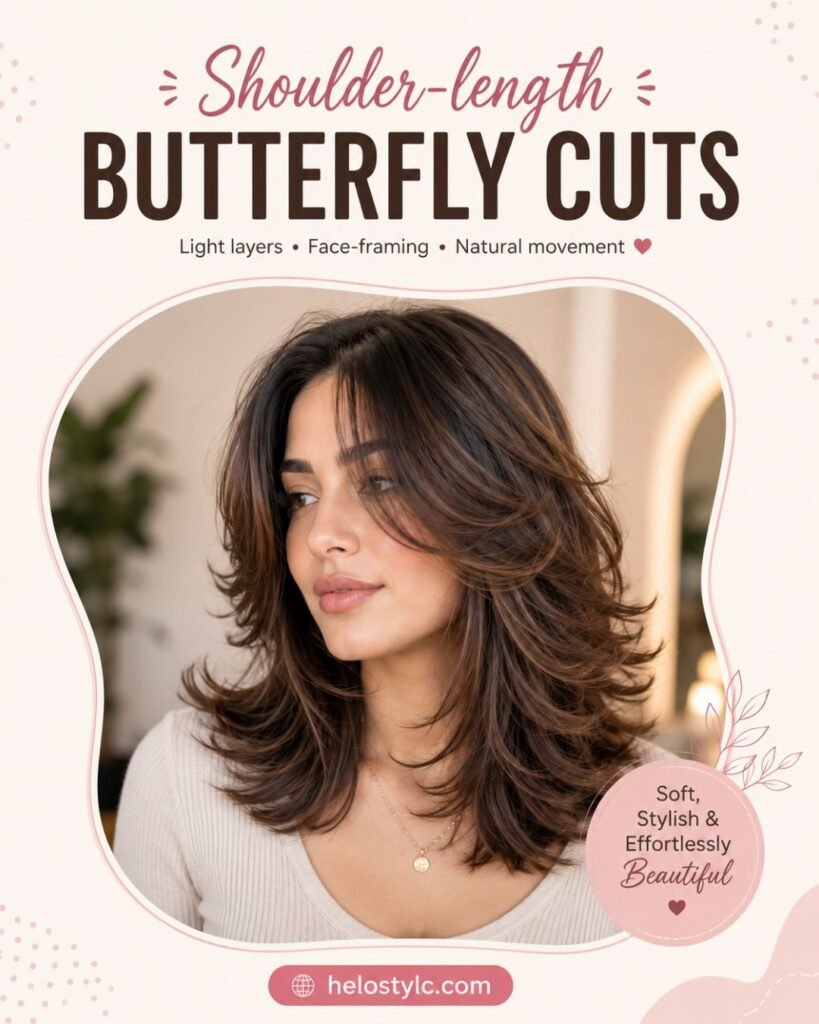
tend to show the layering most dramatically, since the shorter top layers and longer bottom layers create the biggest visible contrast. A texturizing spray and a light scrunch is often all that’s needed.
Mid-back length butterfly cuts
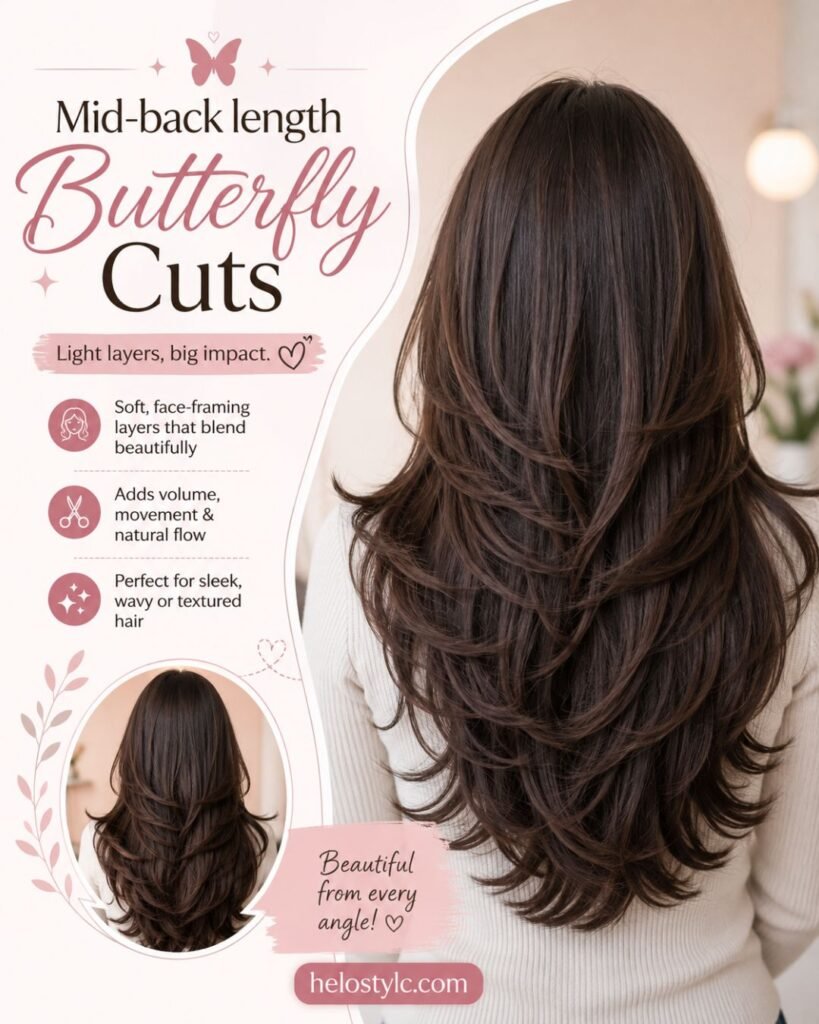
keep more overall length while still layering the top section for movement. These usually need a bit more encouragement — a round brush or loose curls — to keep the shorter layers from getting lost in all that length.
Long, past-the-bra-strap butterfly cuts
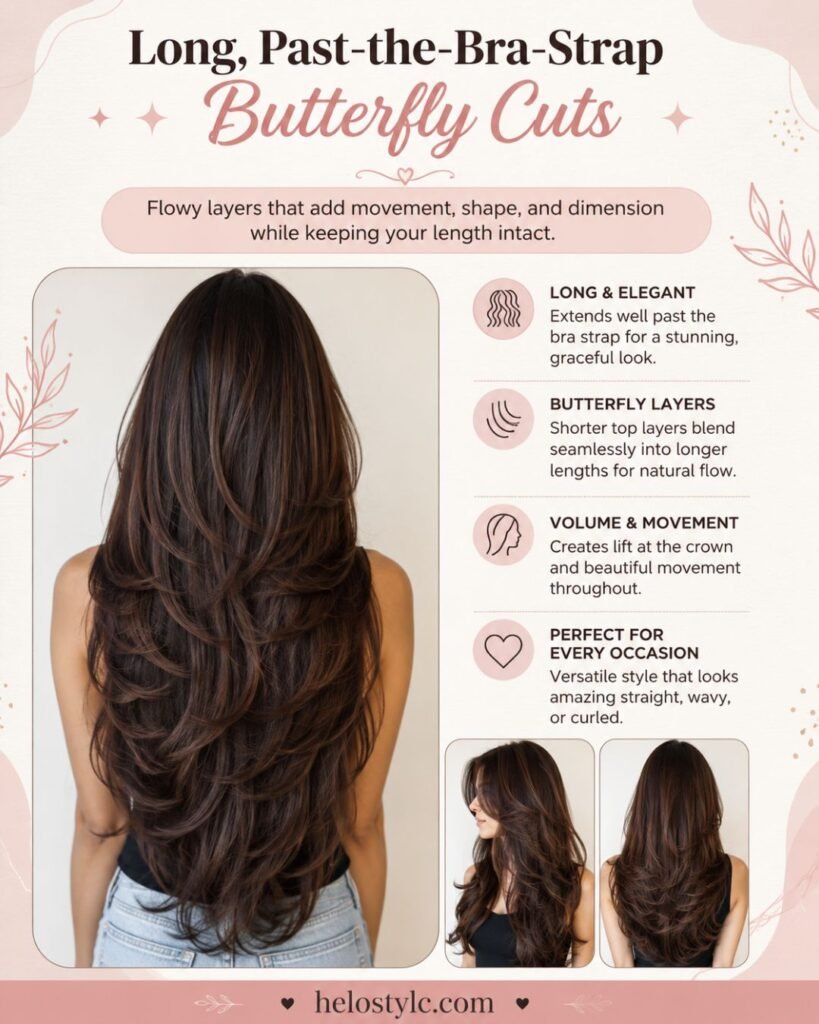
rely heavily on styling to show off the layering, since gravity pulls straight, heavy hair down. Curling the money pieces around the face and adding volume at the crown makes the biggest difference here.
As a general rule: the longer your hair, the more styling effort is usually needed to reveal the “wings,” because length adds weight that can pull layers flatter.
Accentuating Your Face Shape
Face shape is one of the most searched considerations for this cut, and for good reason — the placement of the shortest layers can be adjusted to flatter almost any face shape.
- Round faces:
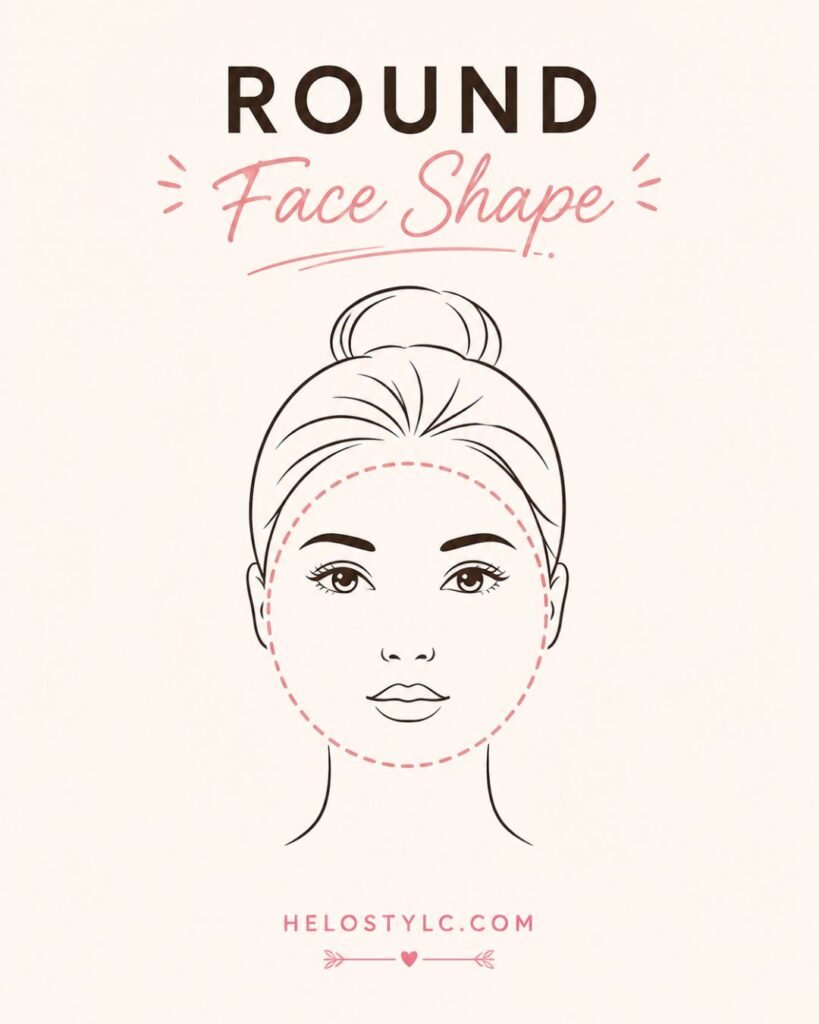
Layers that start around cheekbone level help elongate the face and avoid adding width.
- Square faces:
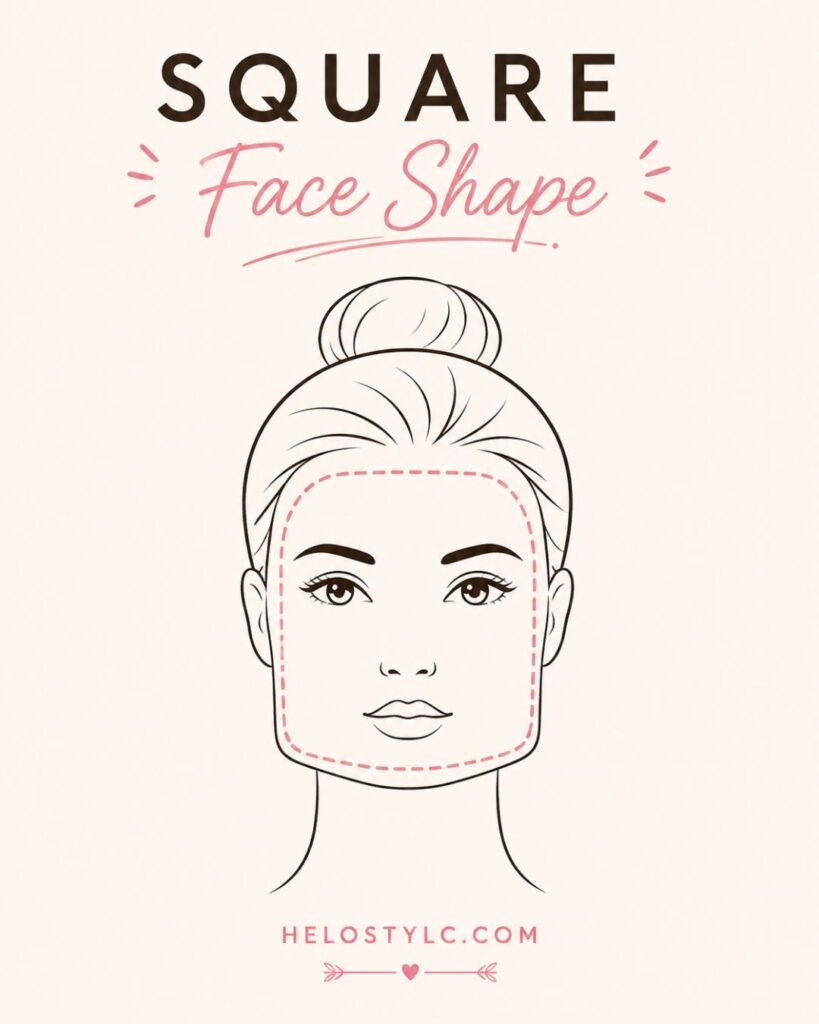
Softer, wispy face-framing pieces soften strong jawlines.
- Oval faces:
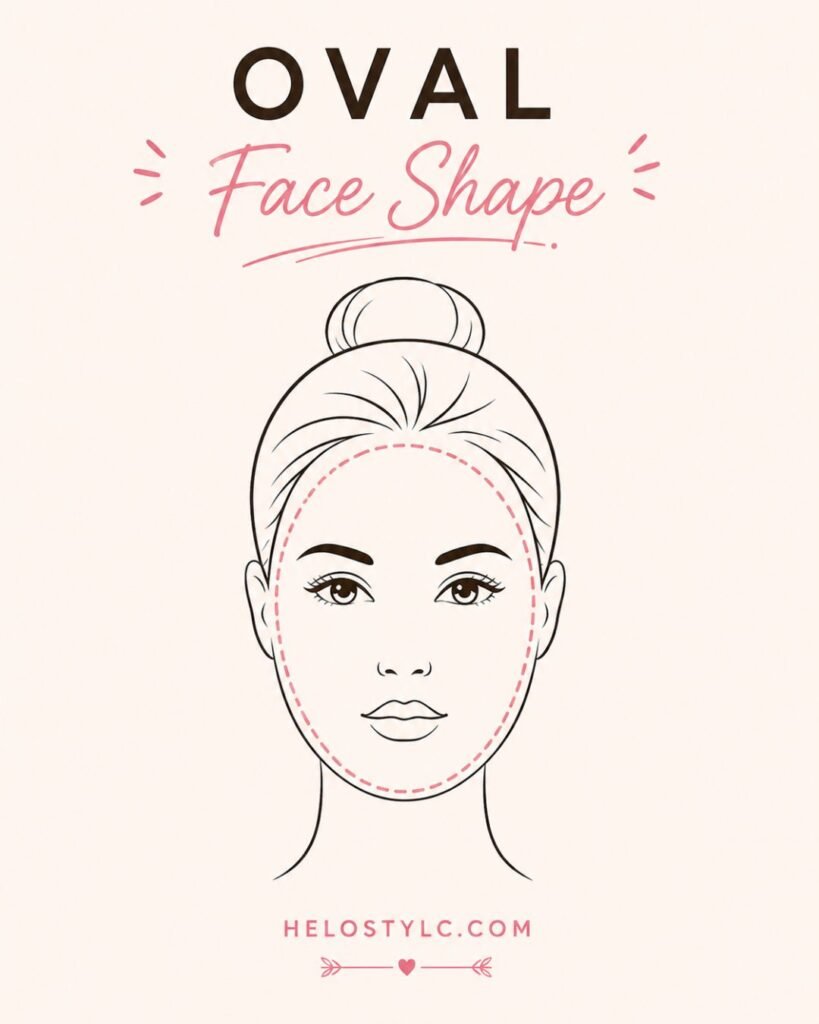
Considered the most versatile match, since nearly any layer placement works well.
- Heart-shaped faces:
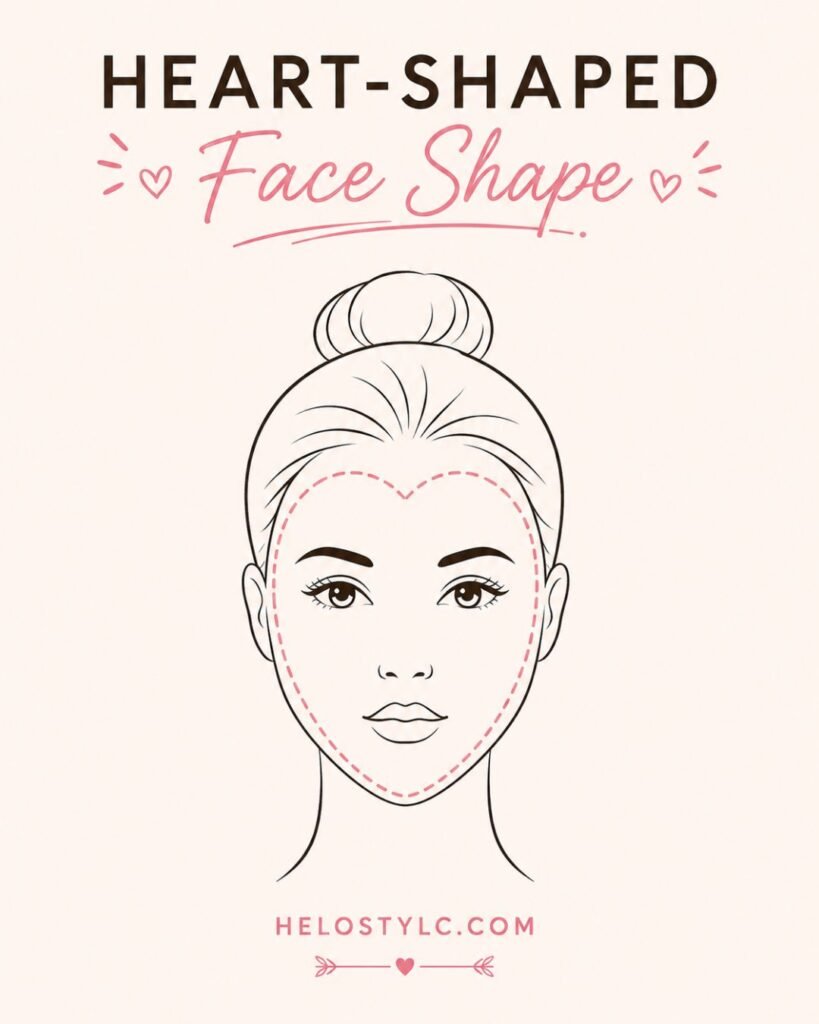
Layers that add width near the jaw help balance a narrower chin.
- Long faces:
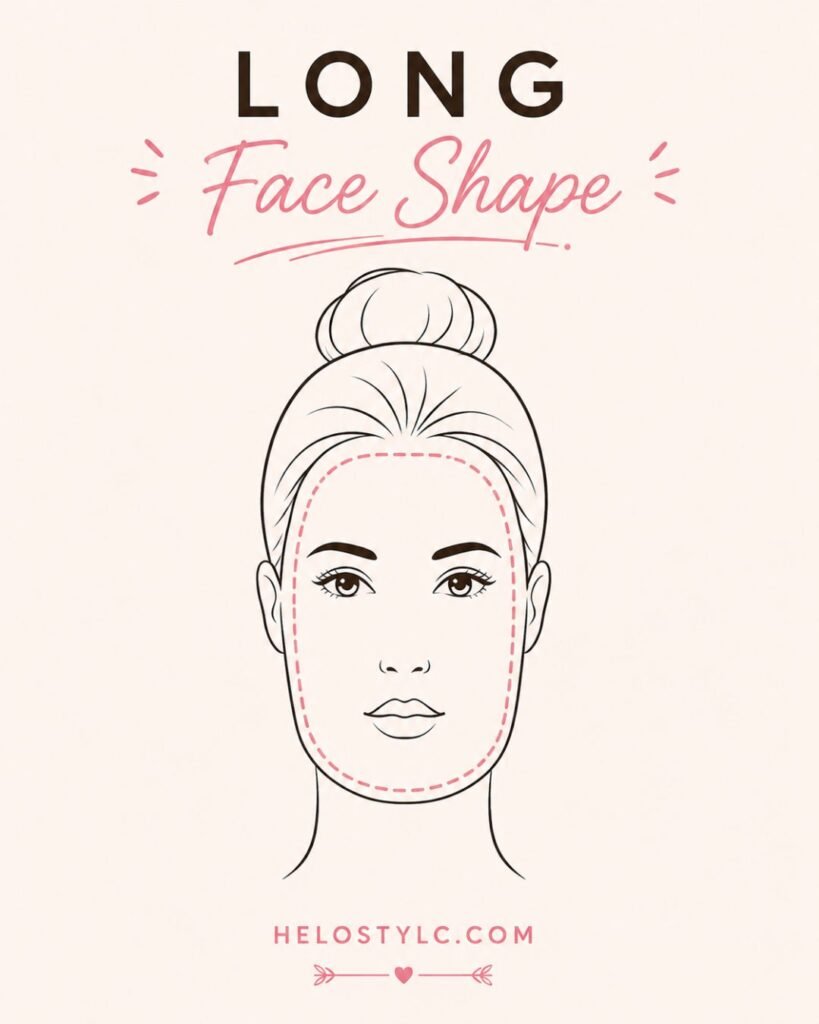
Layers with more volume at the sides (rather than height at the crown) help create width and shorten visual length.
Styling can reinforce these effects. For example, curling face-framing layers inward tends to soften angular features, while curling them outward can add width where it’s wanted.
Who Does the Butterfly Haircut Suit?
The butterfly cut is genuinely versatile, but it tends to work best for people who have at least medium hair density and some existing texture or wave, since these features make the layering most visible.
It’s also a strong option for anyone wanting to add movement to one-length hair that’s started to feel heavy or flat, or for those growing out a shorter cut who want shape during the in-between stage.
It’s less ideal for those who want to keep maximum length and fullness with zero layering, or for very fine, thin hair without any texture, where the shortest layers can occasionally look sparse rather than voluminous unless cut carefully and maintained with volumizing products.
Also Read This : What Is a Shag Haircut? A Complete Styling Guide
So, Do You Need to Style a Butterfly Haircut?
Here’s the direct answer: you don’t need to style a butterfly haircut for it to look intentional, but styling significantly expands what the cut can do.
Air-drying or a quick texture-spray finish works well for casual, everyday wear, especially if you have naturally wavy, curly, or thick hair. The layers are cut to move and separate on their own.
Where styling becomes genuinely useful is when you want more volume, a more polished finish for an event, or you want to actively shape the layers to flatter your specific face shape rather than letting them fall wherever gravity takes them. Think of styling as optional enhancement rather than a requirement — the cut is designed to look good either way.
What Should You Ask Your Hairstylist for a Butterfly Cut?
Getting the right butterfly haircut starts well before the scissors come out. A clear conversation with your stylist makes the difference between a cut that suits your hair and one that fights it.
Bring reference photos, but choose ones with hair texture and length similar to yours — a butterfly cut on straight, fine hair looks noticeably different from the same cut on thick, curly hair, so a photo match in texture matters more than most people expect.
Useful questions and details to share include:
- “How short should the shortest layers be for my face shape and hair density?”
- “Will this cut work with my natural texture, or will I need to style it most days?”
- “How much length will I lose overall?”
- “Can we keep more weight at the bottom so I can still tie my hair back easily?”
- Mention your current styling habits (heat-styling daily, air-drying only, etc.) so your stylist can tailor the layering accordingly.
- Mention your hair’s condition, including any recent color, chemical treatments, or damage, since a heavily layered cut may need adjusting around already-fragile ends.
A good stylist will also assess your part pattern, cowlicks, and hair growth direction, all of which influence exactly where the shortest layers should be placed.
It also helps to have a realistic conversation about your daily routine before the appointment. If you know you’ll rarely reach for a curling iron, say so — your stylist can cut the layers slightly longer or place the shortest pieces further back from the face so the shape still reads well without daily styling. If you love experimenting with heat tools and want a dramatic wing effect for special occasions, that’s worth mentioning too, since it may mean shorter, more pronounced layering at the crown.
Finally, don’t be afraid to ask for a mid-appointment check-in. Many stylists will pause partway through cutting the shortest layers to show you the emerging shape, which gives you a chance to request adjustments — a little shorter for more movement, or a little longer for a subtler effect — before the cut is finished.
Quick Styling Tips for a Butterfly Haircut
- Apply product to damp hair, not dry hair. Curl creams, mousses, and texture sprays work best distributed before the hair fully dries.
- Use a diffuser for wavy or curly textures to encourage natural movement without frizz.
- Round-brush blow-dry for straight hair if you want lift at the crown and gentle flip at the ends.
- Curl away from the face for a softening effect, or toward the face for a more editorial, dramatic look.
- Dry shampoo isn’t just for oil control — a light spritz at the roots on day two or three can help revive lift in the crown layers.
- Keep heat tools on a moderate setting (around 300–350°F for most hair types) to protect the shorter, more exposed layers from excess damage.
- Finish with a light-hold texture spray, not a heavy-hold hairspray, to keep the movement soft rather than stiff.
Common Styling Mistakes to Avoid
Even a well-cut butterfly haircut can look off if it’s styled the wrong way. Watch out for:
- Over-brushing after curling, which can pull out the shape you just created. Finger-comb instead once curls have cooled.
- Using too much heavy product, which weighs down the shorter layers and flattens the volume the cut relies on.
- Ignoring the crown layers, since these are what create the signature lift — skipping them in your routine can make the cut look more like a standard layered style.
- Curling every section the same direction, which can look uniform and stiff rather than natural. Alternating direction slightly creates more realistic movement.
- Skipping heat protectant on the shortest layers, which are often the most processed or previously damaged section of hair.
Maintenance and Trim Schedule
Because the shape depends on layer placement, butterfly cuts need slightly more frequent trims than a one-length cut to keep their structure. Most hairstylists recommend a trim every 6 to 8 weeks to maintain the shortest layers and prevent the overall shape from growing out and losing definition.
Between appointments, a lightweight leave-in conditioner or hair oil applied to the ends helps prevent the more exposed shorter layers from becoming dry or frizzy, since they’re more prone to friction from clothing, wind, and repeated styling.
If you’re not ready for frequent salon visits, ask your stylist about a slightly longer initial layering that grows out more gracefully, even though it means a subtler wing effect at first.
FAQs
Does a butterfly haircut work on curly hair?
Yes. Curly hair often shows off the layering beautifully, since the natural curl pattern adds volume and separation without extra styling effort.
Can I still put my hair up with a butterfly cut?
Yes, though the shorter face-framing layers may fall out of an updo or ponytail. Many people leave a few pieces down intentionally as part of the style.
How long does it take to grow out a butterfly haircut?
Growing out the shortest layers to blend with the rest typically takes 6 to 12 months, depending on your hair’s growth rate and how much contrast was originally cut in.
Is a butterfly haircut high maintenance?
It’s moderate. Daily styling isn’t required, but regular trims (every 6–8 weeks) are important to keep the layered shape intact.
Will a butterfly cut work with bangs?
Yes, and it’s a popular combination. Curtain bangs in particular blend naturally with the face-framing layers already built into the cut.
Conclusion
A butterfly haircut is designed to give you the best of both worlds: a shape that looks intentional straight out of the shower, and a structure that rewards a little styling effort when you want more polish or drama. Whether you lean into the natural, air-dried version or reach for a round brush and curling iron, the layering does most of the heavy lifting either way.
The real key to loving your butterfly haircut long-term is a good initial consultation — one where your hairstylist accounts for your hair type, density, and face shape — paired with a consistent trim schedule. Get that foundation right, and this haircut will keep moving, flattering, and framing your face whether you style it daily or barely touch it at all.
