

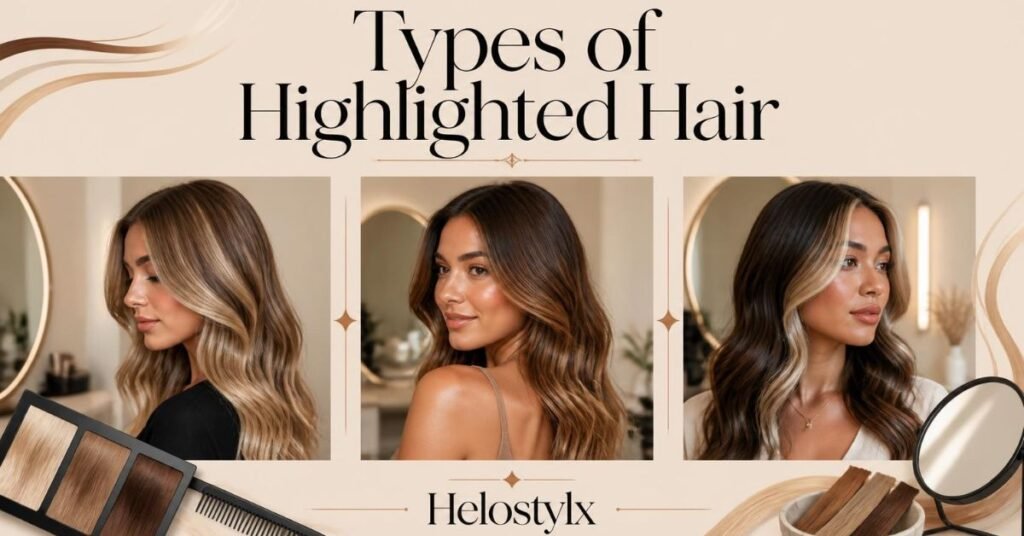
Highlighted hair is one of the few color services that works on almost everyone. It adds light, movement, and depth without forcing you into a single flat shade. A good set of highlights can make fine hair look fuller, brighten a tired complexion, and soften the line of regrowth between salon visits.
The trouble is that “highlights” is a huge umbrella. Ask five stylists and you may hear five different terms.
This guide fixes that. Below you’ll find 15 types of highlighted hair, what each one looks like, who it suits, how much upkeep it needs, and what to ask your colorist. Pick the look that fits your hair, your lifestyle, and your patience for salon appointments.
What Are Highlights? Understanding the Types of Highlights
Highlights are sections of hair that are lightened, or colored, to be a different shade from your natural color or your base color. Your stylist typically weaves or paints out thin sections, applies lightener or color, and processes it until the right tone appears.
Every type of highlight comes down to four decisions:
- Placement: all over, only around the face, or hidden underneath
- Thickness: wispy strands or bold, chunky pieces
- Contrast: how far the highlight sits from your base color
- Technique: foils, hand-painting, or a combination
Change any one of these and you get a different look. Keep that in mind as you read through the list.
1. Full Highlights
Best for: people who want a bright, all-over change
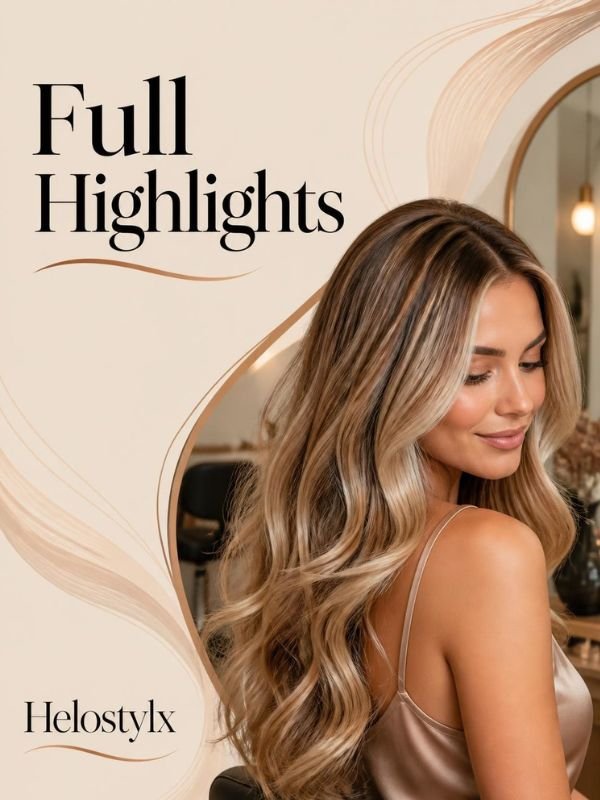
Full highlights cover the entire head, from the front hairline to the nape. Your stylist weaves fine sections throughout the top, sides, and back, so the lightness looks even.
Why people love them:
- They deliver the biggest visual impact of any highlight service.
- They blend gray or regrowth evenly across the head.
What to know: Full highlights take the longest to do and usually cost the most. Expect roughly three to four hours in the chair, depending on thickness and length. Because every strand is lightened, highlighted hair needs regular toning and a purple or blue shampoo help keep the shade from turning brassy.
Upkeep: Plan a touch-up every 8 to 12 weeks, or ask for a softer root blend to stretch the time.
2. Partial Highlights: A Smarter Way to Wear Highlighted Hair
Best for: people who want brightness without the full commitment
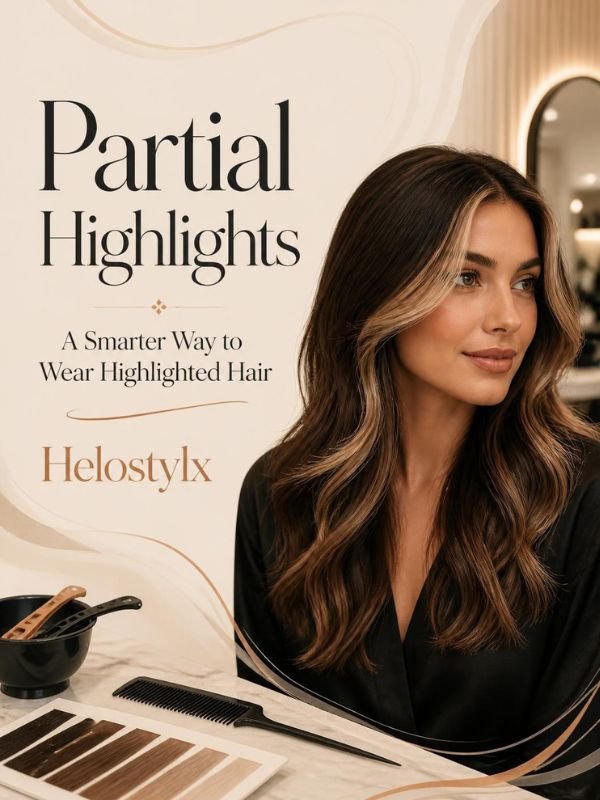
Partial highlights give you highlighted hair where it shows most: they lighten only the top layer and the hair around your face. The back and underside stay untouched. You still get glow where it counts, because that’s the hair people see most.
Why they work:
- They create a gentler contrast with your base color.
What to know: If your hair is very thick, partial highlights may look patchy because the untouched layers underneath outweigh the lightened top. In that case, ask for a “modified” or three-quarter highlight, which adds a few extra pieces at the sides and back.
3. Dimensional Highlights
Best for: anyone chasing depth instead of a single bright shade
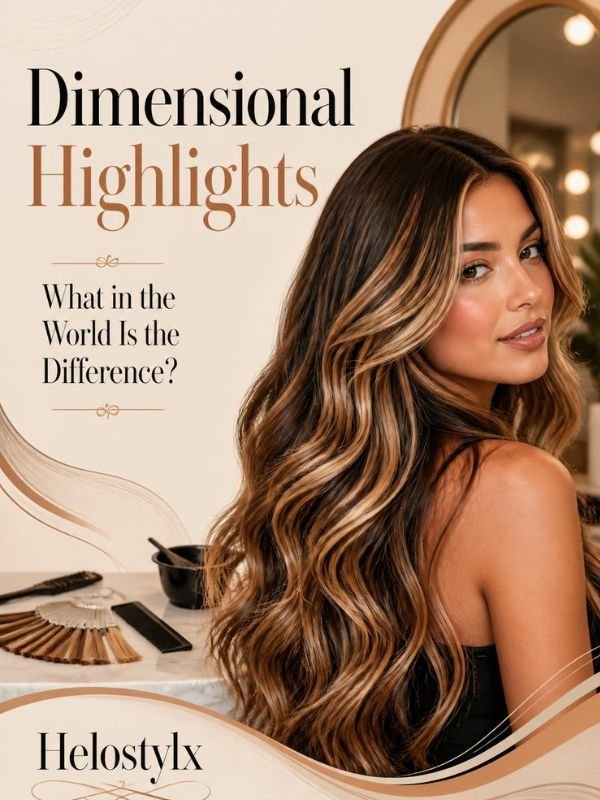
Dimensional highlights use more than one shade. Your colorist might combine a light golden blonde, a soft honey, and a deeper tone, all placed at different spots. The result looks like hair that’s been kissed by the sun in many different ways.
Why they work:
- They flatter nearly every skin tone because the mix of shades balances warmth and coolness.
- They grow out softly, so this highlighted hair style is a strong low-maintenance highlights option.
4. Babylights: Fine, Natural-Looking Highlights
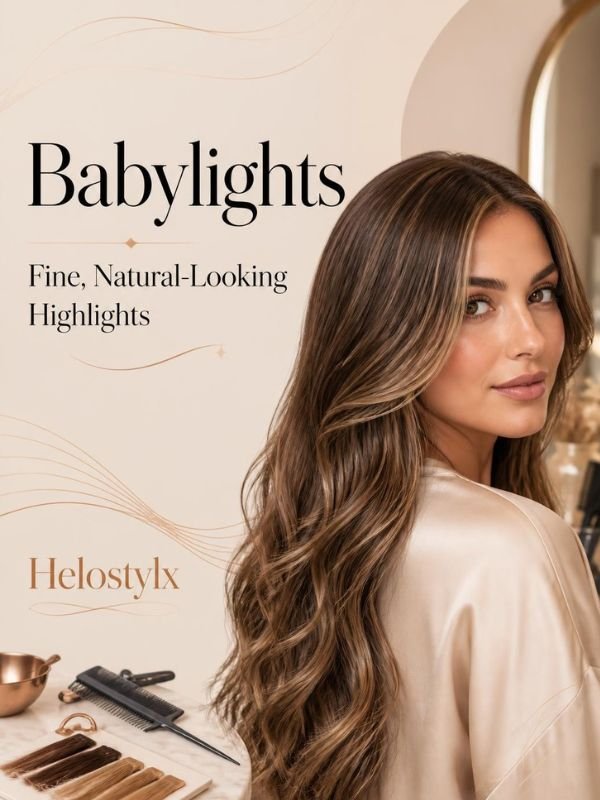
Best for: subtle, natural-looking highlights that mimic childhood sun-lightening
Babylights are ultra-fine, delicate highlights, usually only a shade or two lighter than your base color. Colorists place them in tiny sections, often with a weave technique, so the pieces blend seamlessly.
Why they work:
- They’re the most natural-looking highlighted hair you can get.
- They suit fine or straight hair that needs shine without heaviness.
- They grow out almost unnoticed, with no harsh line at the root.
What to know: Babylights take patience. Because the sections are tiny, appointments can run long. If you want subtle highlights that look like you were born with them, this is the one.
5. Highlights and Lowlights – What in the World Is the Difference?
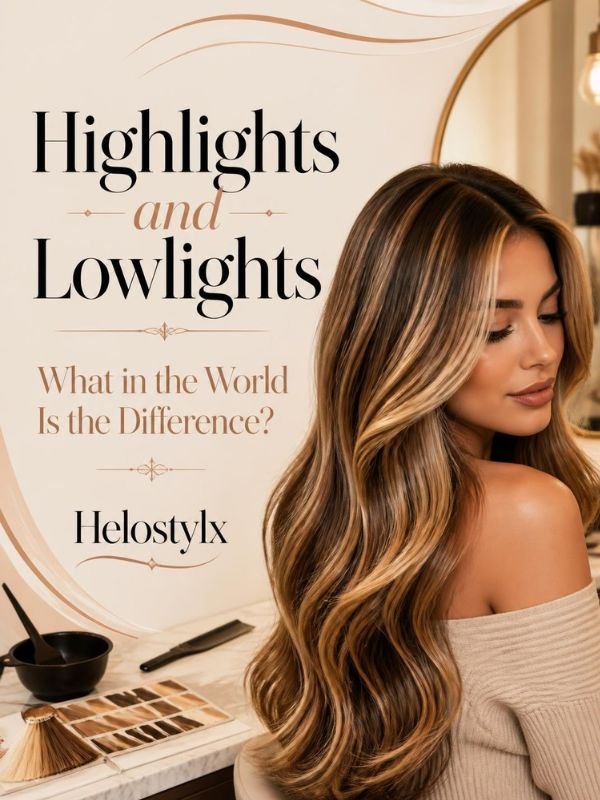
This question comes up in nearly every consultation, so here’s the plain answer.
- Highlights are lighter than your base color.
- Lowlights are darker than your base color.
Highlights add brightness and lift to highlighted hair. Lowlights add depth and shadow. Used together, they create dimension that single-process color can’t match.
When to choose highlights and lowlights together:
- You’re growing out blonde and want a softer return to your natural shade.
- You want your blonde to look more realistic by adding shadow near the roots.
A common technique for brown hair with blonde highlights is to add a few lowlights in a warm chocolate or caramel tone. This keeps the blonde from looking disconnected from your base. It also hides the line of regrowth.
6. Balayage vs Highlights: Which Highlighted Hair Technique Should You Pick?
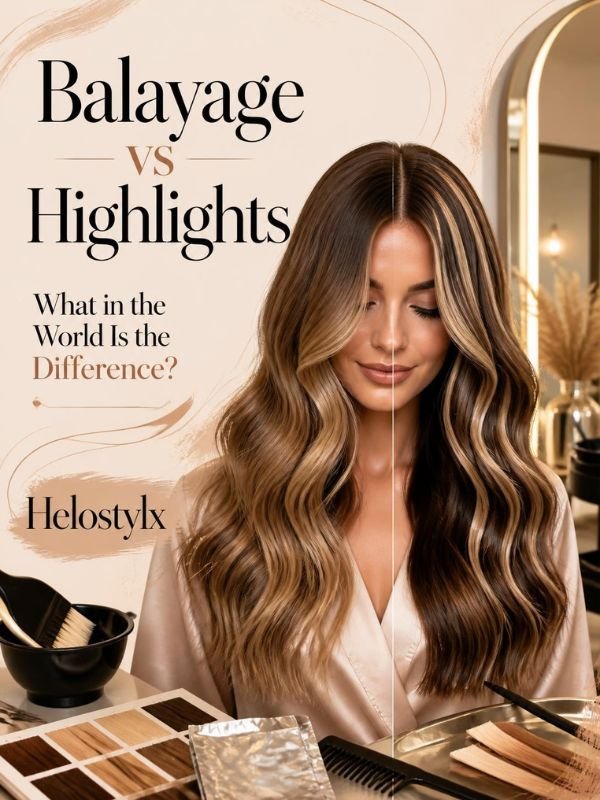
Balayage and traditional highlights both lighten hair, but they work differently.
Traditional highlights use foils to lift hair evenly from root to tip. The result is bright, uniform, and precisely placed. Regrowth shows as a distinct line after several weeks.
Balayage (French for “to sweep”) is hand-painted onto the hair freehand. Color is concentrated on the mid-lengths and ends, with a soft, blurred transition at the root. The look is sun-kissed and lived-in.
| Feature | Traditional Highlights | Balayage |
| Application | Foils, weaving | Hand-painted |
| Root | Starts at or near the root | Soft, blended root |
| Look | Bright, defined | Natural, diffused |
| Maintenance | Every 8–12 weeks | Every 3–5 months |
| Best for | Maximum brightness | Low-maintenance highlights |
Which one wins? If you want maximum lift and don’t mind regular touch-ups, go with traditional highlights. If you’d rather book fewer appointments and enjoy a soft grow-out, balayage is the better fit. Many stylists also combine the two (“foilayage”) to get brightness with a blended finish.
7. Red Highlights
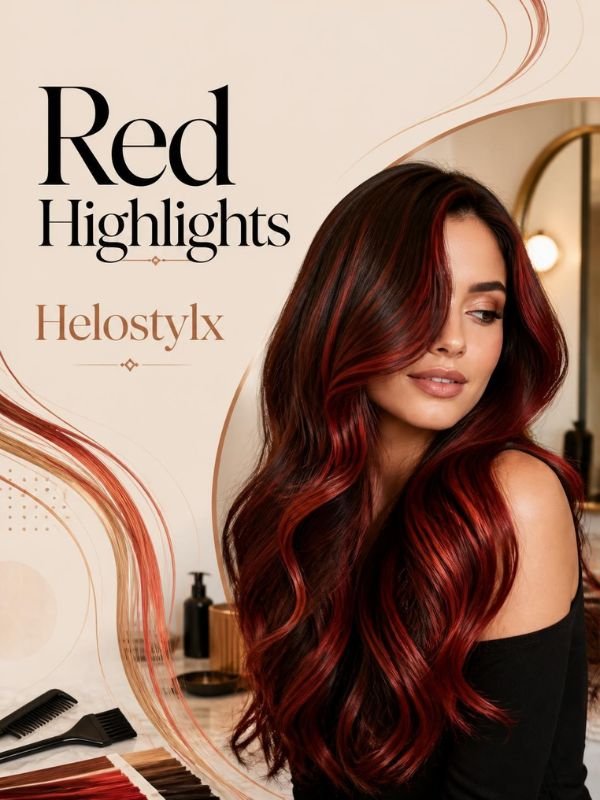
Best for: people who want warmth, richness, and personality
Red highlights add fire to brown, black, and auburn hair. They range from subtle copper glints to bold cherry and burgundy streaks.
Popular shades:
- Copper: warm and glowing, great on light to medium brown hair
- Auburn: rich and earthy, flattering on most skin tones
- Burgundy: deep and dramatic, stunning on dark hair
- Cherry red: vivid and playful, best for bold personalities
What to know: Red is the hardest pigment to keep. The molecules are large, so they slip out of the hair shaft faster than other colors. To keep red highlighted hair bright, wash with cool water, use a color-depositing conditioner, and shampoo only when necessary. Dark hair needs lightening first for a true red to show, so factor that into your budget and timeline.
8. Black Hair with Highlights
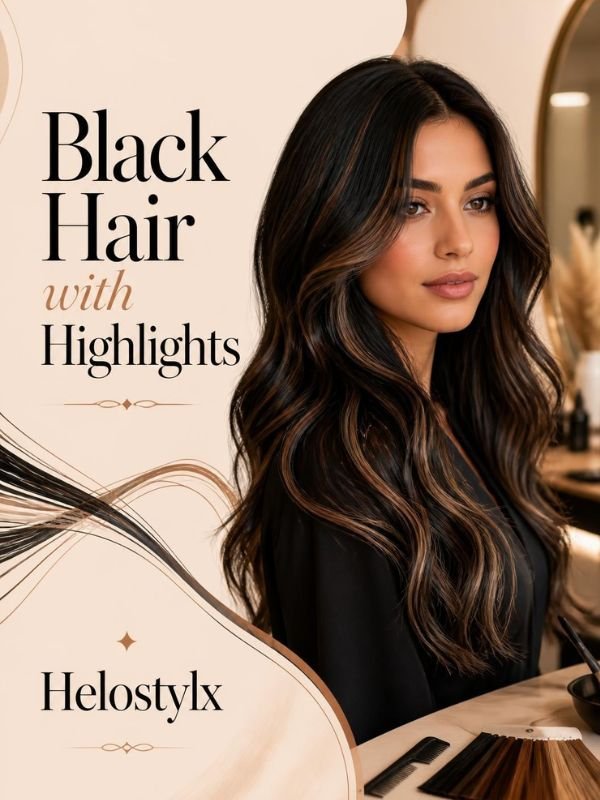
Best for: dark-haired people who want contrast without going fully blonde
Black hair with highlights is striking when it’s done right. Because black is the deepest base, lightener must work harder to lift it, and your colorist should take care to protect the hair’s strength.
Flattering options:
- Caramel highlights: warm, soft, and easy to wear on black or dark brown hair
- Honey or golden brown: brightens the face without a stark contrast
- Ash brown or mocha: cool, smoky, and modern
- Burgundy or plum: subtle color that reads rich in the light
Pro tip: If you’ve never lightened black hair before, start with face-framing pieces or a few fine babylights. This lets you test how your hair reacts before committing to a larger service.
9. Blue Highlights
Best for: creative, fashion-forward color lovers
Blue highlights are a playful way to add color to dark hair. Navy and midnight shades read as deep and mysterious, while teal and electric blue make a loud statement.
Why people choose them:
- Blue shows beautifully against black and dark brown hair, sometimes without any bleach at all, depending on the formula.
- You can keep them hidden underneath as peekaboo color, then show them off when you wear your hair up.
What to know: Blue highlighted hair fades quickly and can leave a greenish tint on blonde or lightened hair. If you’re planning to switch back to a natural shade later, tell your stylist up front so they can plan the correction.
10. Red Hair with Blonde Highlights
Best for: natural redheads and copper lovers who want brightness
Blonde highlights on red hair create a warm, strawberry-gold effect that’s soft and sunlit. Instead of fighting the red, the blonde tones blend with it.
Tips for the best result:
- Pick golden, apricot, or strawberry blonde instead of icy platinum. Cool blondes can clash with red undertones and look flat.
- Ask for toner to keep brassiness under control.
What to know: Red pigment is stubborn, so lifting it takes careful timing. A skilled colorist will test a small section first and adjust the formula accordingly.
11. Peekaboo Highlights
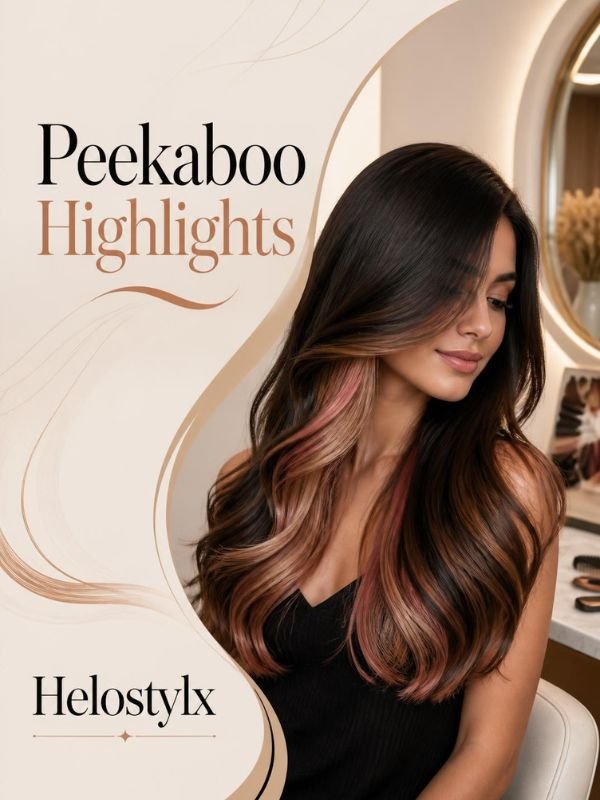
Best for: people who want fun color with an office-friendly option
Peekaboo highlighted hair is placed in the underlayer of the hair, usually near the nape or just behind the ears. They stay hidden when your hair is down and flash into view when you tuck it back, pull it up, or let it move.
Why they’re popular:
- They’re an easy way to try a bold shade, such as blue or red, without a visible commitment.
- They cost less than a full head of color.
- Grow-out is invisible, which makes them a classic low-maintenance highlights choice.
12. Face-Framing Highlights
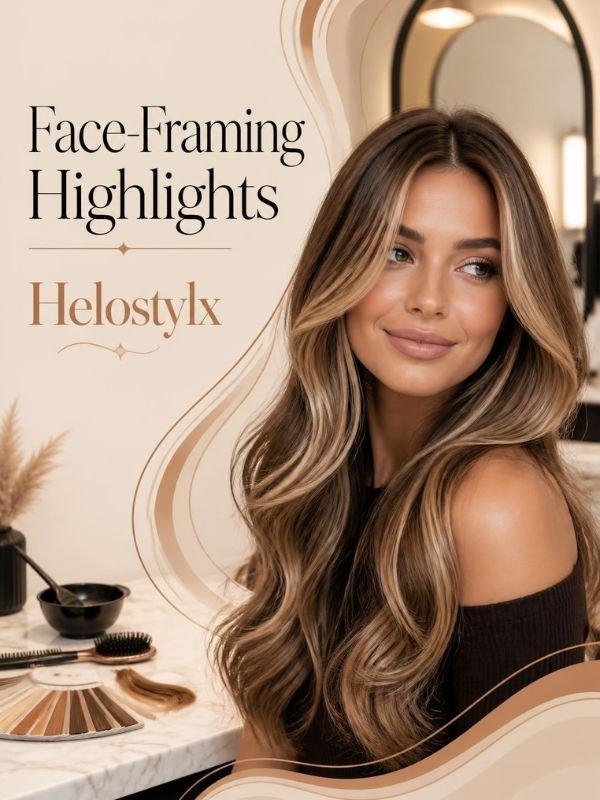
Best for: a quick brightness boost around the face
Face-framing highlights are lightened pieces placed right around your hairline and the front sections. They brighten your complexion, soften strong features, and draw attention to your eyes and cheekbones.
Why they work:
- They’re the fastest, most affordable way to refresh highlighted hair between bigger services.
- They work well on hair that hasn’t been colored before.
What to know: Choose a shade that suits your skin tone. Warm skin tends to glow with golden or honey tones, while cool skin looks great in beige, ash, or soft silver highlights.
13. Growing Out Gray Hair with Highlights
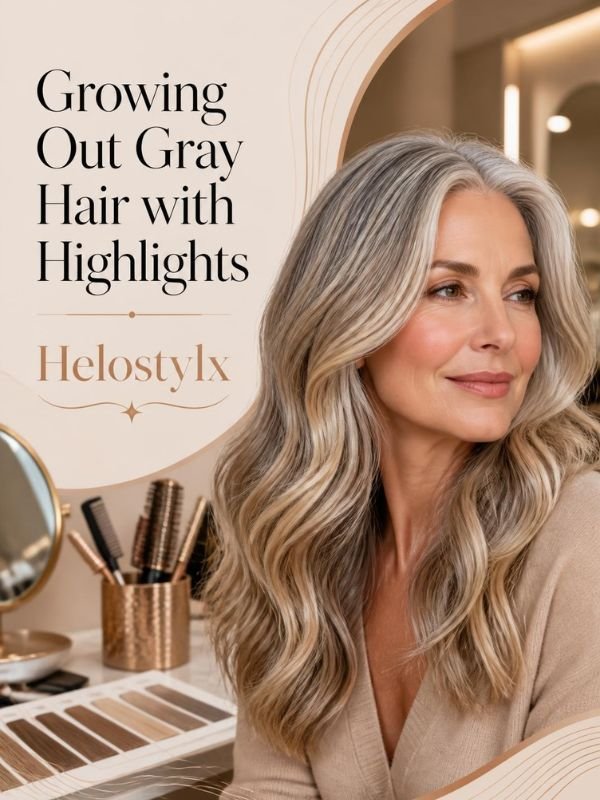
Best for: people who want to blend gray hair gradually and avoid harsh regrowth lines
Highlights are one of the smartest ways to style gray highlighted hair and handle gray hair with highlights. Instead of covering gray with a solid dark color, your colorist weaves lighter pieces throughout so the silver blends in rather than standing out.
Why it works:
- Gray roots become part of the design, so you don’t see a sharp line.
- Highlights camouflage regrowth for months, not weeks.
Best shades for blending:
- Soft blonde and champagne tones
- Ash and pearl for a polished, cool finish
- Silver highlights for a modern, intentional gray look
Pro tip: Ask for lowlights too. A few strands in a deeper shade add contrast, so gray doesn’t look washed out. Gray hair can be coarser and more resistant, so a good deep conditioning treatment is essential.
Also Read This : Best Hair Color for Your Skin Tone: Find Your Ideal Shade
14. Curly Hair Highlights
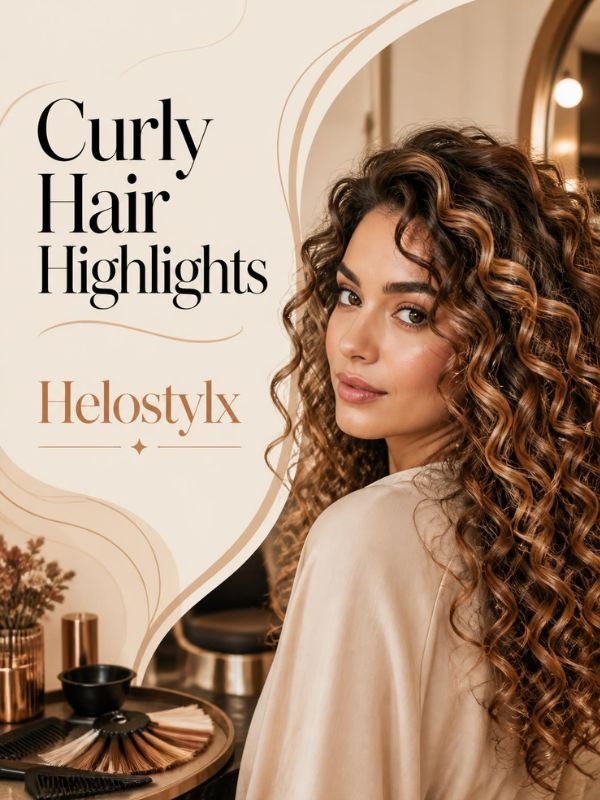
Best for: adding definition and dimension to curls and coils
Curly hair highlights need a different approach than straight highlighted hair. Curls are naturally more fragile and prone to dryness, and a heavy hand with bleach can loosen your curl pattern.
What works best:
- Hand-painted highlights or balayage: these follow the natural curl pattern rather than cutting across it.
- Dimensional highlights: soft variation shows off each curl.
- Fewer, thicker pieces: thin babylights can get lost in the volume of tight curls.
Care tips:
- Ask your stylist to lighten curly hair while it’s dry and in its natural pattern, so they can see exactly where the color will land.
- Use sulfate-free shampoo, a rich leave-in conditioner, and a weekly protein or bond-repair mask.
15. Base Color with Highlights
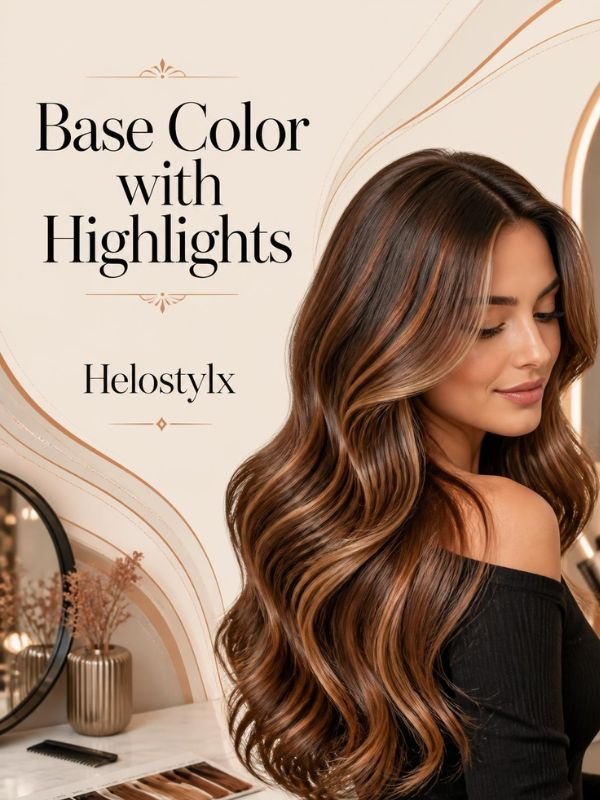
Best for: anyone who wants a polished, balanced result
Your base color is the shade that sits at your roots and under the highlights. Pairing a thoughtfully chosen base color with highlights is what makes highlighted hair look finished.
Examples of winning pairings:
- Dark brown base with caramel highlights: warm, rich, and flattering on most skin tones
- Medium brown base with blonde highlights: the classic, always-in-style combination
- Dark blonde base with bright blonde highlights: a soft, multi-tonal result
- Black base with burgundy or blue highlights: edgy and dramatic
What to know: Applying a base color with highlights often means your roots stay in a natural shade while the highlights lift everything else. This creates a “shadow root,” which makes the transition to new growth soft and gradual. It’s an excellent way to cut down on touch-up visits.
Quick Guide: Choosing the Right Highlighted Hair for You
- Bold, bright change: full highlights or chunky highlights (wide pieces, now softer and better blended)
- Subtle highlights: babylights or face-framing pieces
- Natural-looking, sun-kissed finish: balayage or dimensional highlights
- Trying color quietly: peekaboo highlights
- Growing out gray: fine highlights with lowlights
- Least upkeep: balayage with a shadow root
How to Keep Your Highlighted Hair Healthy and Vibrant
Lightening changes hair structure, so aftercare for highlighted hair matters as much as the appointment itself. Follow these habits to protect your investment.
- Use sulfate-free, color-safe shampoo. Harsh cleansers strip toner and fade color faster.
- Add a bond-repair treatment. Products that rebuild internal bonds help hair feel stronger after lightening.
- Tone smartly. Purple shampoo neutralizes yellow in blonde highlights, and blue shampoo cancels orange in brunette ones. Use either once a week, not daily.
- Wash with cooler water. Hot water opens the cuticle and lets color escape.
- Protect from heat and sun. Use a heat protectant before styling and a UV-protective spray when you’re outdoors.
But Can My Hair Be Permed After I Highlight It with Lightener or Color?
This is one of the most common questions, and the honest answer is: sometimes, but proceed with care.
Both lightener and perm solution change the internal structure of your hair. Doing both in a short window can leave hair weak, stretchy, or prone to breakage.
General guidelines:
- Perm first, color second, when possible. Most professionals prefer to perm hair before lightening it, then wait at least two weeks before applying highlights.
- If you’ve already highlighted, wait. Give your hair time to recover, and have a stylist assess its condition before any perm service.
- Choose a gentler perm. Acid or low-pH perms are typically kinder to lightened hair than alkaline formulas.
- Do a strand test. A test strand shows whether your highlighted hair can handle the process.
- Skip it if the hair feels gummy, mushy, or overly stretchy when wet. That’s a sign it needs repair, not more chemicals.
Bottom line: Highly lightened or already damaged highlighted hair is often a poor candidate for a perm. If your heart is set on curls, talk to a stylist who can propose alternatives, such as a texture wave or heatless curling methods, that won’t compromise your highlights.
Frequently Asked Questions About Highlighted Hair
What is the difference between balayage and highlights?
Traditional highlights use foils to lighten hair in precise, even sections from the root. Balayage is painted freehand for a softer, blended, sun-kissed look with a gradual root. In the balayage vs highlights debate, balayage grows out more gracefully, while highlights deliver maximum brightness.
How often should I touch up highlighted hair?
Traditional or full highlights usually need a refresh every 8 to 12 weeks. Balayage, babylights, and other low-maintenance highlights can last 3 to 5 months, especially with a shadow root. Toning in between appointments helps your color stay fresh.
Are highlights better than all-over color for gray hair?
For many people, yes. Gray hair with highlights blends silver strands into the design, so regrowth is less obvious than it is with solid color. The trade-off is that highlights won’t fully cover gray the way an opaque permanent dye does, so the best choice depends on how much gray you have and how seamless you want the finish.
Can I get blonde highlights on dark brown or black hair?
Yes, but it takes lightening, and often more than one session for a clean result. Brown hair with blonde highlights or black hair with highlights works best when your colorist lifts gradually and uses a bond-building treatment to protect your strands. Warm caramel and honey shades are the easiest first steps.
Final Thoughts: Find the Highlighted Hair That Feels Like You
Highlighted hair is not a one-size-fits-all service. The best results come from matching the technique to your base color, texture, lifestyle, and budget. Want soft and subtle? Try babylights. Want bold and dramatic? Consider red or blue highlights. Want something easy to maintain? Go for balayage or peekaboo color.
Before your next appointment, bring clear reference photos, share your history with chemical treatments, and ask your colorist how the look will grow out. Those three steps prevent most color disappointments.
Choose the style that makes you feel confident, care for it well, and your highlighted hair will keep looking dimensional, healthy, and unmistakably yours.
