
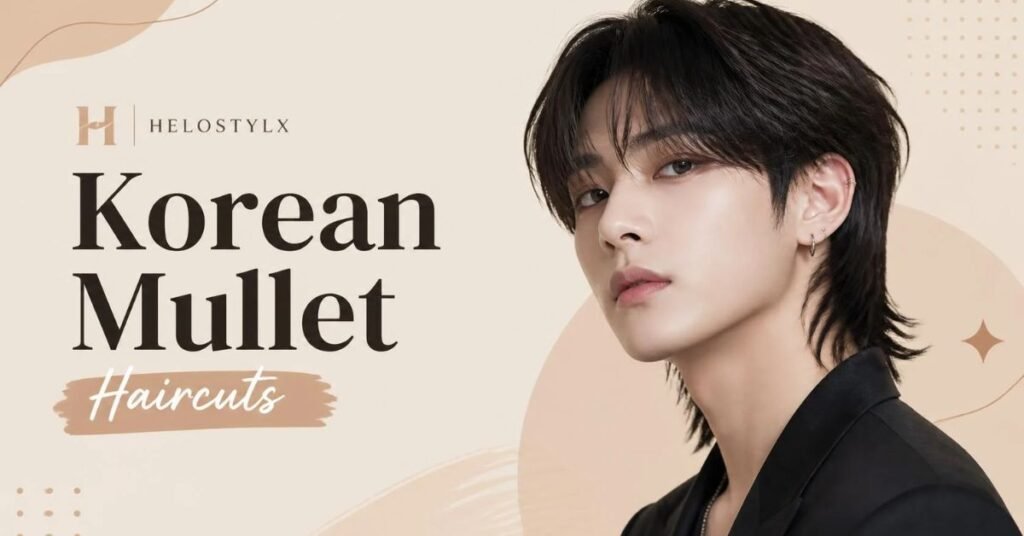
If you’ve scrolled through K-drama sets or K-pop comeback stages lately, you’ve probably noticed one hairstyle popping up everywhere: the Korean mullet haircut. It’s not the loud, business-in-the-front chaos your uncle rocked in the 90s. This version is softer, more textured, and built around movement — a style that looks effortless but is actually engineered down to the last layer.
In 2026, the Korean mullet haircut has evolved into dozens of wearable variations, from soft and fluffy to sharp and faded. This guide breaks down every major style, who it suits, and how to ask for it at the salon — so you walk out with a cut that actually works for your face, not just your Pinterest board.
Why Korean Mullet Haircuts Are Trending in 2026
Korean hairstyle trends move fast, but the mullet has stuck around for a reason: it’s genuinely versatile. Unlike a one-note haircut, a Korean mullet haircut can be dialed up or down depending on your lifestyle, hair texture, and confidence level.
Here’s what’s driving the boom:
- K-pop inspired hairstyles keep the look in constant rotation, with idols reinventing it every comeback season.
- Barbers have refined the technique, blending Western mullet shapes with Korean layering and softer perimeters.
- It works on straight, wavy, and even permed hair — a rare flexibility most trendy mullet hairstyles don’t offer.
- It’s low-maintenance day-to-day but high-impact visually, which fits the “effortless cool” aesthetic Korean grooming is known for.
Put simply, this isn’t a fad borrowed from old photos. It’s a modern reinterpretation built for how people actually want to look and live in 2026.
Top Modern Korean Mullet Haircuts: Timeless Variation 2026
Not every Korean mullet haircut looks the same, and that’s the whole point. Below are the eight variations shaping Korean hairstyle trends this year, each with its own personality, styling demand, and best-fit face shape.
Korean Soft Mullet
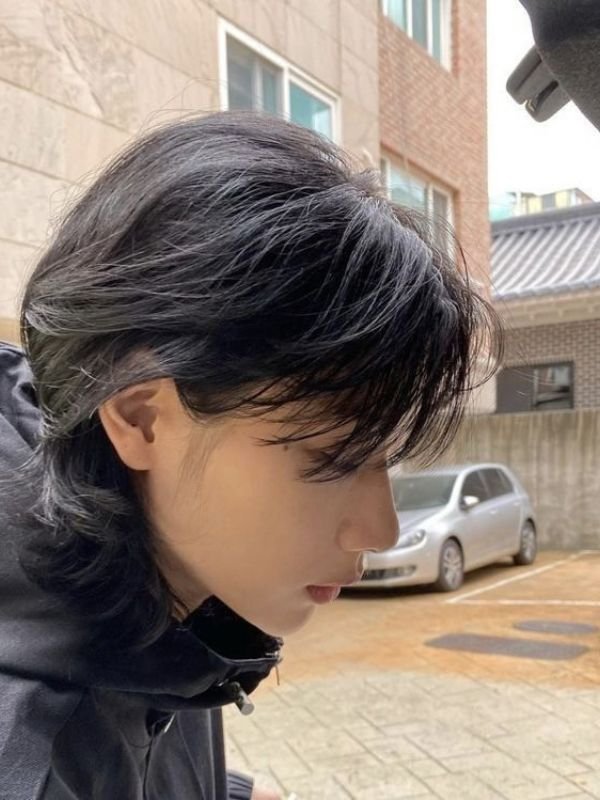
The Korean soft mullet is the gateway style for anyone nervous about committing to a full mullet. It keeps the classic short-top, longer-back silhouette but rounds off every hard edge.
Key traits:
- Feathered, wispy ends instead of blunt lines
- Subtle length difference between crown and nape
- Works beautifully with natural waves or light perms
This is the safest entry point if you want the idea of a mullet without looking drastically different overnight. It reads as polished rather than rebellious, which makes it popular in offices and among people easing into bolder Korean mullet hairstyles.
Korean Layered Mullet
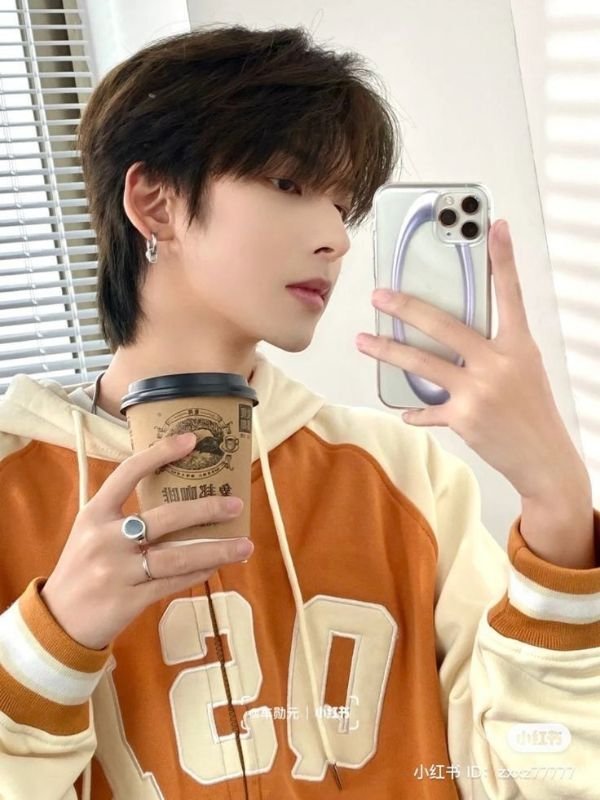
If the soft mullet is the entry point, the Korean layered mullet is the crowd-pleaser. Multiple layers are cut throughout the length to create built-in volume and texture without needing heavy styling.
What makes it stand out:
- Layers stacked from crown to nape build natural lift
- Great for fine or thin hair that needs the illusion of density
- Pairs well with light fringe or curtain bangs
This layered mullet haircut is arguably the most photographed style among Korean mullet hairstyles right now because it photographs well from every angle — front, side, and back.
Korean Mullet Wolf Cut
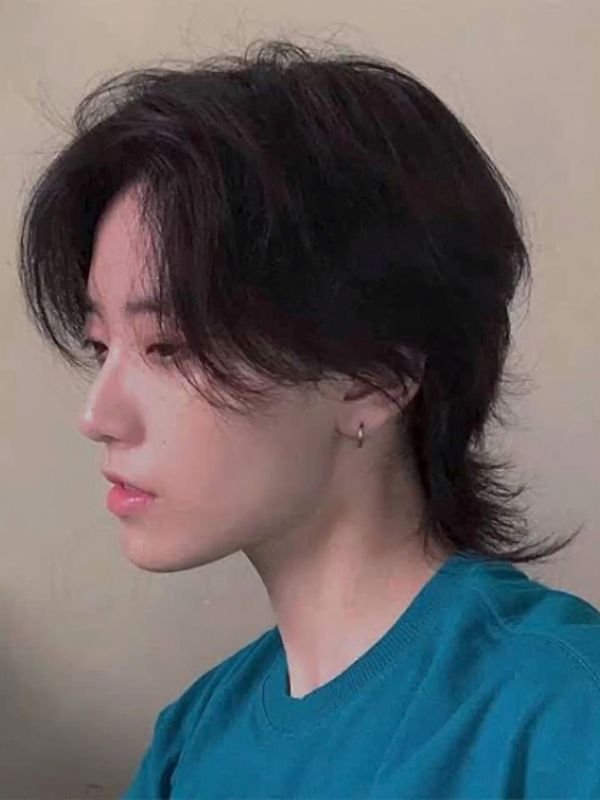
The Korean mullet wolf cut merges the shaggy, choppy wolf cut trend with traditional mullet proportions. Think heavy texturizing, razored ends, and a deliberately undone finish.
Why people love it:
- Maximum texture with minimal daily effort
- Excellent for thick or coarse hair that holds shape well
- Naturally messy, so bad-hair days barely show
Out of all modern Korean mullet styles, this one leans hardest into “I woke up like this” energy — even though the cutting technique behind it is anything but simple.
Also Read This : 18 Modern Middle Part Mullet Hairstyles for Men in 2026
Korean Middle Part Mullet
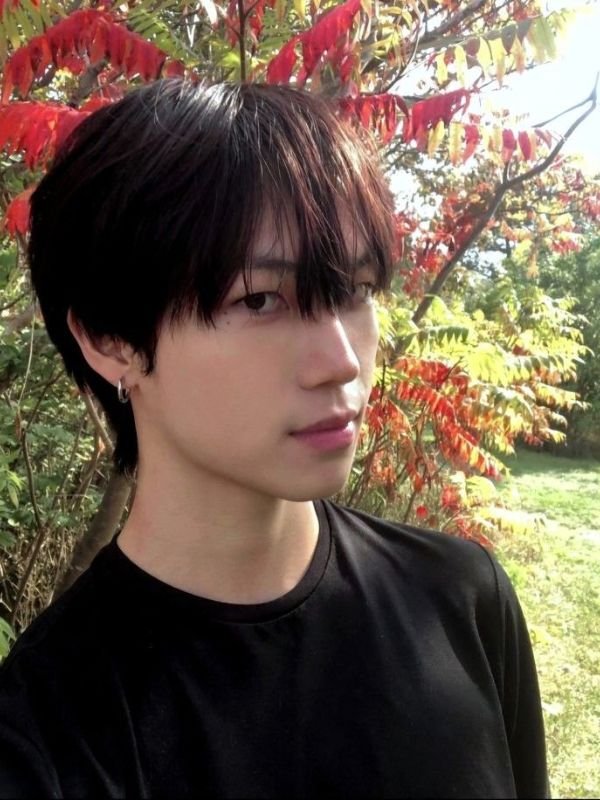
The Korean middle part mullet takes the classic K-drama center part and fuses it with mullet layering at the back. It’s soft, symmetrical, and instantly recognizable as a K-style haircut.
Best suited for:
- Round or oval face shapes that benefit from vertical lines
- Straight or slightly wavy hair with natural fall
- Anyone wanting a Korean mullet haircut that still looks tidy for formal settings
The center part elongates the face while the mullet length at the back keeps things interesting. It’s a favorite among fans of understated K-pop inspired hairstyles.
Korean Mullet Two Block
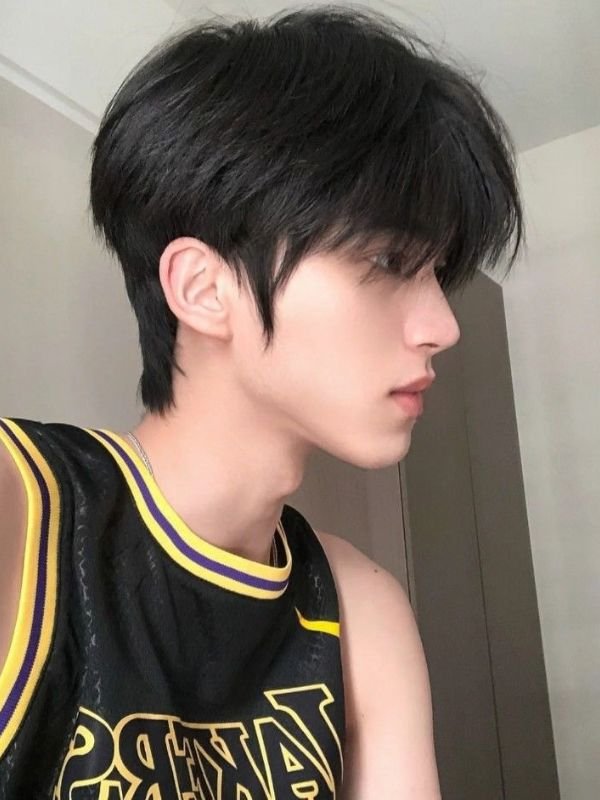
The Korean two block mullet borrows from the two-block haircut — shaved or closely cropped sides with noticeably longer hair on top — then extends the back into mullet length.
Standout features:
- Sharp contrast between short sides and longer crown/back
- Works with almost any hair texture, including permed hair
- Easy to maintain since sides need less frequent trims than length up top
This is one of the more structured Korean mullet hairstyles, appealing to people who want defined lines rather than an all-over shaggy look.
Korean Fluffy Mullet
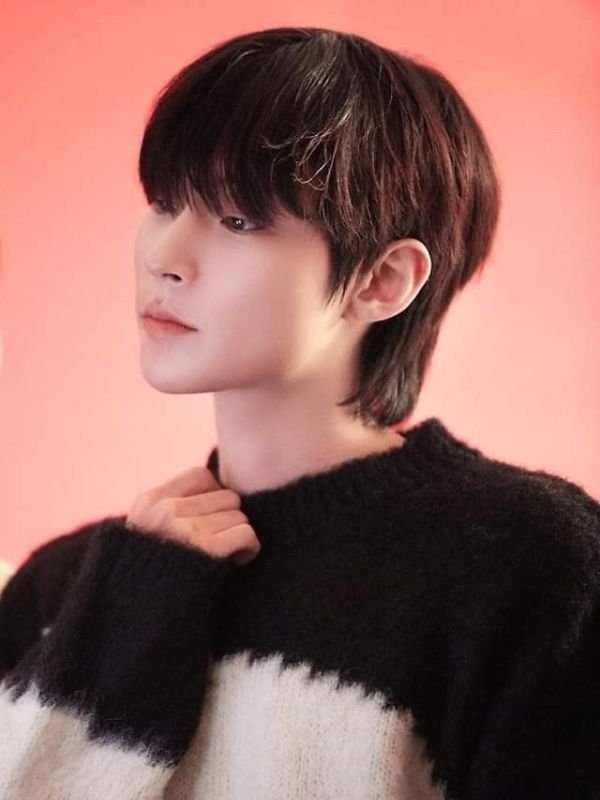
The Korean fluffy mullet is built entirely around volume. Using a perm or diffusing technique, stylists create rounded, cloud-like texture on top while keeping mullet-length hair in the back.
Why it’s trending:
- Massive volume payoff, especially on fine hair
- Soft, youthful silhouette that suits almost every face shape
- Usually paired with a light perm for texture that lasts weeks
If you’ve seen K-pop idols with soft, puffy hair that somehow still has length in the back, you’ve seen the Korean fluffy mullet in action.
Korean Mullet Fade
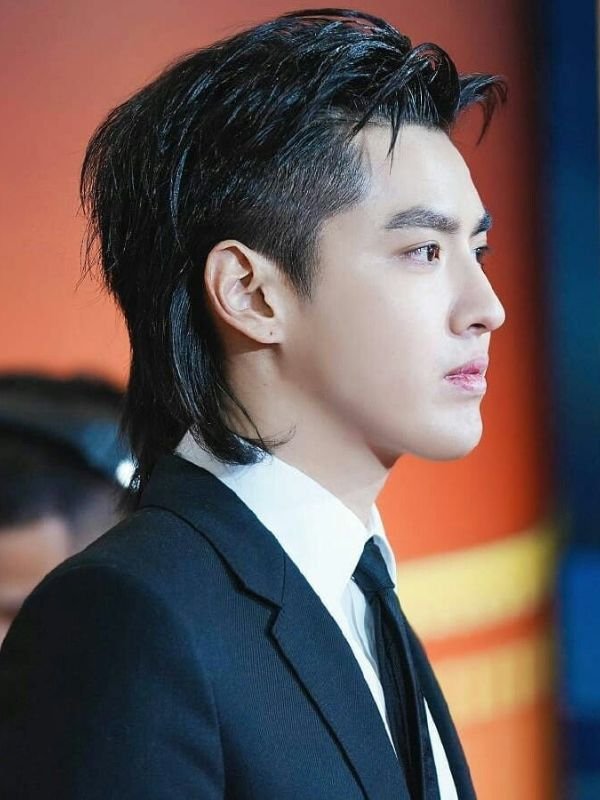
The Korean mullet fade combines a gradual fade on the sides with mullet length up top and at the back. It’s the cleanest, most barbershop-friendly version of the trend.
Details worth knowing:
- Fade can range from low and subtle to high and dramatic
- Creates sharp contrast that makes top layers pop visually
- Ideal for Korean men’s hairstyles that need to look neat for work or school
This Korean mullet fade is often requested alongside a textured mullet on top, giving contrast between the tight sides and looser, messier crown.
Korean Taper Mullet
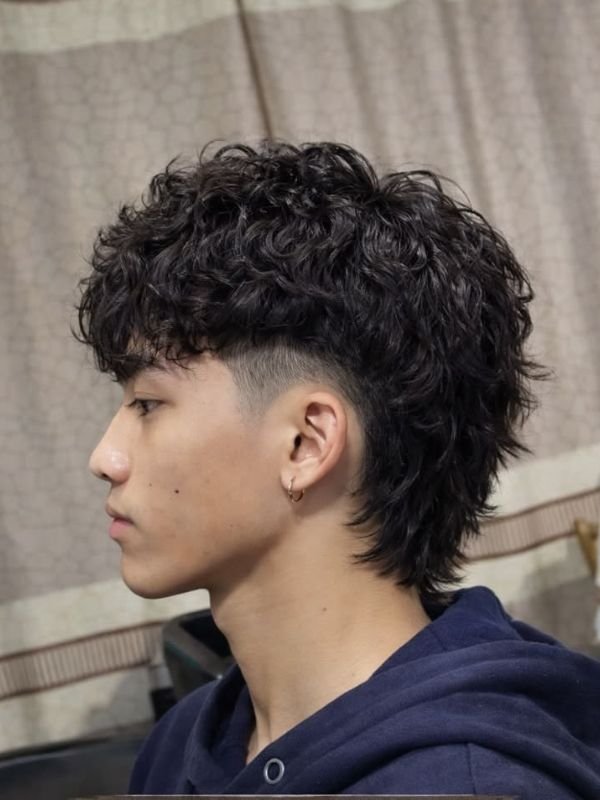
The Korean taper mullet softens the sides gradually rather than fading them sharply, blending seamlessly into mullet length at the back.
Why choose taper over fade:
- Less maintenance since regrowth is less noticeable
- Softer, more natural transition than a hard fade
- Great middle ground for first-timers unsure about faded sides
Among modern mullet styles, the taper version tends to age the best between salon visits, making it a smart pick if you can’t get a trim every two weeks.
Quick Comparison of Korean Mullet Styles
Choosing between so many Korean mullet hairstyles can feel overwhelming. Here’s a quick side-by-side to simplify the decision:
| Style | Maintenance | Best Hair Type | Vibe |
| Korean Soft Mullet | Low | Straight, light wave | Subtle, polished |
| Korean Layered Mullet | Medium | Fine to medium | Textured, voluminous |
| Korean Mullet Wolf Cut | Low–Medium | Thick, coarse | Shaggy, edgy |
| Korean Middle Part Mullet | Low | Straight | Neat, symmetrical |
| Korean Two Block Mullet | Medium | Any | Structured, sharp |
| Korean Fluffy Mullet | Medium–High | Fine, permed | Soft, voluminous |
| Korean Mullet Fade | High | Any | Clean, contrasted |
| Korean Taper Mullet | Medium | Any | Balanced, natural |
Use this table as a starting point, then talk through your daily routine and styling patience with your barber before committing.
Best Hairstyling Ideas on Korean Mullets
A great cut is only half the equation — styling is what makes a Korean mullet haircut look intentional instead of accidental. Here are practical, tested tips for keeping your mullet camera-ready.
For volume-focused styles (fluffy, layered, wolf cut):
- Dry hair upside down with a diffuser to boost root lift
- Apply a light mousse before drying, not after
- Avoid heavy oils that weigh down the crown
For clean-lined styles (fade, two block, middle part):
- Use a matte clay or paste to define top sections without shine
- Keep sides brushed flat to emphasize the fade or taper contrast
- Trim edges every 3–4 weeks to maintain sharpness
For soft and taper mullets:
- A texturizing spray adds grip without stiffness
- Air-dry when possible to keep the natural, undone finish
- Light sea-salt spray enhances texture on wavy hair types
One universal rule across every version: don’t overload with product. Korean hairstyle trends favor a “your hair, but better” finish — not a stiff, sculpted look.
Korean Mullet Guide: Man of the Trend
Choosing the right Korean mullet haircut isn’t just about copying a photo — it’s about matching the cut to your face shape, hair type, and lifestyle.
By face shape:
- Round faces → Korean two block mullet or fade for added angles
- Square faces → Korean soft mullet or fluffy mullet to soften jawlines
- Oval faces → Almost any style works; middle part mullet is especially flattering
- Long faces → Fluffy or layered mullet to add width at the crown
By hair type:
- Straight hair → Middle part mullet, taper mullet
- Wavy hair → Soft mullet, layered mullet
- Curly/permed hair → Wolf cut, fluffy mullet
- Thick/coarse hair → Two block mullet, wolf cut
By lifestyle:
- Office-friendly → Taper mullet, middle part mullet
- Low-maintenance → Wolf cut, soft mullet
- Statement-making → Fluffy mullet, mullet fade
When you sit down at the salon, bring reference photos, but also describe your daily routine honestly. A stylist can only nail a Korean mullet haircut that suits you if they know how much time you’ll actually spend styling it each morning.
Conclusion
The Korean mullet haircut has proven it’s more than a passing trend — it’s a genuinely adaptable style with a version for nearly every face shape, hair type, and personality. Whether you’re drawn to the understated Korean soft mullet, the bold Korean mullet wolf cut, or the sharp lines of a Korean mullet fade, there’s a K-style option that fits your 2026 hair goals.
The key takeaway? Don’t just pick a photo and hope for the best. Match the style to your hair texture, your face shape, and how much effort you’re realistically willing to put in daily. Do that, and your Korean mullet haircut won’t just look good in photos — it’ll look good every single day.
Frequently Asked Questions
What makes a Korean mullet haircut different from a regular mullet?
It uses softer, rounded layering and a heavier fringe instead of the blunt, sharp lines of a classic Western mullet.
Does a Korean mullet haircut work on curly or wavy hair?
Yes — natural wave and light curl enhance the texture, especially on the wolf cut and layered mullet variations.
How often do you need to trim a Korean mullet fade or wolf cut?
Every four to six weeks for high-contrast styles like the fade and wolf cut; six to eight weeks for softer versions.
Is the Korean mullet haircut appropriate for a professional workplace?
The Korean taper mullet and soft mullet are the most workplace-friendly; the wolf cut and two block suit casual settings better.
