
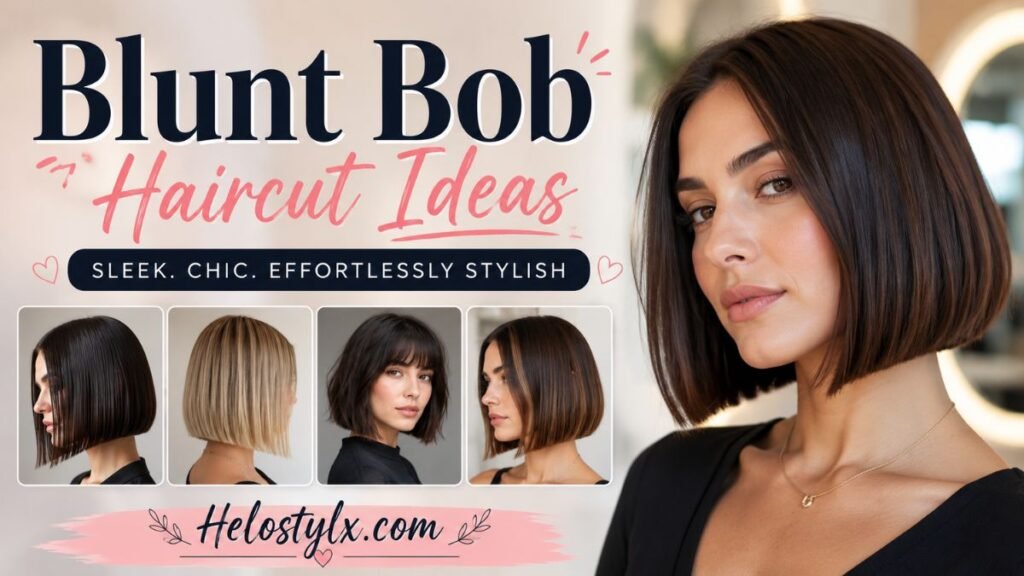
A blunt bob haircut is one of those rare styles that manages to look effortless and polished at the same time. With its crisp, one-length edge and no-nonsense silhouette, it has become a go-to request in salons everywhere, from red carpets to everyday street style. If you’re considering a change that feels modern without being high-maintenance, this cut deserves a serious look.
In this guide, you’ll find everything you need before booking your appointment what a blunt bob actually is, which hair types and face shapes it flatters most, and fifteen distinct variations to bring as inspiration. Whether you want something sleek and graphic or soft and textured, there’s a version of the blunt bob haircut built for you.
What Is a Blunt Bob?
A blunt bob is a haircut where every strand is cut to hit at exactly the same length, creating a straight, sharp line at the bottom rather than a feathered or layered edge. The result is a dense, weighty look that reads as clean, geometric, and intentional.
This precision is what separates a blunt bob from a standard bob. Traditional bobs often incorporate soft layering to blend the ends, while a blunt cut relies on one uniform line, usually falling somewhere between the chin and the collarbone.
Stylists sometimes call this a “one-length bob” or “blunt-cut bob,” and it’s built on a technique that requires exact sectioning and minimal thinning. Because there’s no layering to hide mistakes, the cut depends heavily on precise measurement, which is why it’s considered a signature test of a stylist’s skill.
Key characteristics of a blunt bob:
- A straight, horizontal cut line with no graduation
- Length typically between chin and shoulder
- Thick, full-looking ends due to even weight distribution
- Works with a middle part, side part, or no part at all
- Can be styled straight, wavy, or curly without losing its shape
Best Hair Types for Blunt Bobs
While a blunt bob can technically be adapted for nearly any hair type, some textures show off the style’s defining sharp line more naturally than others.
Straight Hair
Straight hair is the easiest canvas for a blunt bob. The uniform length falls cleanly, making the geometric edge highly visible without much styling effort.
Wavy Hair
Wavy hair softens the blunt line just enough to keep the cut from looking too severe, while still preserving the overall silhouette. This texture tends to require the least daily maintenance.
Thick Hair
Thick hair holds a blunt bob’s shape exceptionally well because there’s enough density to create that heavy, blunt-ended look stylists aim for.
Fine or Thin Hair
Fine hair actually benefits from a blunt cut because removing layers concentrates the ends, creating the illusion of thicker, fuller hair.
Curly Hair
Curly hair works too, though the blunt line will read differently depending on curl pattern — tighter curls will appear more rounded than sharp. A stylist experienced in cutting curly hair dry (rather than wet) will get the most accurate result.
| Hair Type | Suitability | Styling Notes |
| Straight | Excellent | Shows the blunt line most clearly |
| Wavy | Excellent | Naturally softens the edge |
| Thick | Excellent | Creates maximum density at the ends |
| Fine/Thin | Good | Adds the appearance of volume |
| Curly | Good | Best cut dry for accurate shaping |
Blunt Bobs for Your Face Shape
Choosing the right length and part for your face shape can make a blunt bob look tailor-made rather than generic.
Round Face
A chin-length or slightly longer blunt bob with a deep side part helps elongate a round face and avoids adding width at the cheeks.
Oval Face
Oval faces are considered the most versatile for this cut — nearly any length, from a short blunt bob to a longer lob, will work well.
Square Face
Soft waves paired with a blunt bob can help soften strong jawlines, while length that hits just below the chin balances angular features.
Heart-Shaped Face
A blunt bob that grazes the jaw adds width at the bottom of the face, helping balance a narrower chin and wider forehead.
Long Face
A blunt bob with bangs or one that hits at the chin interrupts the vertical length of the face and adds the appearance of width.
Expert tip: Bring a photo of your face shape alongside your desired blunt bob reference image this helps your stylist adjust length and angle before the first cut, not after.
15 Blunt Bob Haircut Ideas
Below are fifteen distinct takes on the blunt bob, ranging from classic and minimal to bold and textured. Save the ones that catch your eye to show your stylist directly.
1. Soft Wave Bob
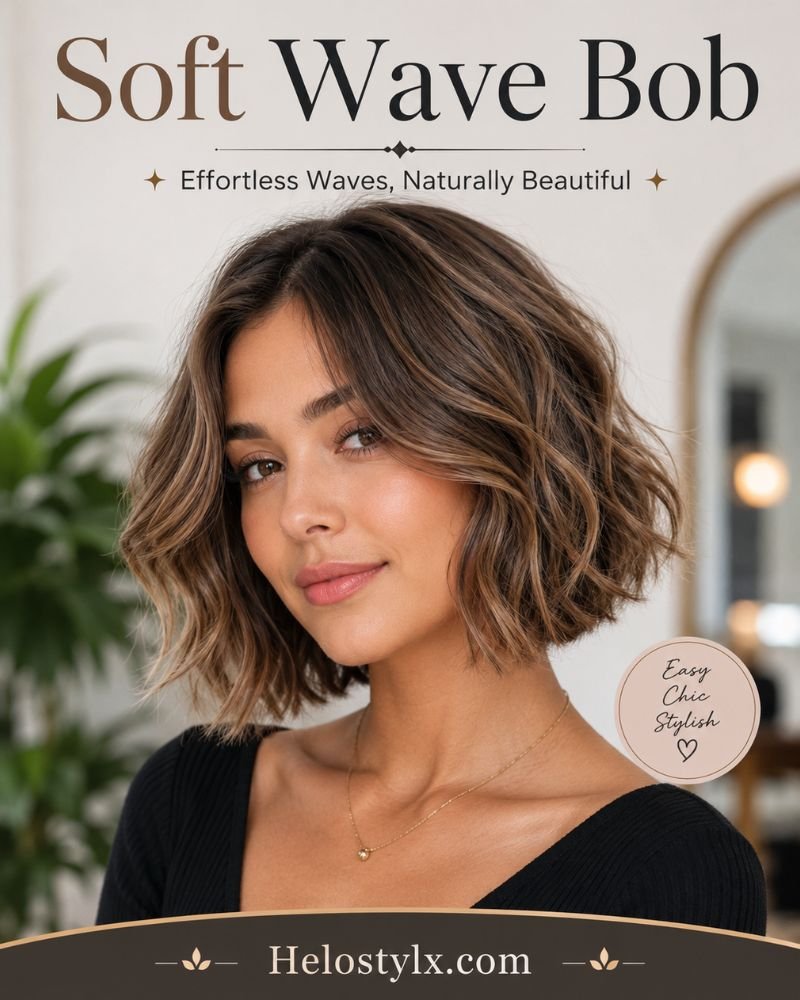
Loose, beachy waves add movement to the blunt line without erasing its structure. This version works especially well for those who want low-maintenance styling with a polished finish.
2. Side-Part Bob
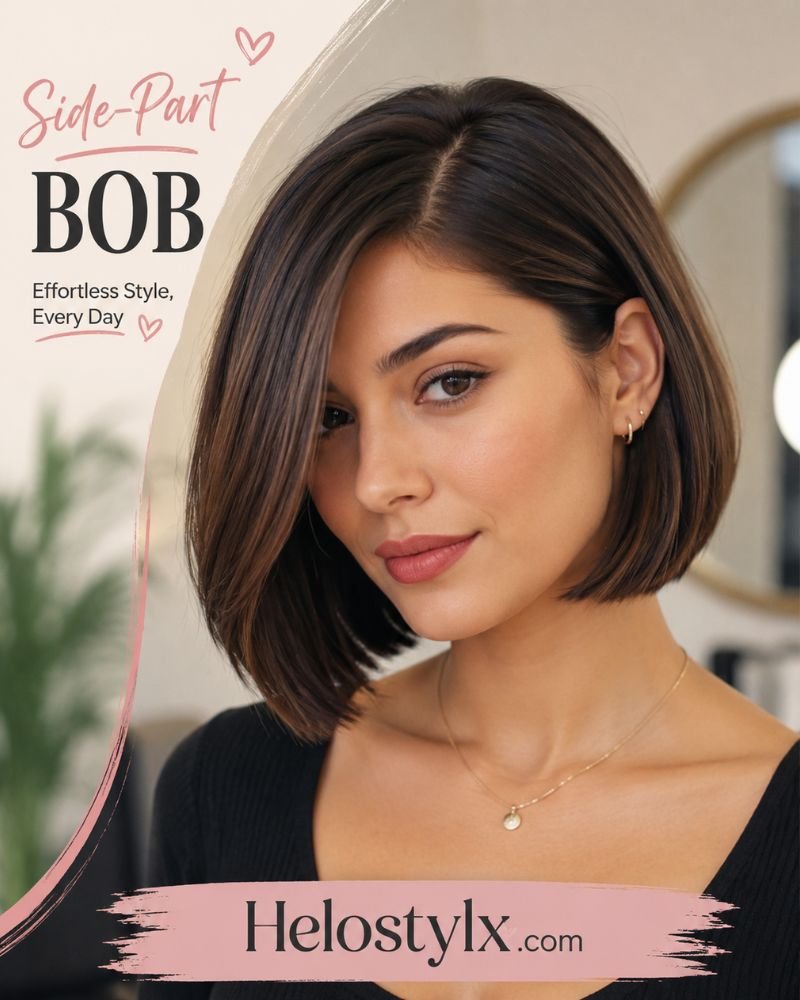
A deep side part shifts more weight to one side, creating asymmetry that can flatter rounder or fuller face shapes while keeping the blunt edge intact.
3. Highlighted Bob
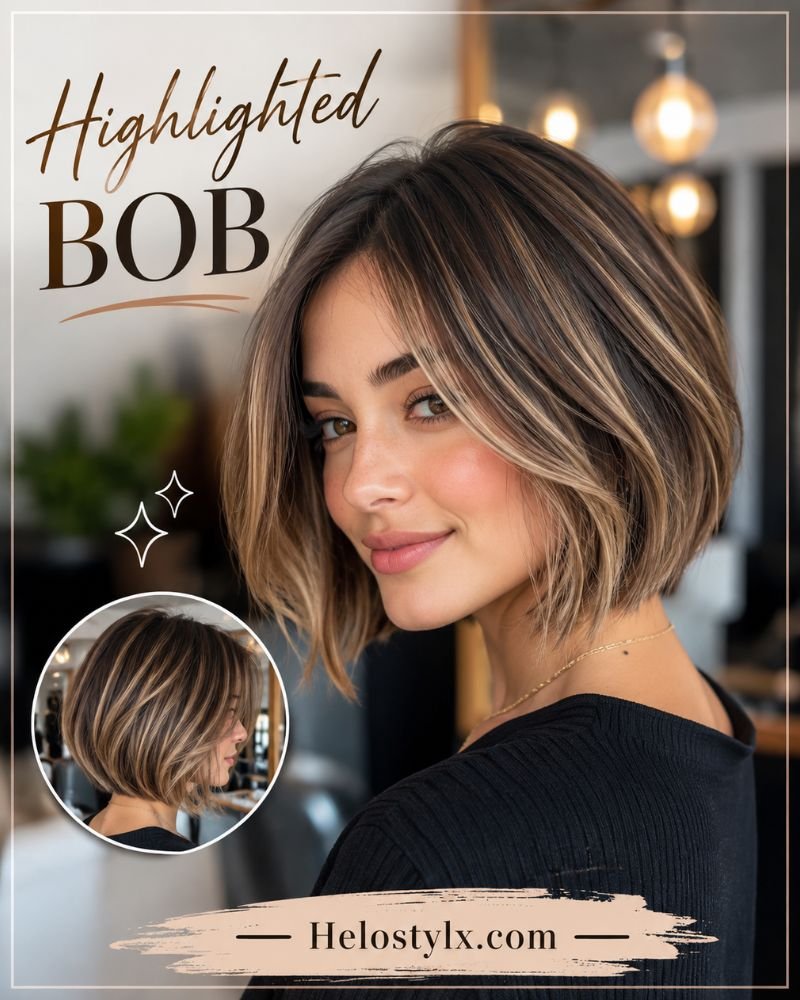
Subtle highlights, whether balayage or foiled, draw attention to the cut’s clean line by adding dimension that catches the light differently at the ends.
4. Bob with Bangs
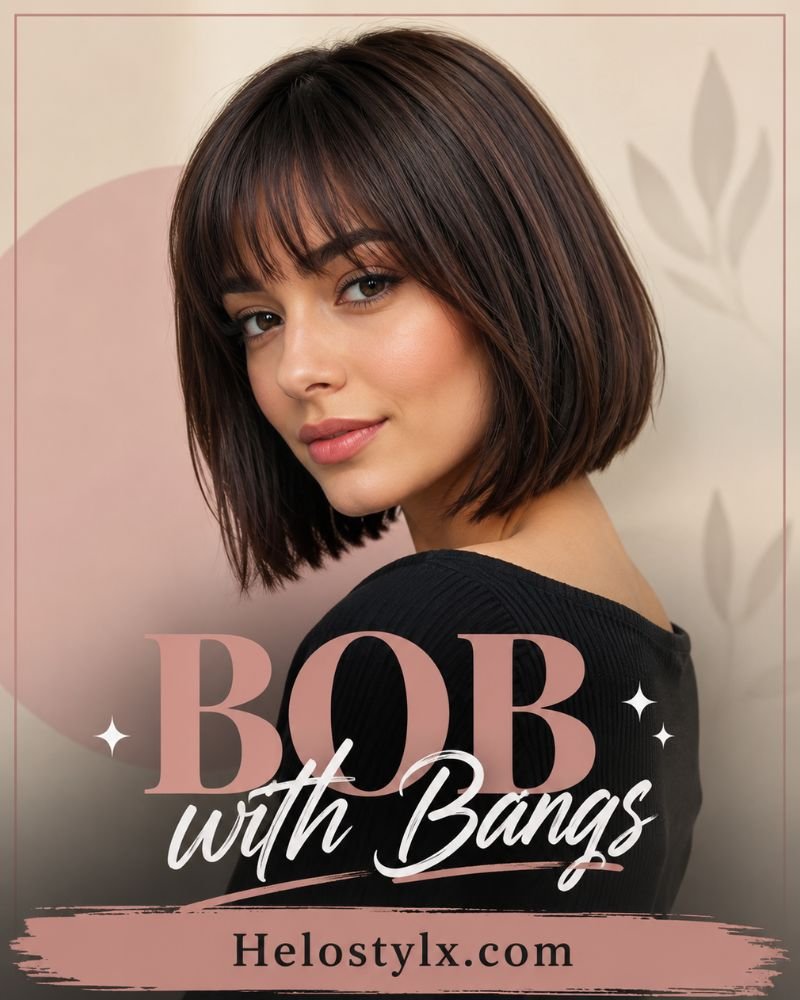
Pairing a blunt bob with full or curtain bangs frames the face and adds another sharp, graphic element to the overall look.
5. Layered Bob
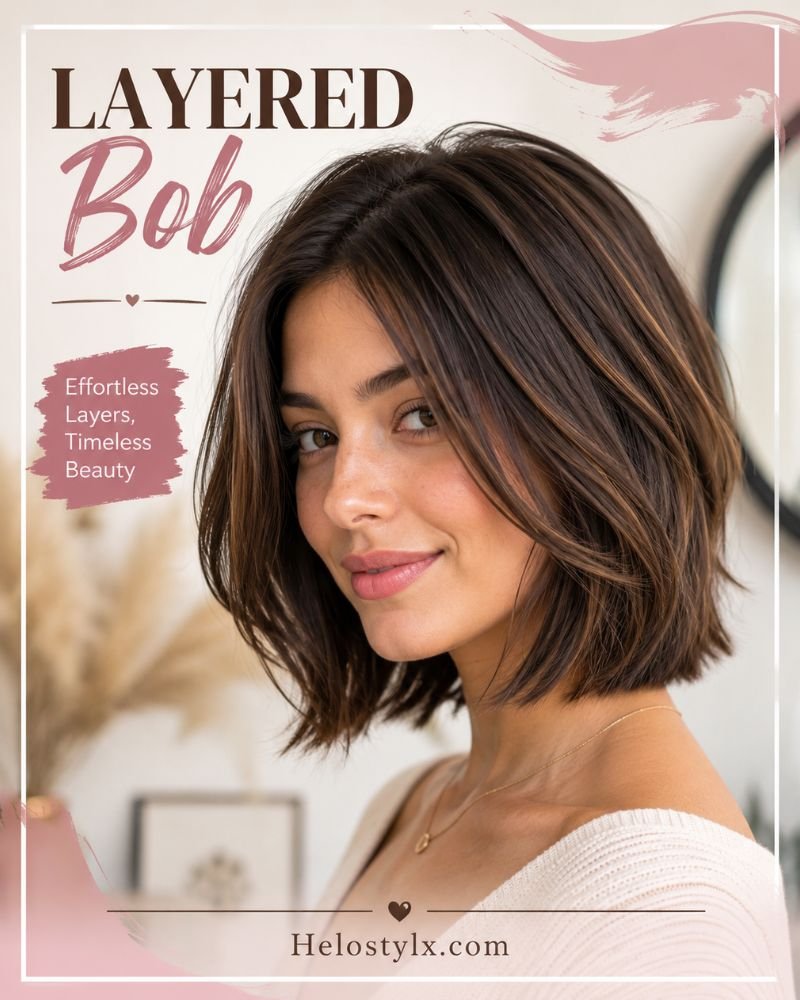
A slightly softened take that introduces subtle internal layers while keeping the perimeter blunt — ideal for those who want movement without losing the core silhouette.
6. Soft Bob
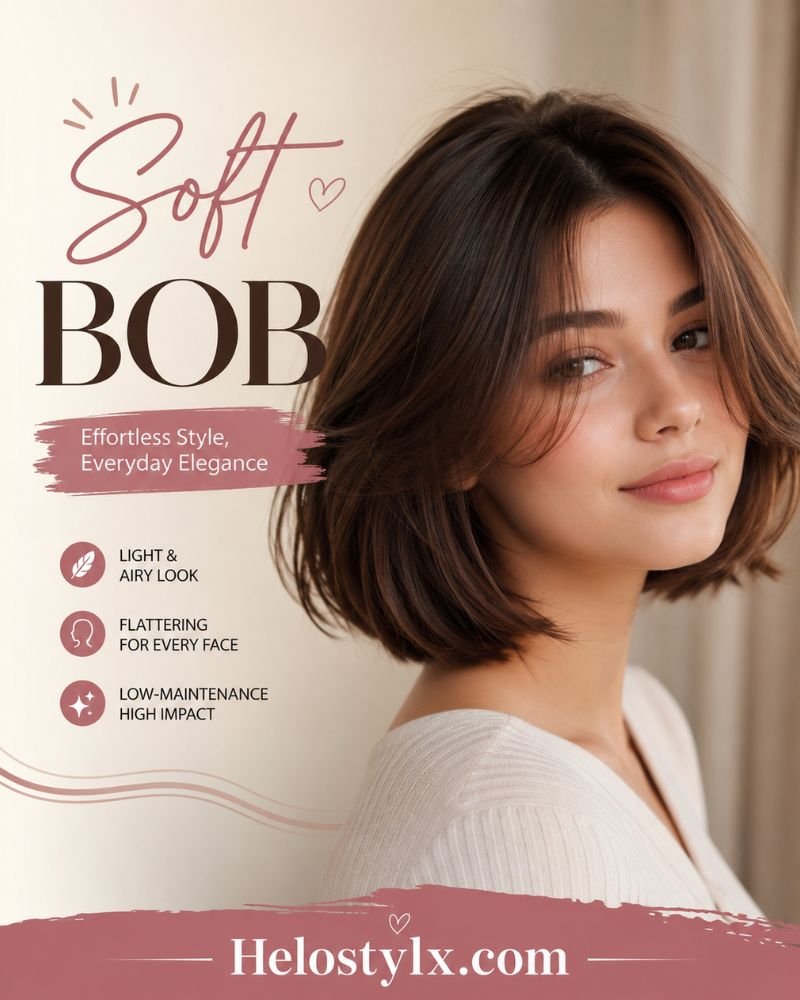
This version relies on gentle round-brushing or diffusing to take the edge off a fully blunt cut, resulting in a rounder, more relaxed finish.
7. Blonde Bob
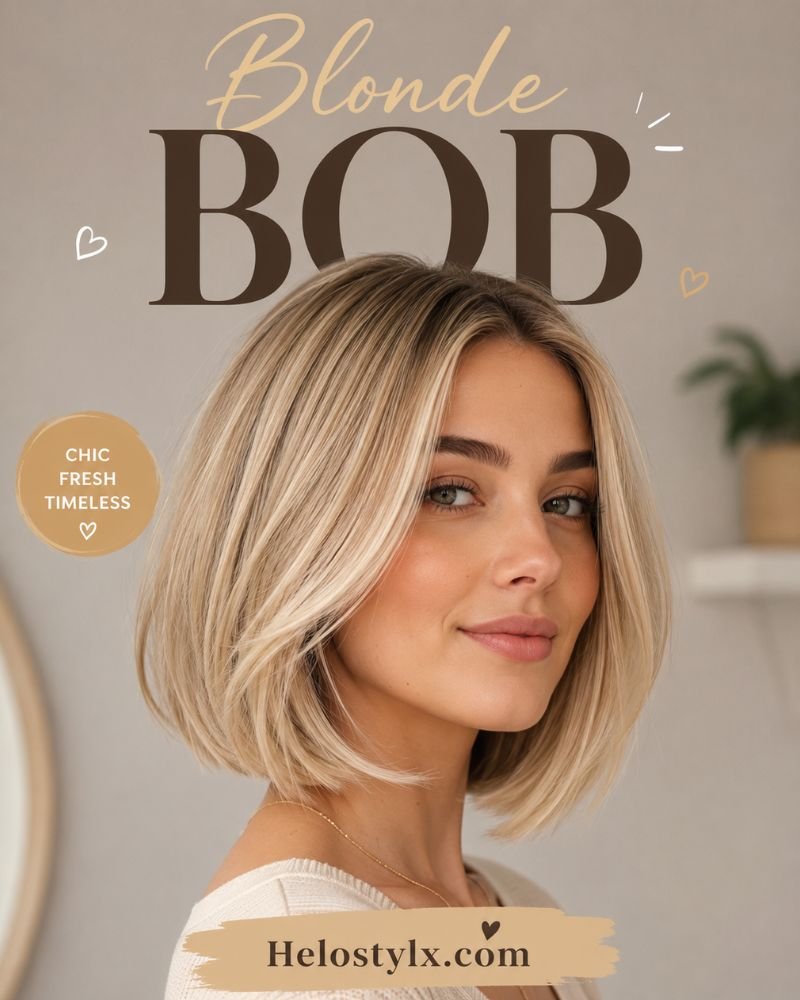
Whether platinum, honey, or buttery blonde, lighter shades make the blunt line especially striking, since color contrast highlights the precision of the cut.
8. Accessorized Bob
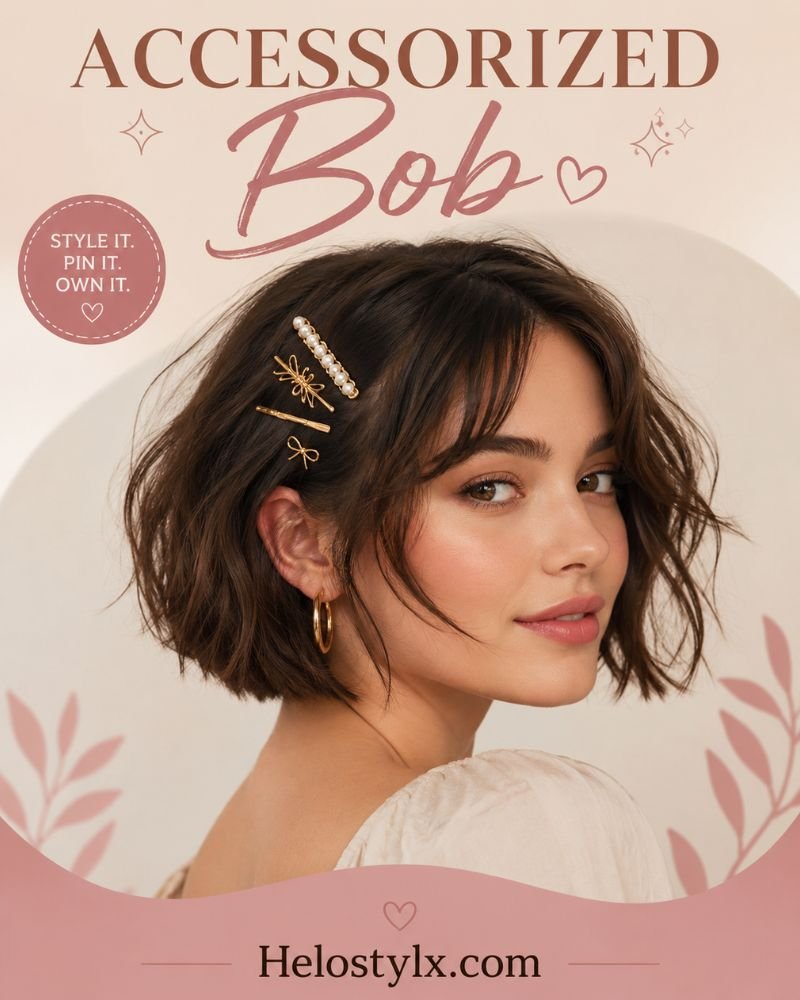
Clips, headbands, and silk scarves work beautifully with a blunt bob’s clean lines, giving you an easy way to change up the look without touching scissors.
9. Straight Bob
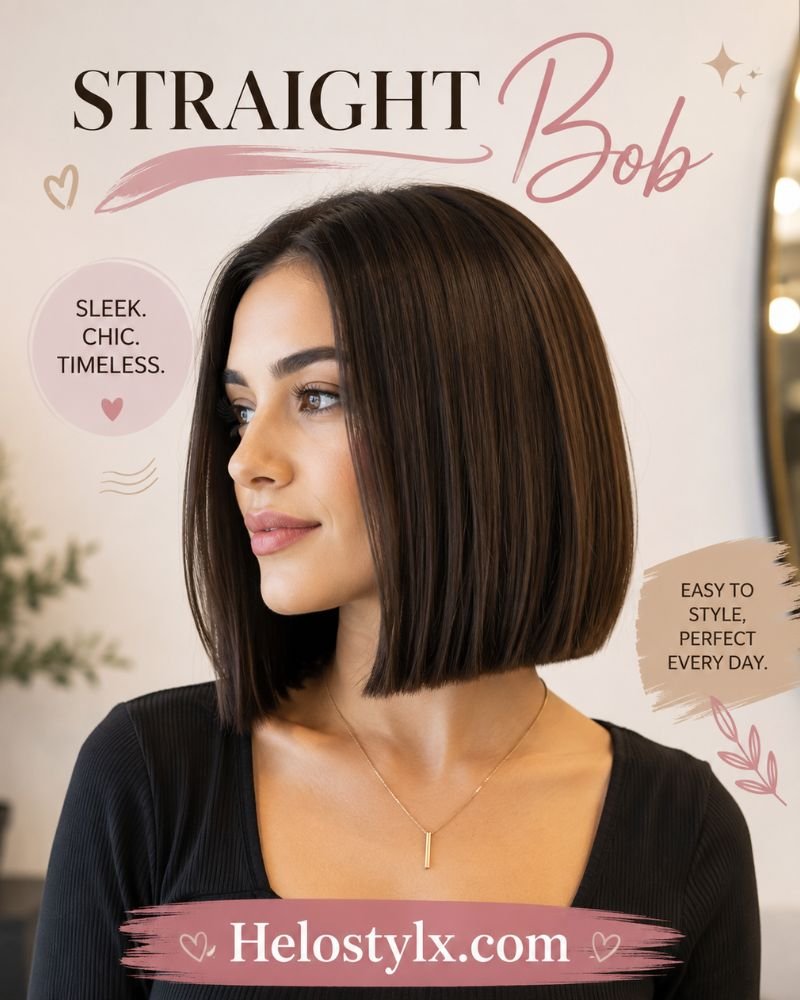
The most classic execution: hair blow-dried pin-straight to showcase the cut’s geometry at its sharpest and most graphic.
10. Short Bob
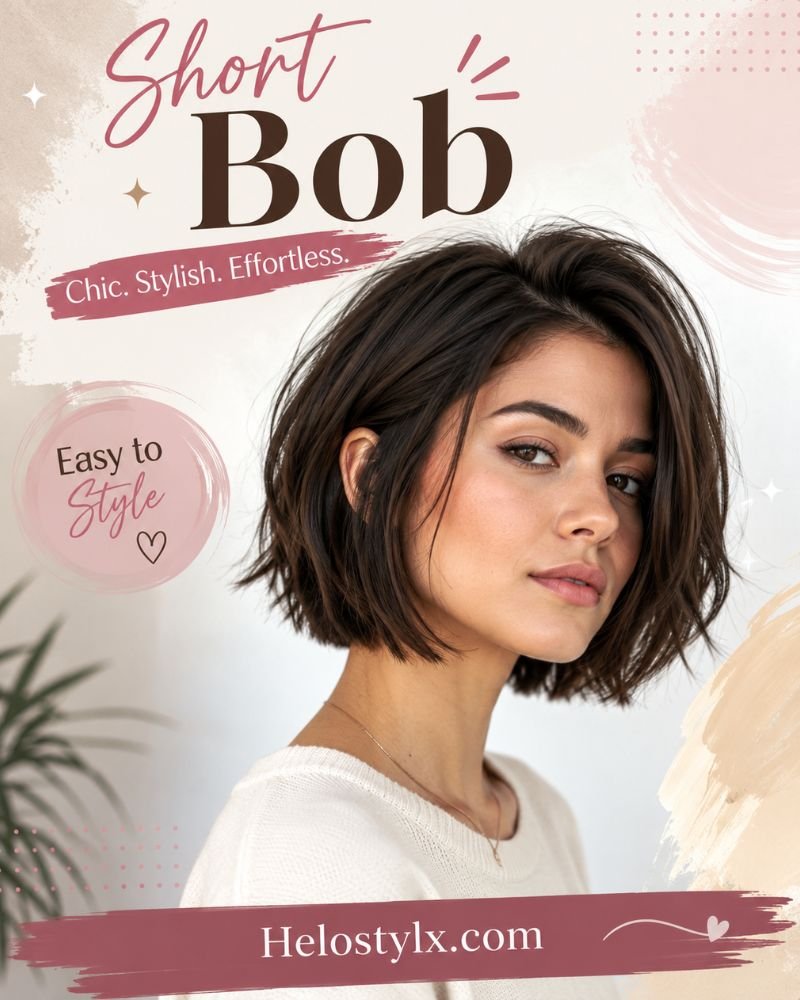
Cut just above or at the chin, this shorter take feels bold and modern, and tends to require more frequent trims to maintain its shape.
11. Blunt Bob with Layers
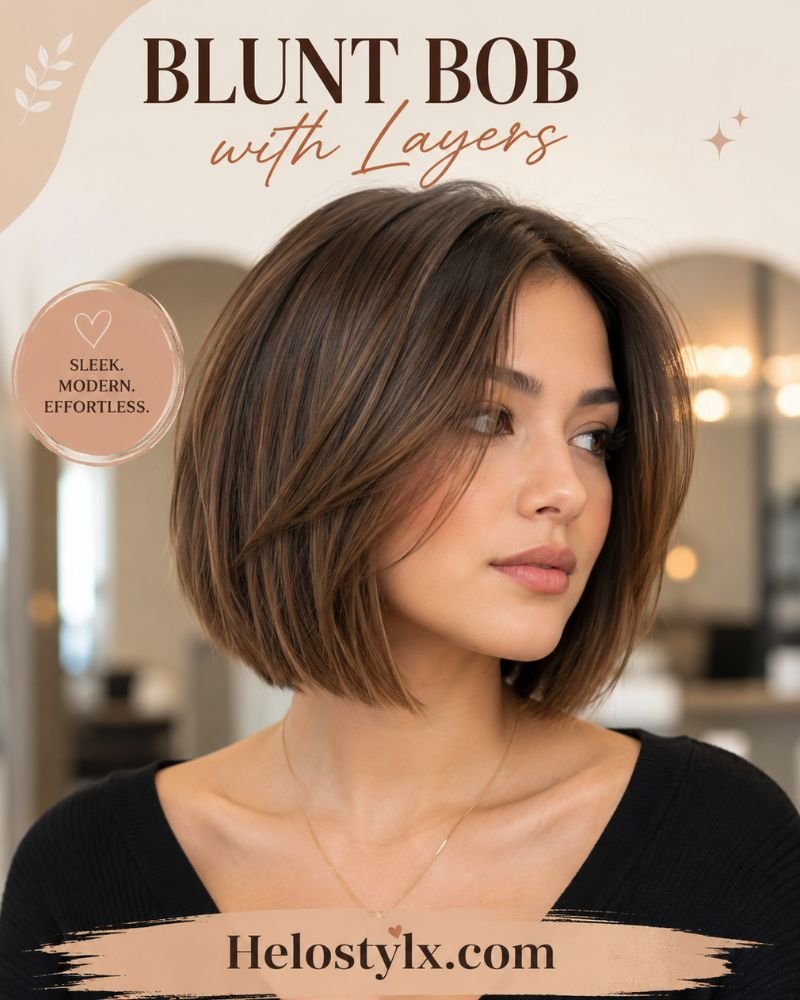
Slightly different from a standard layered bob, this version keeps the perimeter razor-sharp while adding face-framing layers only at the front.
12. Classic Blunt Bob
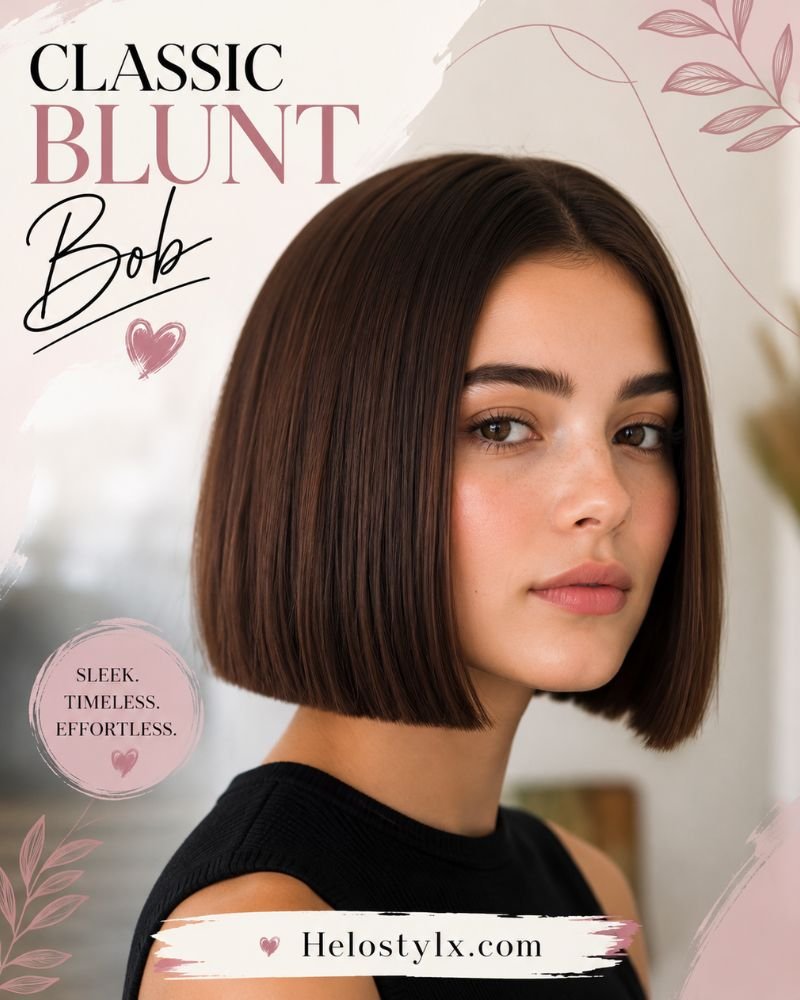
Shoulder-length, one uniform line, no bangs, no layers — this is the benchmark version that every other variation on this list borrows from.
Also Read This : 33 Best Low-Maintenance Haircuts for Thick Hair in 2026 (Easy & Stylish Ideas)
13. Curly Blunt Bob
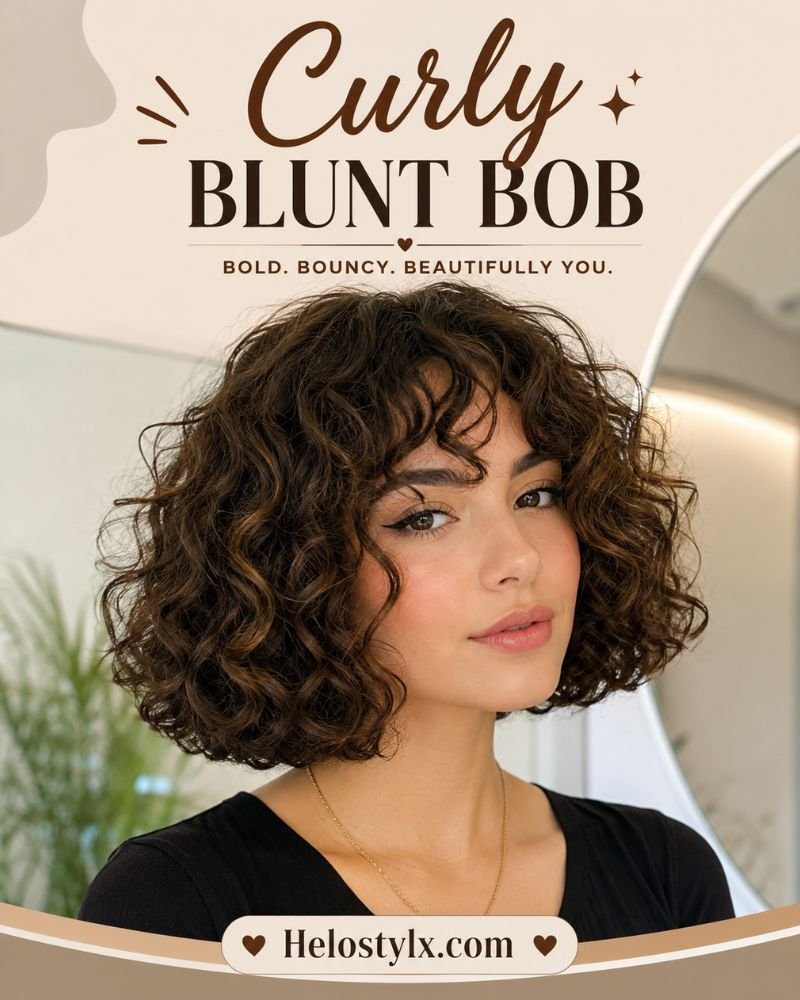
Natural curls cut blunt (ideally using a dry-cutting technique) create a rounded, voluminous shape where the blunt line appears as a defined outer curve.
14. Wavy Blunt Bob
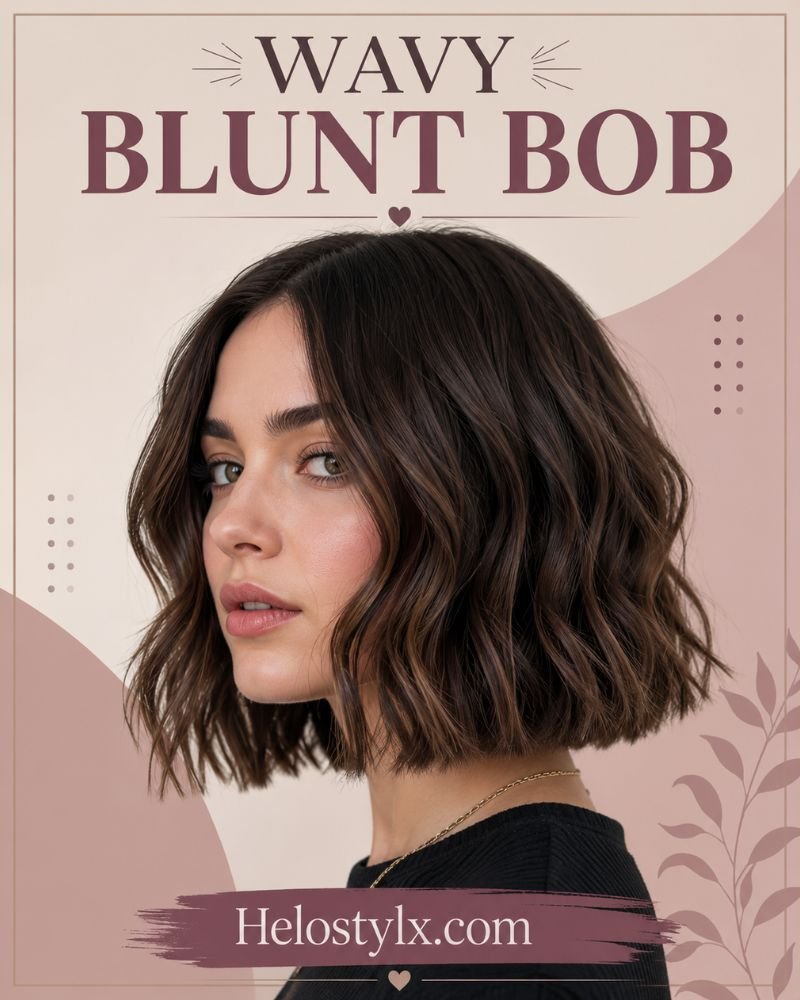
A middle ground between straight and curly, this style uses loose waves to add texture while the blunt ends still read clearly through the movement.
15. Italian Blunt Bob
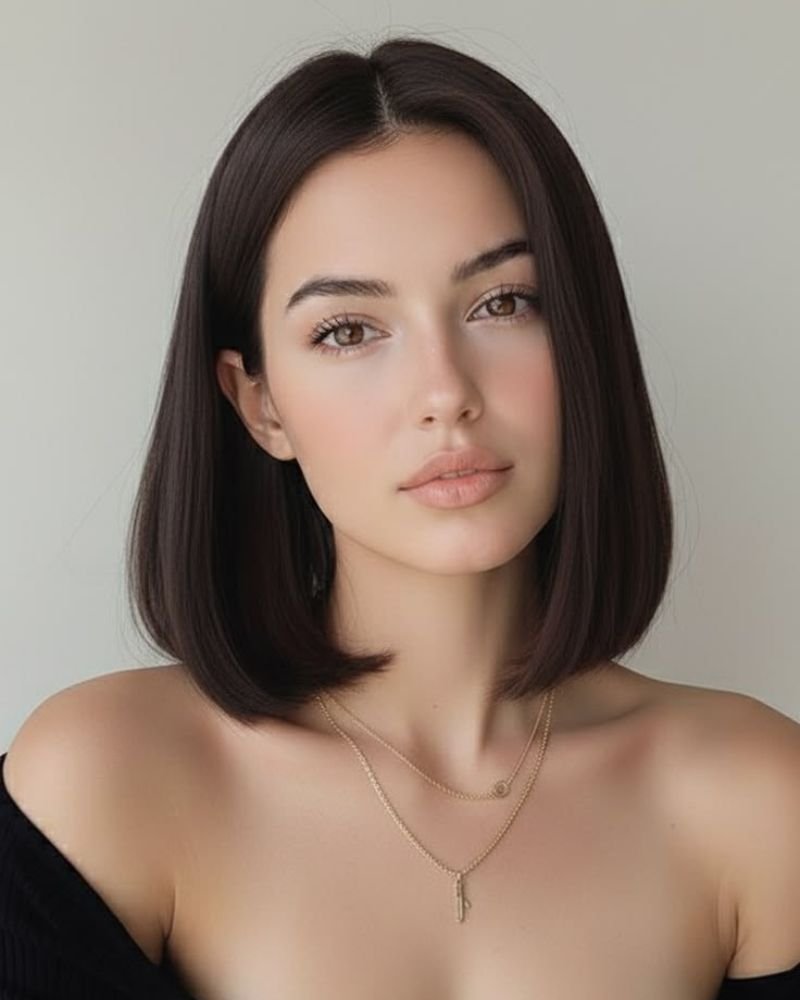
Slightly shorter and blunter than the classic version, often paired with heavy, blunt bangs — a style closely associated with a polished, European aesthetic and often finished with a glossy, high-shine treatment.
Key takeaways from these 15 styles:
- Bangs and layering can soften a blunt bob without eliminating its structure
- Color and highlights enhance the visibility of the cut’s clean edge
- Texture (straight, wavy, curly) changes the personality of the same base cut
- Length adjustments alone can shift a blunt bob from bold to subtle
How to Maintain a Blunt Bob
A blunt bob looks its best when the line stays crisp, which means upkeep matters more than with longer, layered cuts.
- Trim every 6–8 weeks to prevent the blunt edge from growing out unevenly
- Use a lightweight smoothing serum on straight versions to prevent flyaways from disrupting the line
- Blow-dry with a round brush for a rounder, bouncier finish, or a flat brush for maximum sharpness
- Sleep on a silk or satin pillowcase to reduce frizz and preserve shape between washes
- Apply a leave-in heat protectant before any hot tool use, since blunt ends show heat damage more visibly than layered ends
Blunt Bob vs. Other Bob Styles
It helps to see how a blunt bob compares to other popular bob variations before committing.
| Style | Edge Shape | Maintenance | Best For |
| Blunt Bob | Sharp, one-length | Moderate to high | Thick, straight, or wavy hair |
| Layered Bob | Feathered, graduated | Low to moderate | Fine hair needing movement |
| A-Line Bob | Angled, shorter at back | Moderate | Adding drama and asymmetry |
| Textured Bob | Choppy, piece-y ends | Low | Low-maintenance, tousled looks |
| Lob (Long Bob) | Varies | Low to moderate | Those transitioning from long hair |
For more inspiration on pairing your new cut with color, take a look at our related guide on balayage vs. highlights to see which coloring technique complements a blunt bob best.
If you want to see the cutting technique in action before your appointment, this tutorial on cutting a blunt bob is a helpful watch embedding it right after the “Classic Blunt Bob” section gives readers a visual reference at the most relevant point in the article.
For further reading on the technical side of precision haircutting, Wella Professionals’ guide to bob haircuts offers additional detail from a globally recognized hair education authority.
Conclusion
A blunt bob haircut offers a rare combination of structure and versatility, adapting easily to different hair types, textures, and face shapes while always keeping that signature clean line at its core. From the classic version to bold, colored, or textured takes, there’s a variation on this list suited to nearly any style goal.
Bring your favorite ideas from this guide to your next appointment, and don’t hesitate to ask your stylist which length and finish will work best for your unique hair. With the right cut and a little regular maintenance, a blunt bob can be one of the most rewarding changes you make this year.
