
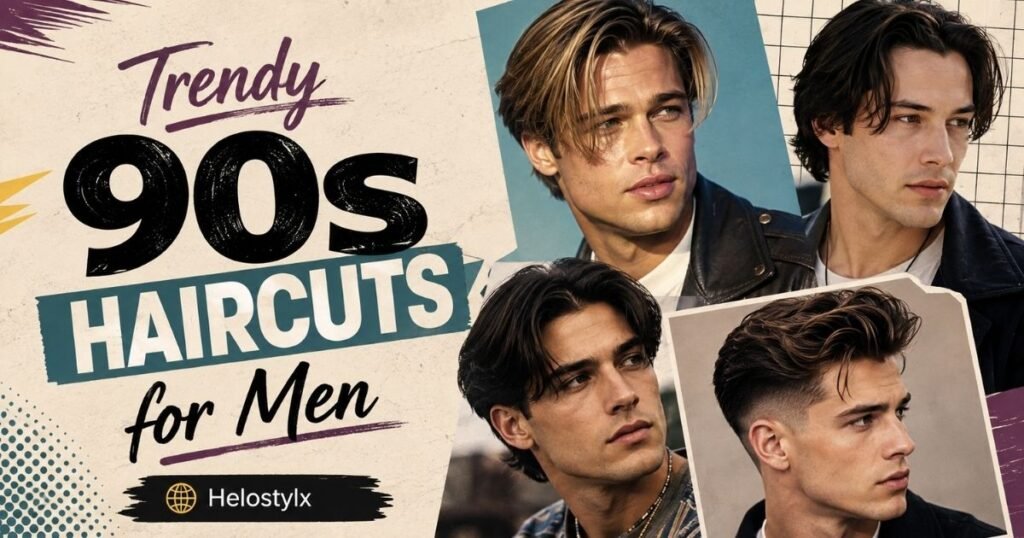
If you’ve scrolled through barbershop inspiration boards lately, you’ve probably noticed a pattern: 90s haircuts are everywhere again. From curtain fringes on runways to buzz cuts with sharp line-ups on the street, these throwback styles are dominating men’s grooming trends in 2026. Search interest for old-school cuts has climbed steadily over the past two years, and it’s not just nostalgia — barbers report that clients are actively requesting these looks by name.
This guide breaks down exactly why 90s haircuts are back, how to choose the right one for your face and hair type, and the twelve cuts worth showing your barber right now. Whether you want something low-maintenance for a busy week or a statement style that turns heads, there’s a version of this trend built for you. By the end, you’ll know exactly which cut to ask for, how to describe it so your barber gets it right the first time, and how to keep it looking sharp long after you leave the chair.
What Is A 90s Haircut for Men And Why It’s Trending Again
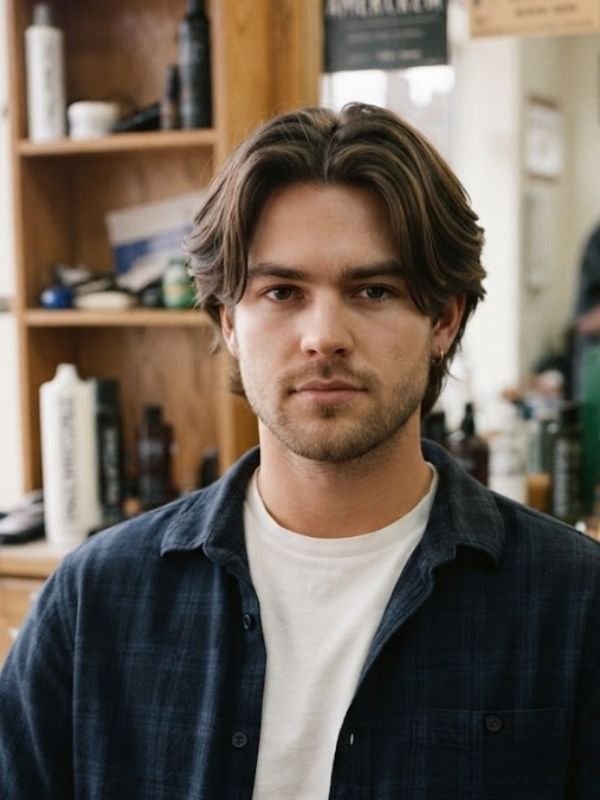
A 90s haircut for men refers to the hairstyles that defined the decade’s pop culture — think boy band curtains, skater-inspired shags, and clean-cut Caesar cuts worn by athletes and actors alike. These styles favored texture, movement, and a slightly undone finish over the rigid precision of earlier decades.
So why the comeback? Nostalgia is a huge driver. Millennials who grew up watching these cuts on TV are now in their 30s and 40s, and Gen Z has discovered them through streaming shows, throwback fashion, and social media edits of 90s icons. What was once a fashion memory for one generation is a fresh discovery for another, and that overlap is fueling demand at barbershops across the board.
There’s also a practical reason. Modern men want hairstyles that feel effortless but still look intentional. 90s haircuts strike that balance perfectly — they’re expressive without demanding hours of daily styling. Unlike some of today’s ultra-precise, high-maintenance trends, most 90s haircuts were designed to look good even when they weren’t perfectly styled, which appeals to guys who want a strong look without a complicated routine.
Fashion cycles also tend to run in roughly 20-to-30-year loops, and 2026 sits right in that sweet spot for 90s revival. Add in the influence of streetwear brands referencing the era and celebrities reviving iconic looks on red carpets, and it’s clear this isn’t a fleeting moment — it’s a full-fledged style movement.
Key Features of Classic 90s Men’s Hairstyles
Before diving into specific cuts, it helps to understand what makes a hairstyle distinctly “90s.” A few defining traits show up across nearly every style from this era.
- Natural texture over rigid structure — waves, curls, and slight messiness were embraced rather than flattened.
- Longer tops paired with shorter sides — a silhouette that created contrast and volume.
- Minimal reliance on heavy product — gel and mousse were common, but the goal was movement, not a helmet finish.
- Bold, confident shapes — flat tops, spikes, and curtains all made strong visual statements.
- Face-framing fringes — many cuts brought hair forward or to the sides rather than pushing everything back.
These features are exactly why 90s haircuts translate so well into 2026. They were never about perfection — they were about personality.
It’s also worth noting that many 90s haircuts were built around versatility. A curtain cut could be worn sleek for a formal event or tousled for a casual weekend. A Caesar cut looked equally at home on an athlete or an office worker. That adaptability is a big reason these styles have aged so well, and it’s part of why modern men find them easy to adopt without overhauling their entire personal style.
How Modern Barber Techniques Update 90s Haircuts
The biggest difference between a 90s haircut then and now isn’t the silhouette — it’s the execution. Today’s barbers use sharper fading tools, precision clippers, and razor techniques that simply weren’t standard thirty years ago.
Modern fades blend seamlessly into longer top sections, something that older 90s cuts often lacked. Texturizing shears now create movement without the bulk that made some 90s styles look flat or heavy.
Barbers also use lightweight, matte-finish products instead of the greasy gels of the past. The result is a cut that keeps the nostalgic silhouette but looks noticeably cleaner and more refined.
Color techniques have advanced too. Where 90s frosted tips relied on harsh bleach applied all over, today’s colorists use dimensional balayage and hand-painted highlights that look far more natural under everyday lighting. Even something as simple as a fade has evolved — barbers now blend multiple guard lengths within a single haircut to create a gradient effect that older clipper work couldn’t achieve. These small technical upgrades are the reason a 2026 version of a 90s haircut looks intentional rather than dated.
How To Choose The Right 90s Haircut Men For Your Face Shape And Hair Type
Not every 90s haircut works for every guy. The trick to finding your best 90s haircut men can actually pull off long-term is matching the cut to your natural face shape, hair texture, and lifestyle.
Best 90s Haircuts for Round, Oval, Square Faces
Face shape has a huge influence on how a hairstyle sits and flatters your features.
- Round faces benefit from styles with height and angles, like a flat top or a high top fade, which elongate the face visually.
- Oval faces are the most versatile — nearly every 90s cut, from curtains to spiky textured hair, works well here.
- Square faces look great with softer, textured styles like the shaggy medium length cut or grunge layered hair, which balance out strong jawlines.
Straight, Wavy, and Curly Hair 90s Styles
Hair texture determines how easily a style holds its shape and how much daily effort it requires.
- Straight hair suits sleek options like the Caesar cut or side part 90s style, since it holds crisp lines well.
- Wavy hair is ideal for the curtain haircut and shaggy cuts, where natural movement enhances the look.
- Curly hair thrives with spiky textured hair or grunge layered hair, letting natural curl patterns do most of the work.
Low Maintenance vs High Styling 90s Cuts
If you’re short on time each morning, prioritize cuts like the buzz cut with line up or short tapered cut. If you enjoy styling and want a statement look, options like the flat top or spiky textured hair reward a few extra minutes with product.
Top 12 Trendy 90s Haircut Styles For Men In 2026
Here’s the complete breakdown of the best 90s haircuts men are requesting at barbershops this year, along with who each style suits best.
1. Curtain Haircut (Middle Part)
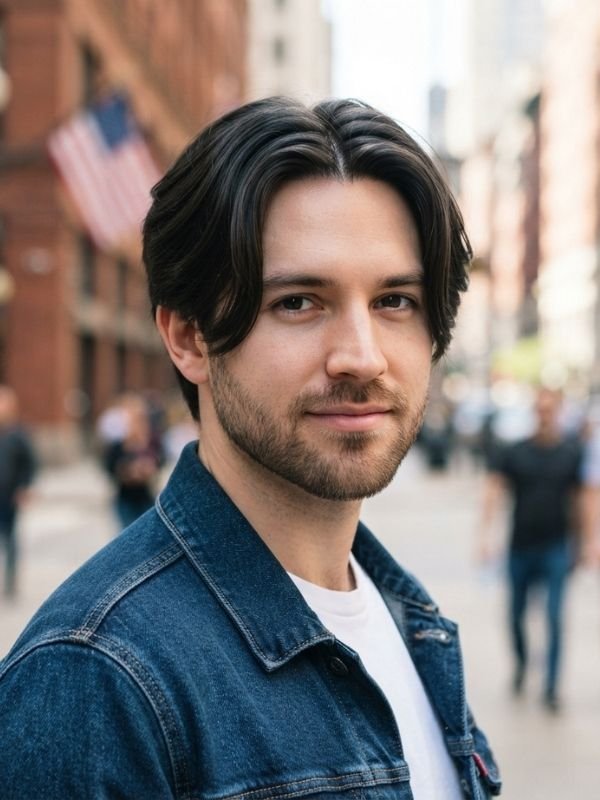
The curtain haircut is arguably the most iconic 90s hairstyle, popularized by boy bands and heartthrob actors. Hair is parted in the middle and swept gently to each side, framing the face like, well, curtains.
This style works best on straight to wavy hair with medium length. It’s low maintenance once grown out, requiring just a light styling cream to keep the part in place.
The growing-out phase can feel awkward for a few weeks, so most barbers recommend committing to at least three months before judging the final result. Once the length settles in, a simple blow-dry with your fingers is usually enough to recreate the look each morning.
Best for: Oval and heart-shaped faces, straight or wavy hair.
2. Caesar Cut
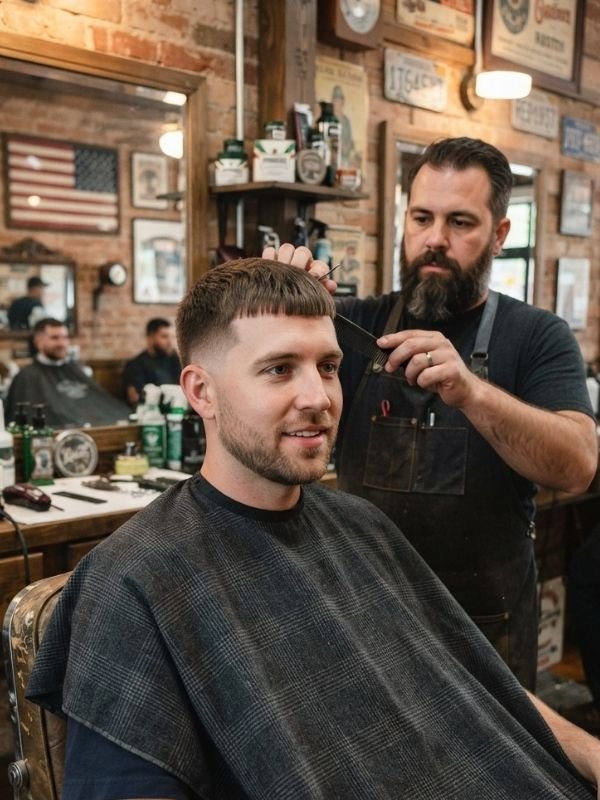
Named after Julius Caesar’s signature crop, this cut features short, horizontally fringed hair combed forward. It gained massive popularity in the 90s thanks to actors and NBA stars who wanted a clean, no-fuss look.
The Caesar cut is one of the easiest 90s haircuts men can maintain daily since it requires almost no styling — just a quick comb or finger-tousle.
Best for: Straight hair, receding hairlines, professional settings.
3. Buzz Cut with Line Up
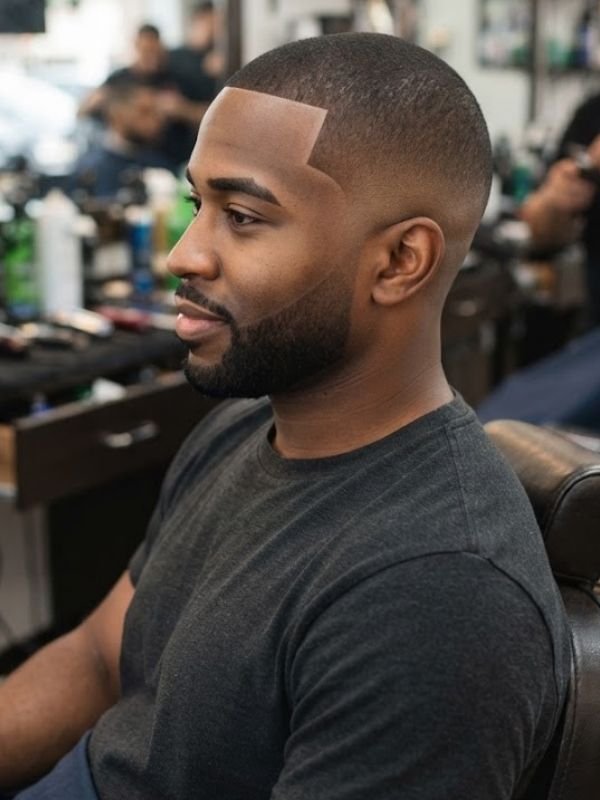
A step up from the plain buzz cut, this version adds a crisp, defined line at the hairline and temples for a sharper finish. It was a staple among 90s hip-hop culture and streetwear icons.
This is the ultimate low-maintenance option on this list — no styling products, no daily fuss, just regular touch-ups every two to three weeks.
Best for: All face shapes, thinning hair, active lifestyles.
4. Flat Top or High Top Fade
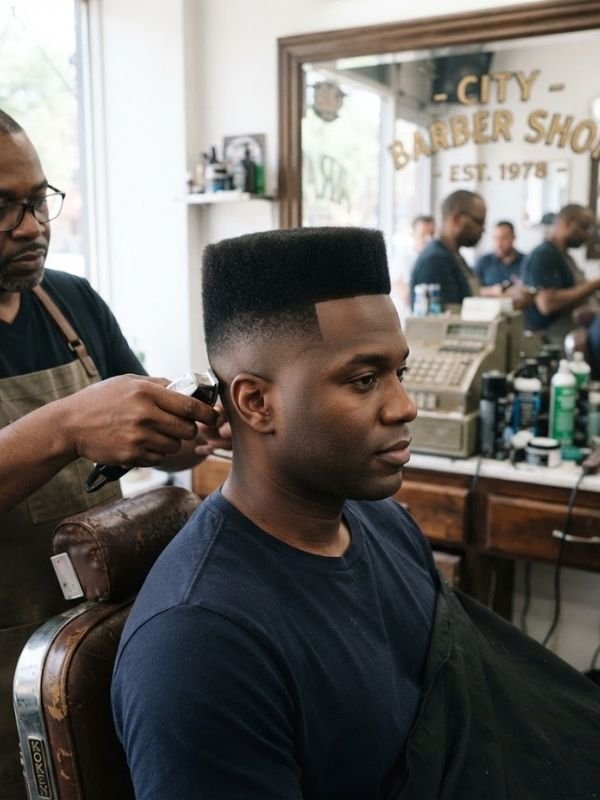
The flat top and high top fade were bold statement cuts in the 90s, especially within streetwear and skate culture. Hair on top is cut flat and square, creating height, while the sides are faded close.
This style demands more upkeep — pomade or wax is needed to maintain the flat shape — but the visual payoff is worth it for guys wanting standout 90s haircuts.
Achieving a truly flat top requires a barber comfortable working with clippers held flush against a flat-top comb, so it’s worth confirming they’ve done this cut before booking. Daily maintenance involves a quick blow-dry with a paddle brush pushing hair upward before locking the shape in with a firm-hold product.
Best for: Round or square faces, thick straight or coily hair.
5. Spiky Textured Hair
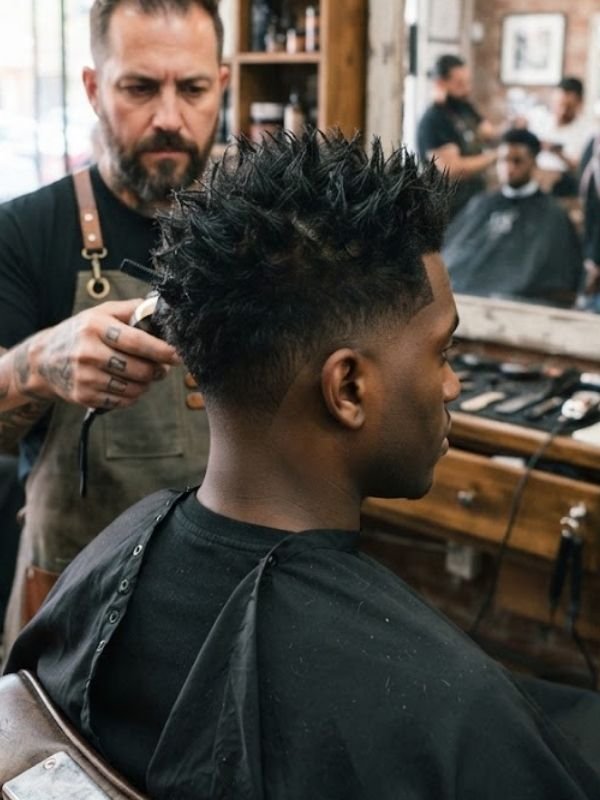
Spiky hair defined late-90s style, from music videos to teen sitcoms. Short to medium layers are pushed upward and outward using a matte paste or wax for a textured, piecey finish.
Unlike the shiny gel spikes of the original era, 2026 versions use matte products for a more natural, less “wet-look” finish.
Best for: Thick or wavy hair, guys who enjoy daily styling.
6. Grunge Layered Hair
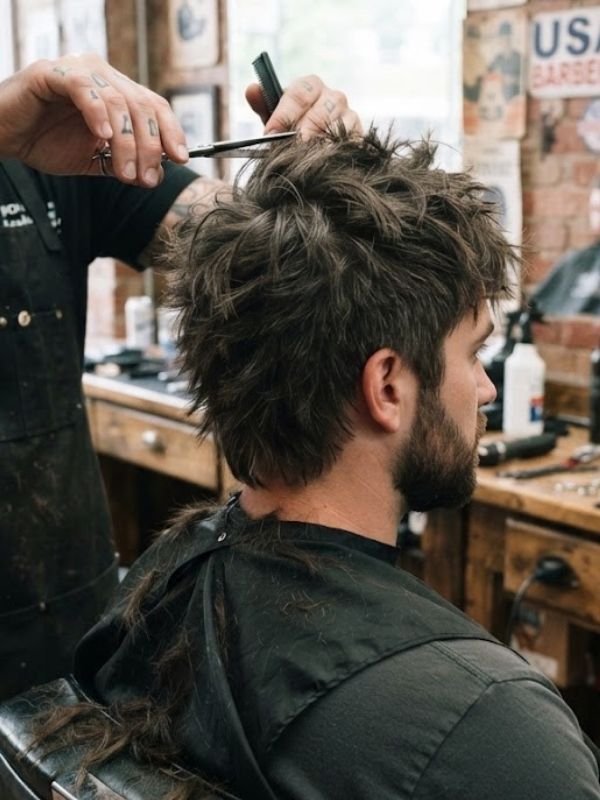
Inspired by 90s alternative rock and grunge culture, this cut features longer, choppy layers with an intentionally undone texture. It’s messy but never sloppy.
Grunge layered hair works beautifully on naturally curly or wavy hair, since the texture does most of the styling work for you.
Best for: Square or oval faces, wavy or curly hair, low-key styling routines.
7. Short Tapered Cut
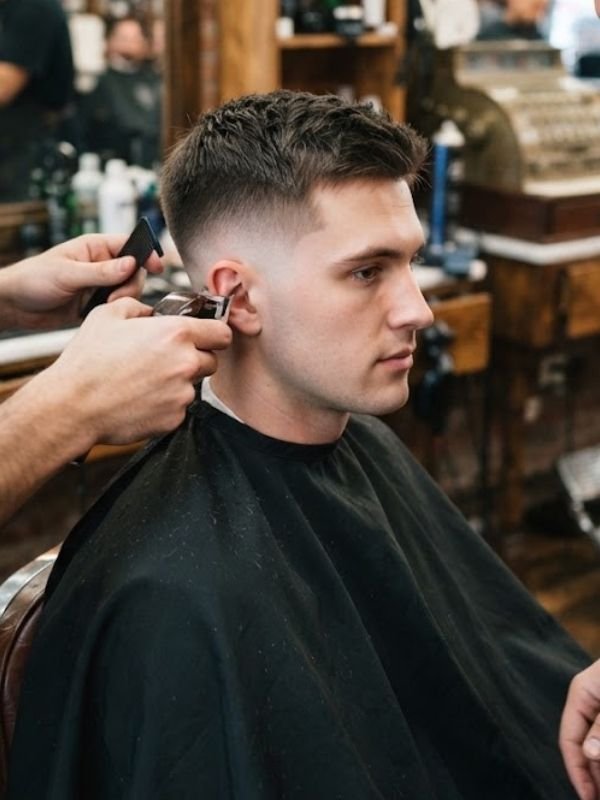
The short tapered cut is a versatile, classic option that gradually shortens hair from the crown down to the neckline. It’s clean, professional, and pairs well with almost any top length.
This cut bridges the gap between full 90s haircuts and modern office-appropriate grooming, making it a favorite for guys who want subtle nostalgia.
Best for: All face shapes, straight to wavy hair, professional environments.
8. Side Part 90s Style
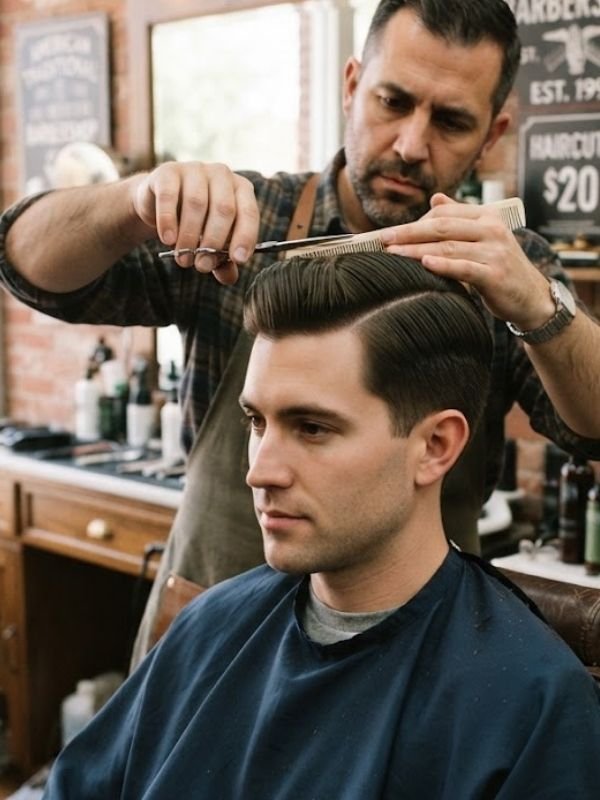
A refined alternative to the curtain cut, the side part features hair combed to one side with a defined parting line. It carries a slightly more polished, formal edge than other 90s haircuts on this list.
Light pomade or cream keeps the part crisp throughout the day without looking overly styled.
Best for: Oval and long faces, straight hair, business-casual settings.
Also Read This for woman : Shag Haircuts for Older Women: 12 Flattering Cuts for 2026
9. Shaggy Medium Length Cut
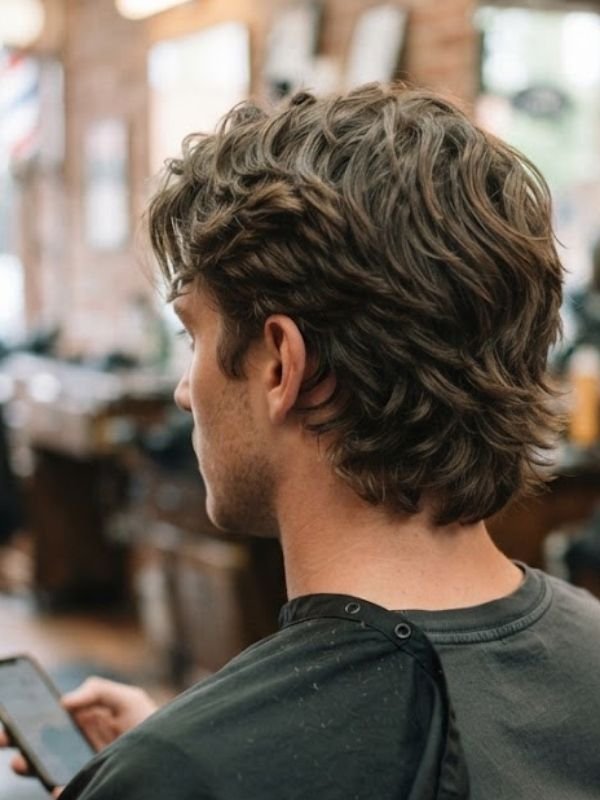
The shaggy cut brings together choppy layers, a slightly overgrown look, and natural movement. It was a go-to style for 90s alternative and indie music fans.
This is one of the more forgiving 90s haircuts men can grow out gracefully, since the layered structure hides regrowth well between barber visits.
Because the layers are cut to move independently, this style also handles humidity and second-day hair better than sleeker options. A light sea-salt spray on damp hair can enhance the natural texture without weighing it down.
Best for: Square and heart-shaped faces, wavy or curly hair.
10. Taper Fade with Volume
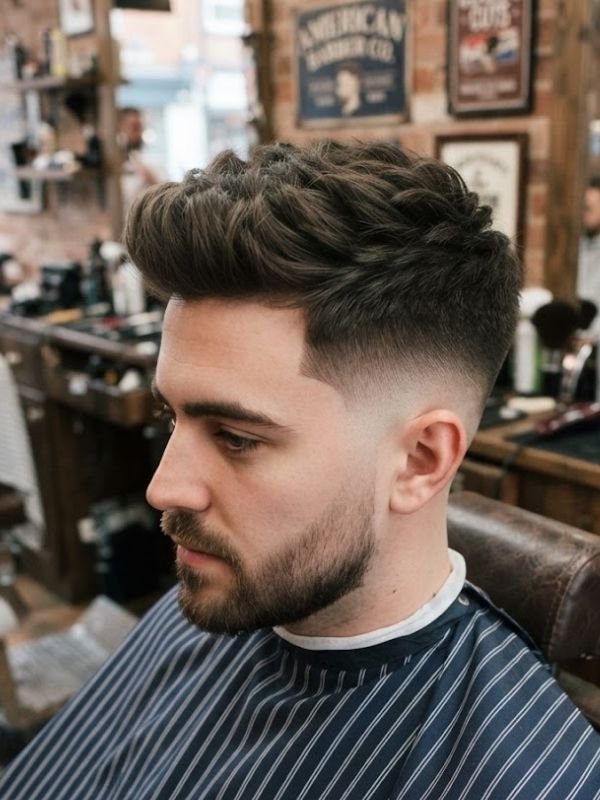
This modern-leaning option combines a tight taper fade on the sides with noticeable volume and texture on top. It’s essentially a 2026 remix of 90s volume trends using contemporary fading techniques.
The contrast between the tight sides and voluminous top makes this one of the most eye-catching 90s haircuts for guys wanting a bold silhouette.
Best for: Round and oval faces, thick or curly hair.
11. Clean Ivy League Inspired 90s Cut
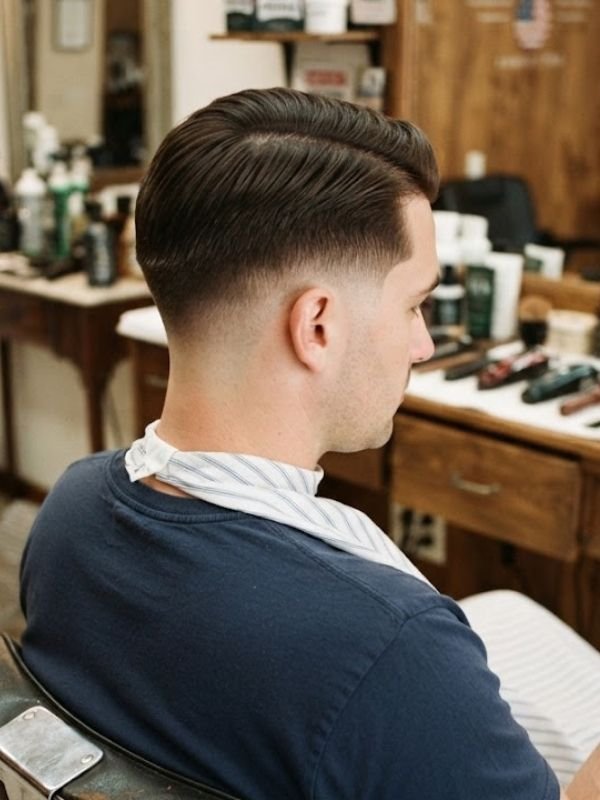
A slightly longer, more refined take on the classic crew cut, the Ivy League style keeps hair short on the sides with a bit more length on top for light styling options.
It’s a subtle nod to 90s preppy style and works exceptionally well in corporate or formal environments.
Best for: All face shapes, straight hair, professional settings.
12. Modern Frosted Texture Variation
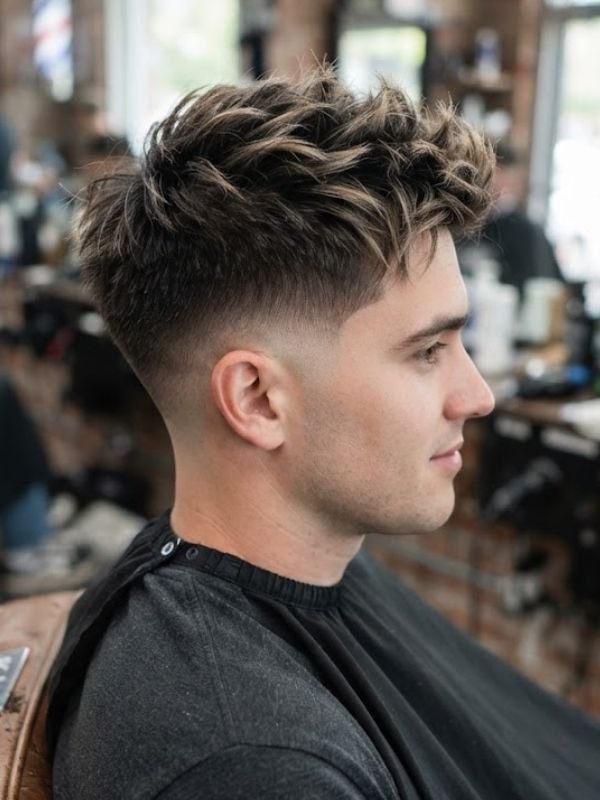
Frosted tips were a bold, unmistakable 90s trend. The 2026 version dials back the intensity, using subtle balayage-style highlights on textured spikes or curtain styles rather than full platinum tips.
This is the most fashion-forward pick on the list, ideal for guys who want to reference the trend without fully committing to the original look.
Best for: Fashion-conscious guys, thick or wavy hair, creative industries.
How To Ask Your Barber For A 90s Haircut Without Confusion
Walking into a barbershop and simply saying “give me a 90s haircut” often leads to miscommunication. Barbers need specifics to nail the exact look you want.
Exact Phrases to Use
Instead of vague requests, try phrases like these:
- “I want a curtain fringe with a middle part, medium length on top.”
- “Caesar cut, short and combed forward, low maintenance.”
- “Buzz cut with a sharp line up around the hairline and temples.”
- “High top fade, flat on top, tapered sides.”
Being specific about length, fade type, and styling direction dramatically improves your results.
What Photos to Bring
Reference photos remain the single best communication tool in any barbershop. Bring two or three images showing:
- The front view of the hairstyle
- The side profile, especially for fades or tapers
- The back, if the cut includes layering or a defined neckline
Avoid pulling photos from decades-old movies without context — pair them with a modern reference so your barber understands you want an updated version, not an exact replica.
Common Mistakes to Avoid
Steer clear of these frequent missteps when requesting 90s haircuts:
- Asking for a style without mentioning your hair type or texture.
- Forgetting to specify fade length (low, mid, or high).
- Not communicating how much daily styling time you’re willing to invest.
- Assuming your barber remembers exact preferences from a previous visit.
- Requesting a style that doesn’t account for a receding hairline or thinning crown, which can affect how certain 90s haircuts sit.
If you’re unsure how a cut will translate to your hair type, ask your barber for their honest opinion before they start cutting. A good barber would rather adjust the plan upfront than deliver a result that doesn’t match your expectations.
How To Style And Maintain 90s Haircuts In 2026
Styling has evolved significantly since the original 90s haircuts trend. Getting the look right today isn’t about recreating exactly what you remember from old photos — it’s about applying the right modern product and technique to that classic shape. Here’s how to keep your cut looking sharp with current products and techniques.
- Use matte pastes over gels for texture-heavy styles like spiky hair or grunge layers — this avoids the dated “wet look.”
- Apply lightweight pomade for side parts and curtain cuts to maintain hold without stiffness.
- Blow-dry with a round brush for flat tops and high-volume styles to build structure before applying product.
- Schedule fade touch-ups every 2–3 weeks for buzz cuts, tapers, and line-ups to keep edges crisp.
- Use a wide-tooth comb on damp hair for shaggy and curtain styles to encourage natural texture without frizz.
Maintenance frequency ultimately depends on which of the 90s haircuts you choose — shorter, faded styles need more frequent barber visits, while longer, textured cuts offer more flexibility between appointments.
It’s also worth investing in a quality heat protectant if you regularly blow-dry your hair to build volume, since repeated heat styling without protection can dry out hair faster than expected. A once-a-week deep conditioning treatment helps keep textured cuts looking healthy rather than frizzy or brittle, especially through seasonal changes in humidity.
90s Haircuts Then Vs Now: What’s Changed
The core silhouettes of 90s haircuts haven’t changed much, but the execution has been transformed by better tools, techniques, and product formulations.
| Then (1990s) | Now (2026) |
| Heavy gel for shine and hold | Matte pastes and clays for natural texture |
| Manual clipper fades, less precision | Blended, seamless fades using precision guards |
| Uniform lengths across sides | Personalized tapering based on face shape |
| Limited color options (frosted tips) | Subtle balayage and dimensional highlights |
| One-size-fits-all styling advice | Face-shape and hair-type customized recommendations |
This evolution is exactly why 90s haircuts feel fresh again rather than like a costume — they’ve been refined, not just recycled.
Final Thoughts
90s haircuts have earned their comeback for good reason. They offer bold personality, genuine versatility, and — thanks to modern barbering techniques — far more polish than the originals ever had. Whether you gravitate toward the effortless Caesar cut, the statement-making flat top, or the ever-popular curtain haircut, there’s a 90s-inspired style suited to your face shape, hair texture, and daily routine.
The best part? You don’t have to choose between nostalgia and looking current. With the right cut, the right barber conversation, and a few modern styling tweaks, 90s haircuts fit seamlessly into 2026 without feeling like a throwback costume.
Frequently Asked Questions About 90s Haircuts For Men
What are the most popular 90s haircuts for men in 2026?
The curtain haircut, Caesar cut, and buzz cut with line up are the most requested 90s haircuts right now.
Are 90s haircuts still in style for men?
Yes, 90s haircuts are back in style thanks to nostalgia trends and updated, more refined barbering techniques.
What 90s haircut works best for curly hair?
Grunge layered hair and spiky textured hair work best for curly hair since they embrace natural texture.
How do I ask my barber for a 90s haircut?
Name the exact style, specify length and fade type, and bring a clear reference photo.
