
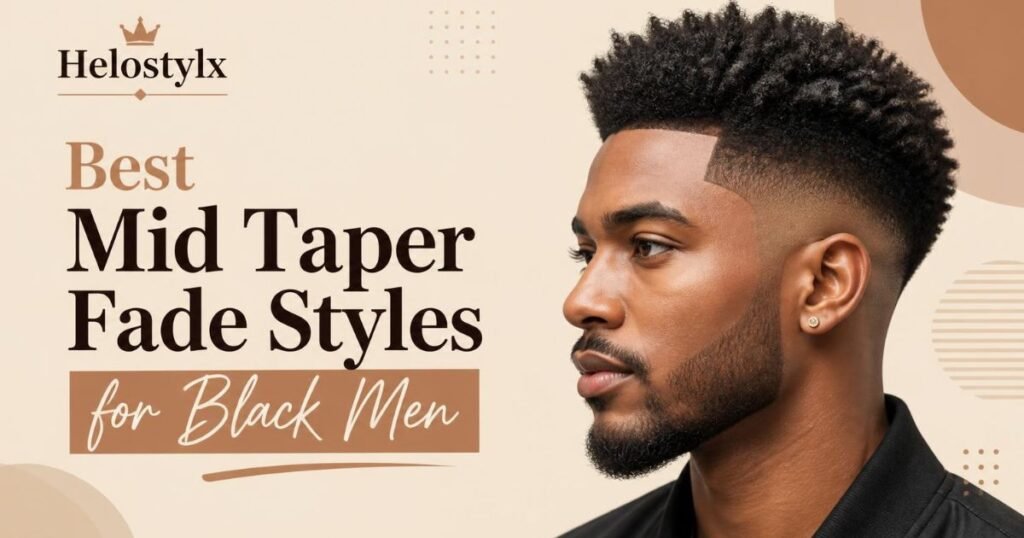
If you’ve been scrolling barbershop reels trying to find “the one,” you already know the search is exhausting. Here’s the short version: a mid taper fade black male cut is the single most requested style walking into shops right now, and for good reason. It sits in the sweet spot — sharper than a low fade, less dramatic than a high fade — and it works with almost every hair type, from tight coils to loose curls to locs.
This guide breaks down 18 real, wearable variations of the mid taper fade, matched to hair texture, face shape, and age group, plus the maintenance and barber-conversation tips that keep the cut looking fresh between visits. No filler, just what actually works in the chair.
Short Mid Taper Fade Styles for Black Men
Short styles are the foundation of the mid taper fade black male look — low maintenance, sharp lines, and a clean canvas that grows out well.
1. Buzz Cut with Mid Taper Fade
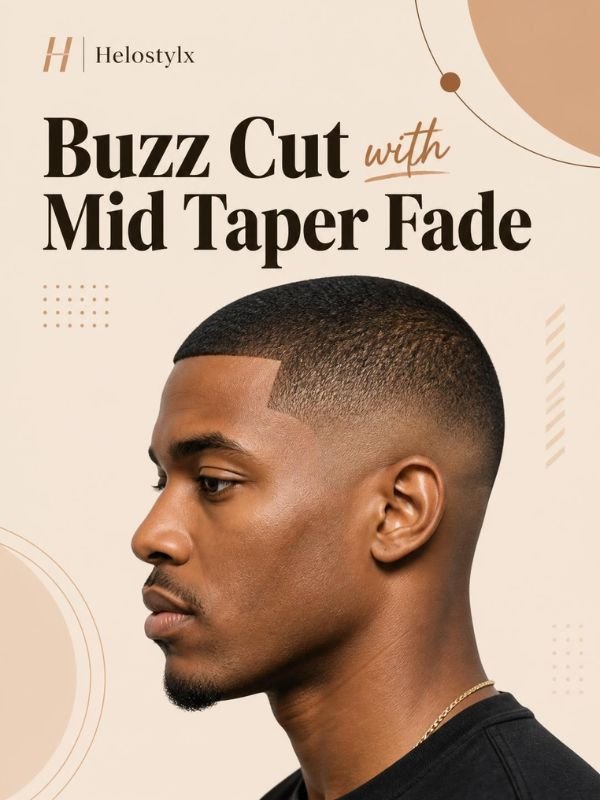
A uniform buzz on top, blended into a mid taper on the sides. This is the lowest-maintenance option on the list and the easiest to keep sharp with a home trimmer between shop visits.
Best for: busy schedules, first-time fade wearers Works with: 4C hair, thick hair, thin hair
2. Low Cut Tapered Sides
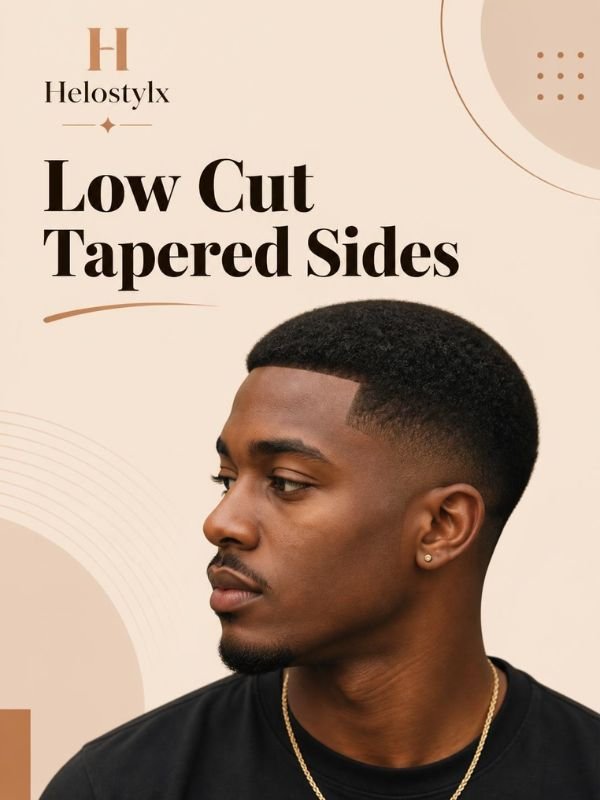
A slightly longer top than the buzz cut, with tapered sides that fade gradually rather than dropping steeply. This version reads more “classic” and suits professional settings.
Best for: office environments, understated styling Pairs well with: a sharp hairline for definition
3. Skin Fade Finish with Mid Taper
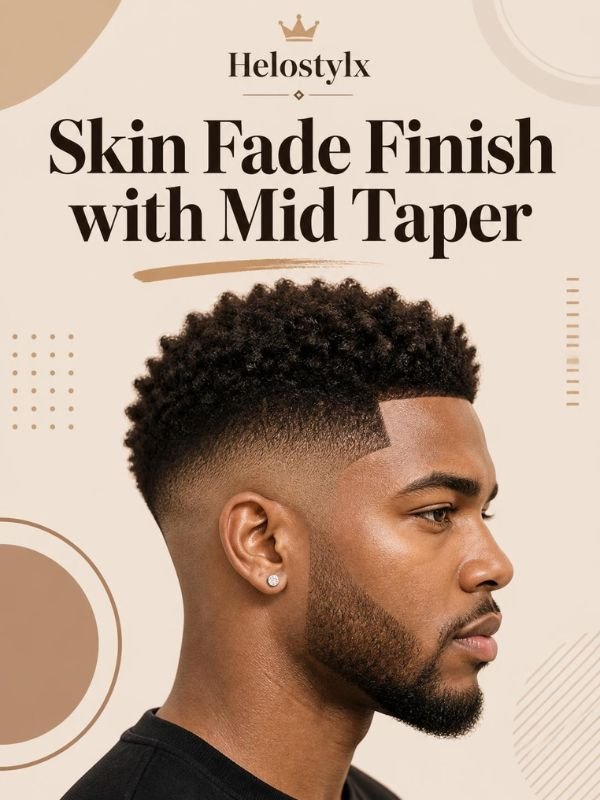
Here the taper blends down to bare skin at the bottom for maximum contrast. A skin fade finish combined with a mid taper gives you crisp visual separation without going full high-fade drama.
Best for: men who want their fade to be the focal point Requires: touch-ups every 2–3 weeks to keep the skin line clean
4. Crew Cut with Shaved Line Design
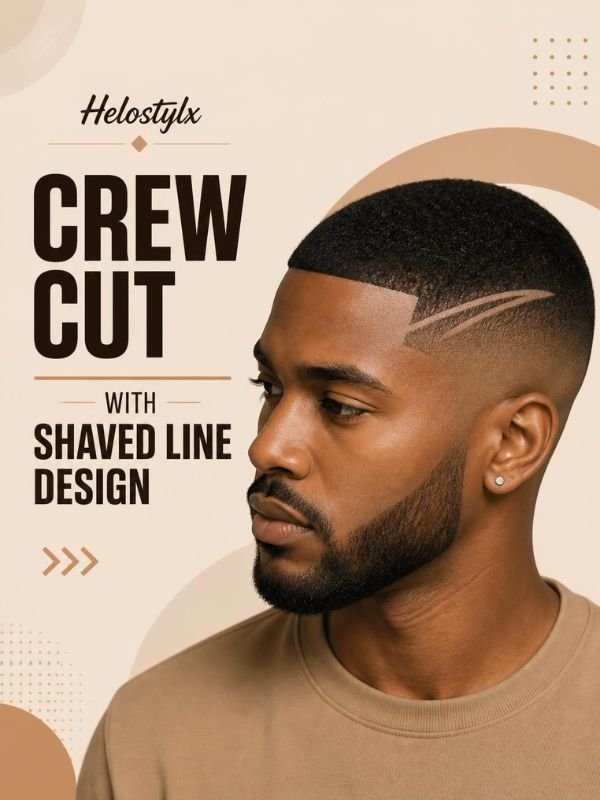
A textured crew cut on top with a hard part or shaved line design cut into the taper. The line adds a custom detail without needing a full pattern.
Best for: adding personality to a simple cut Tip: ask your barber to keep the line thin — thick lines grow out awkwardly
5. High Top with Mid Taper Fade
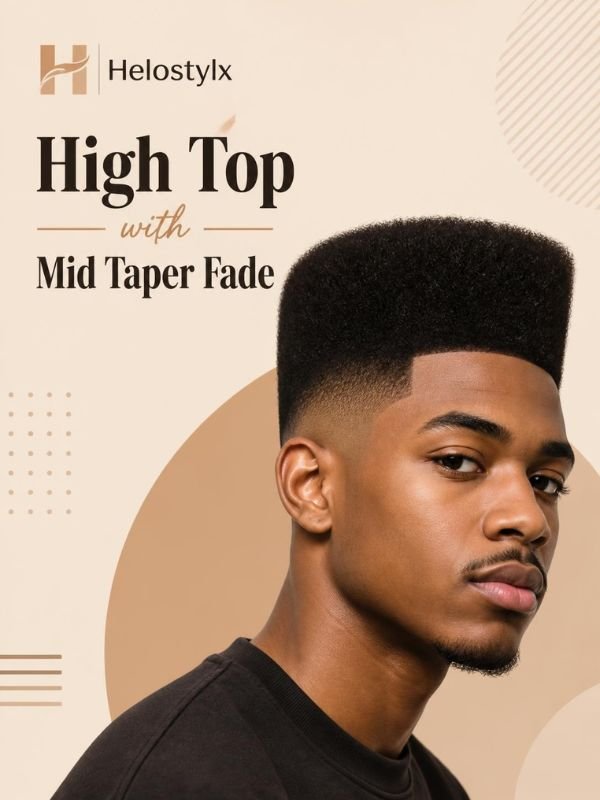
More length and volume on top, tapered down on the sides. This gives natural texture on top room to breathe while the taper keeps things controlled.
Best for: coily hair and 4C hair with natural volume Styling: a light curl cream defines texture without weighing it down
Beard & Wave Mid Taper Fade Styles: The Full Package Look
Pairing the cut with facial hair and wave patterns turns a good haircut into a complete look.
6. Low Mid Fade with Beard Connect
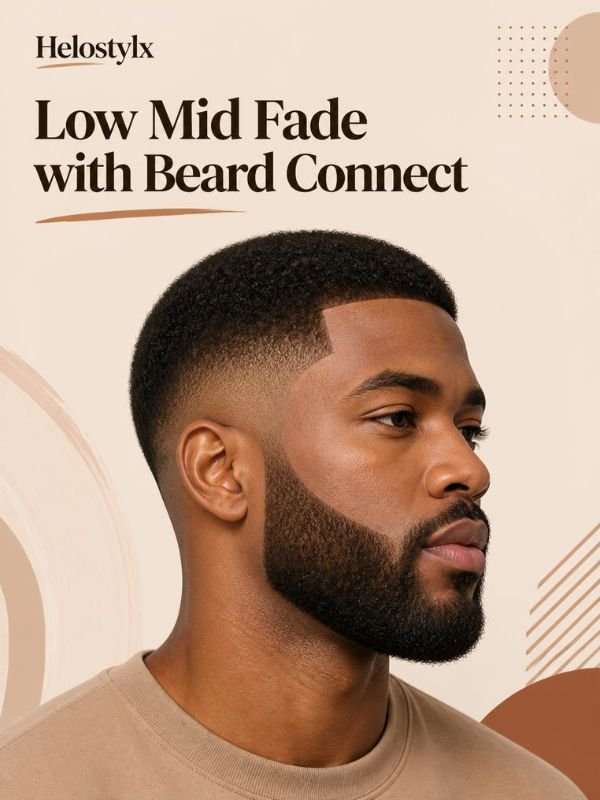
The taper connects seamlessly into a full beard, eliminating any gap along the jawline. This is one of the most requested combinations in barbershops because it frames the face and adds structure.
Best for: rounder or softer face shapes needing more definition Ask for: a mid taper fade with beard connect specifically — it’s a distinct technique, not just “fade plus beard”
7. 360 Waves with Mid Taper Fade
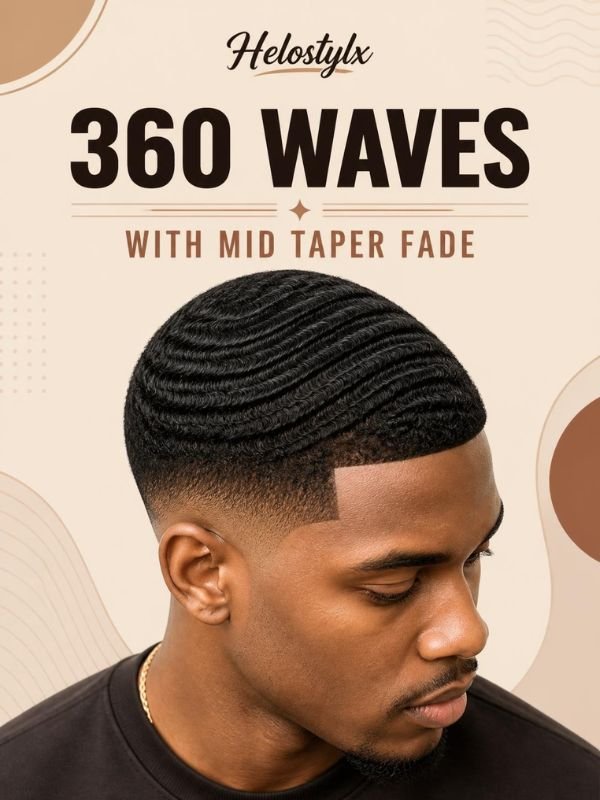
This one’s for the wave heads. A 360 waves mid taper fade combines disciplined brushing and durag routines on top with a clean taper on the sides, so the wave pattern reads uninterrupted all the way around the head.
Best for: wavy hair, medium-length natural hair texture Maintenance: daily brushing, silk durag at night, moisturizer 2–3 times a week
8. Waves with Beard and Mid Fade
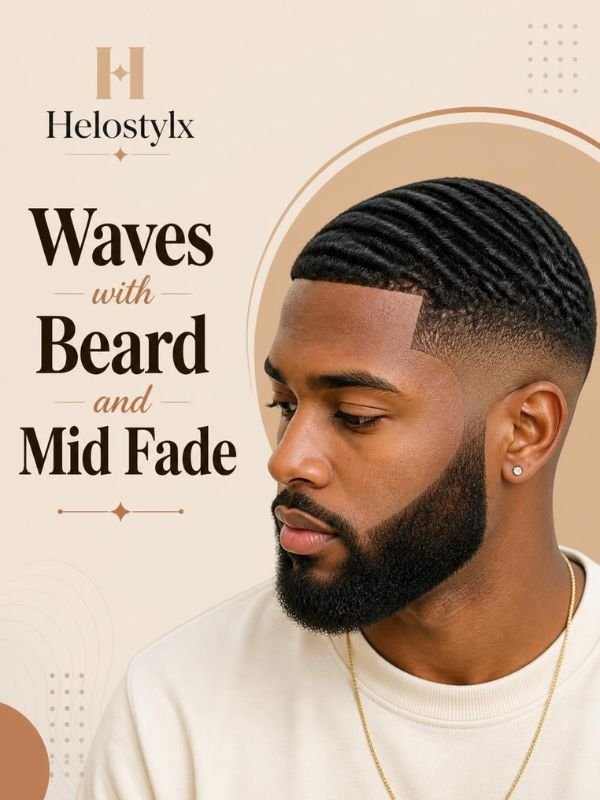
Combine your wave pattern with a full beard and mid taper for a look that reads polished from every angle. Waves with beard is a strong choice for men who want their grooming routine to do double duty.
Best for: special occasions, professional headshots Tip: keep beard oil light so it doesn’t disrupt wave sheen
Curly Mid Taper Fade Styles
Curl definition and a tight taper are a natural pairing — the contrast between structured sides and loose curls on top is what makes this category pop.
9. Curly Crop with Mid Taper Fade
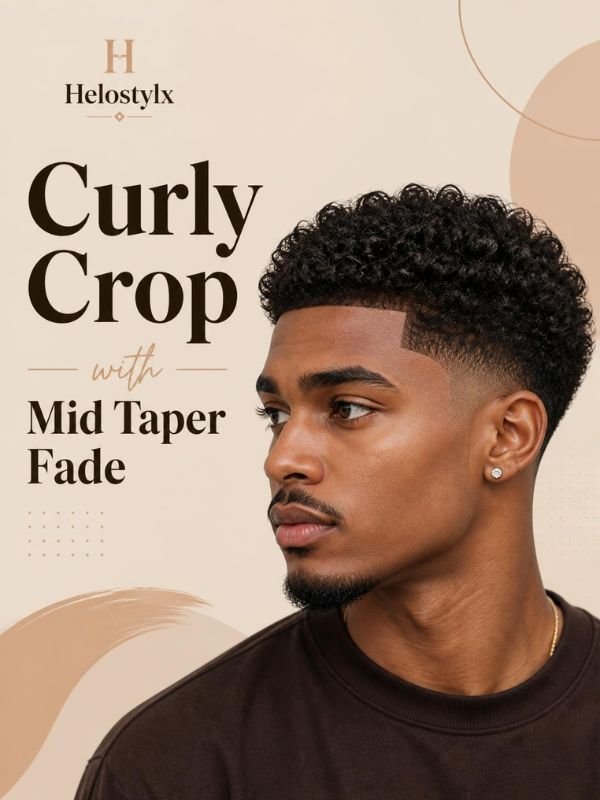
Short curls on top, cropped for shape, tapered on the sides. A curly crop with mid taper is one of the lowest-effort curly styles because the curls are short enough to hold their pattern without much product.
Best for: curly hair, wavy hair with natural curl pattern Styling: curl cream applied to damp hair, air dry or diffuse
10. Curly Frohawk with Mid Taper Fade
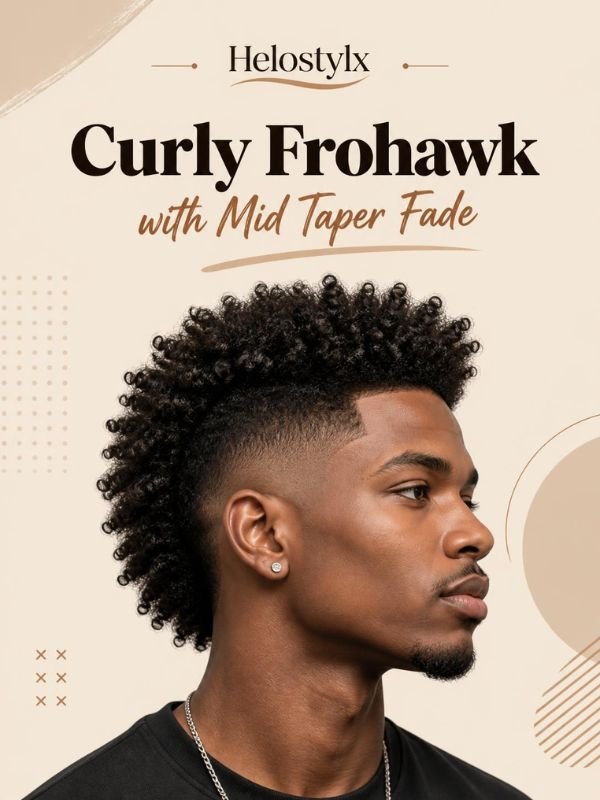
More dramatic — the sides are tapered close while the center strip is left longer and curlier, echoing a mohawk silhouette. A curly frohawk fade stands out and works especially well for thick, voluminous curls.
Best for: statement styling, thicker hair density Note: this style needs more upkeep to maintain the shape distinction
Afro Mid Taper Fade Styles
For natural hair texture that’s proud to be worn big.
11. Full Afro with Mid Taper Fade
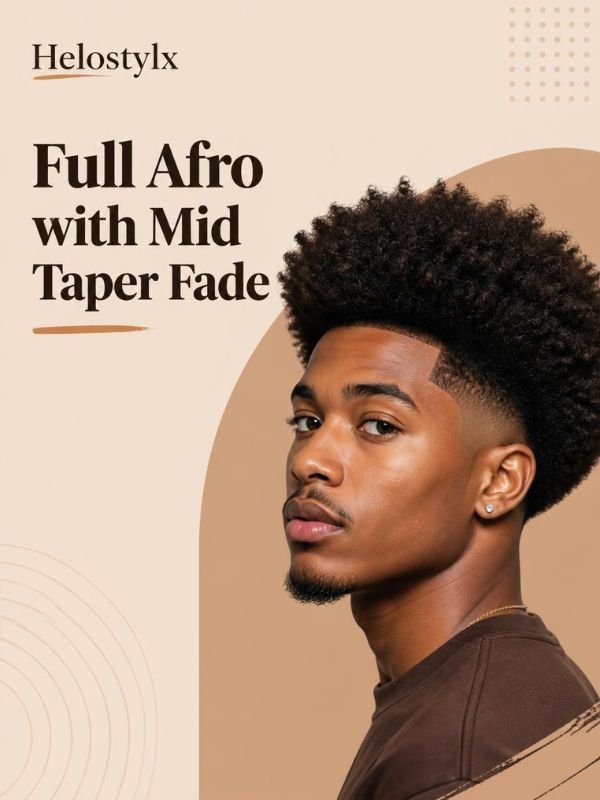
Maximum volume on top, fully tapered sides underneath for contrast. A full afro mid taper lets 4C and coily hair take center stage while the taper keeps the overall shape controlled and intentional rather than untamed.
Best for: kinky hair, coily hair, thick hair Care: leave-in conditioner and a pick to maintain shape and reduce shrinkage-related tangling
12. Mini Afro with Mid Taper Fade
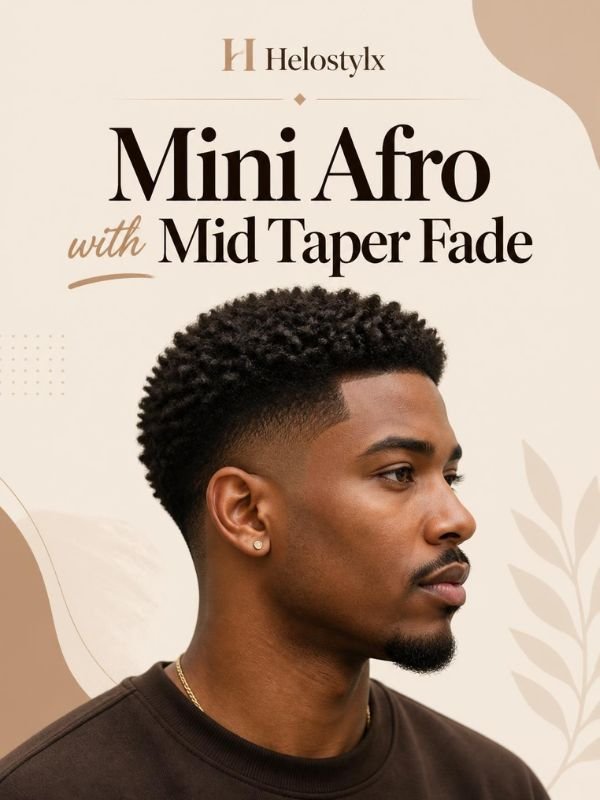
A more compact, rounder afro paired with the same taper technique — shorter top length than the full afro but still natural texture on top. A mini afro mid taper suits men who want volume without a large silhouette.
Best for: first-time afro wearers, warmer climates Styling: curl definer plus light pick-out for shape
Dreads & Locs Mid Taper Fade Styles
The mid taper isn’t just for short hair — it pairs just as well with locs.
13. Loose Dreads with Mid Taper Fade
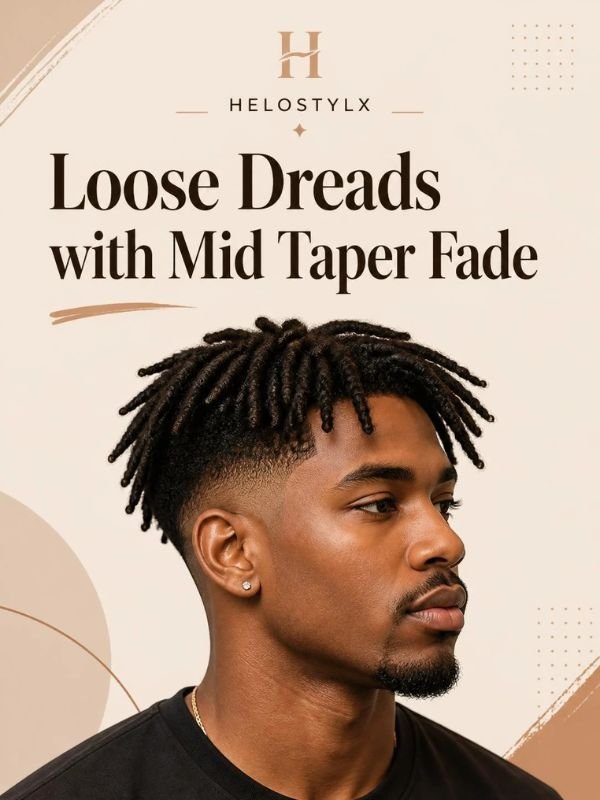
Established dreadlocks on top, tapered sides underneath for a cleaner, more polished presentation of the locs. A mid taper fade with dreads is one of the most popular loc styles because it keeps the length manageable and framed.
Best for: established locs of medium length Maintenance: re-taper sides every 2–3 weeks as locs continue to grow independently
Also Read This : Low Taper Fade for Straight Hair: 2026 Style Guide
14. Freeform Locs with Mid Taper Fade
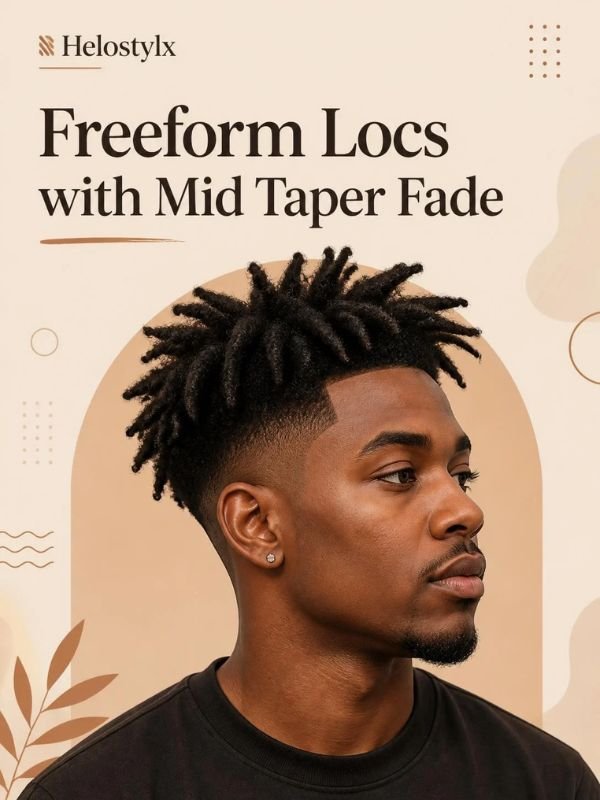
Unlike traditional locs, freeform locs are left to develop naturally without regular retwisting, giving a more organic texture on top. Freeform locs mid taper combines that natural, unstructured top with disciplined, sharp sides.
Best for: low-maintenance loc journeys, natural hair texture purists Note: the contrast between “wild on top, sharp on the sides” is the whole appeal
Braids, Buns & Detail Mid Taper Fade Styles
For men who want more styling versatility on top.
15. Cornrows with Mid Taper Fade
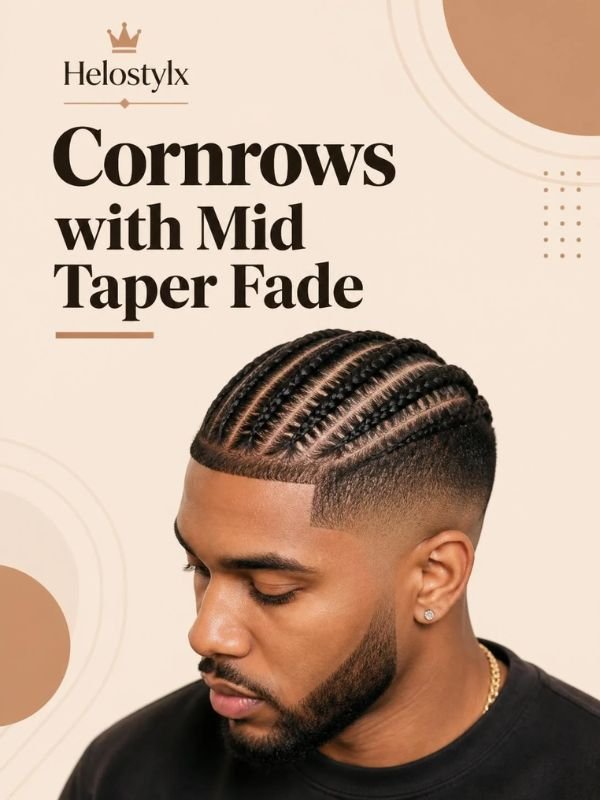
Straight-back or patterned cornrows on top, tapered underneath. Cornrows with mid taper fade is a go-to for hot weather, sports, or simply wanting a break from daily styling.
Best for: active lifestyles, hair needing a rest from heat or product Longevity: cornrows typically last 2–3 weeks with proper scalp care
16. Man Bun with Mid Taper Fade
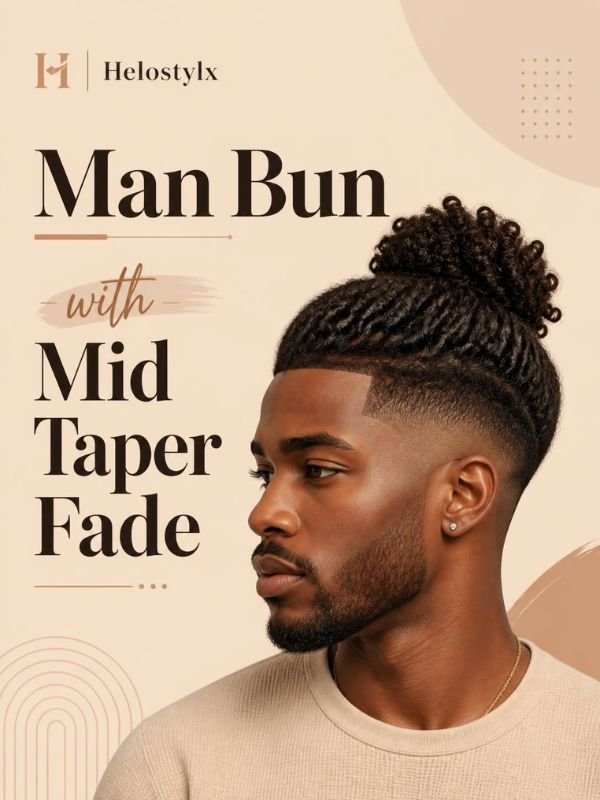
For men with enough length on top to gather, a man bun mid taper fade combines a tied-back top with clean, controlled sides. It’s a style that looks intentional even on lazy mornings.
Best for: longer natural hair, curly or coily textures with length Tip: use a soft, damage-free hair tie to avoid breakage at the base
17. Dyed Tips with Mid Taper Fade
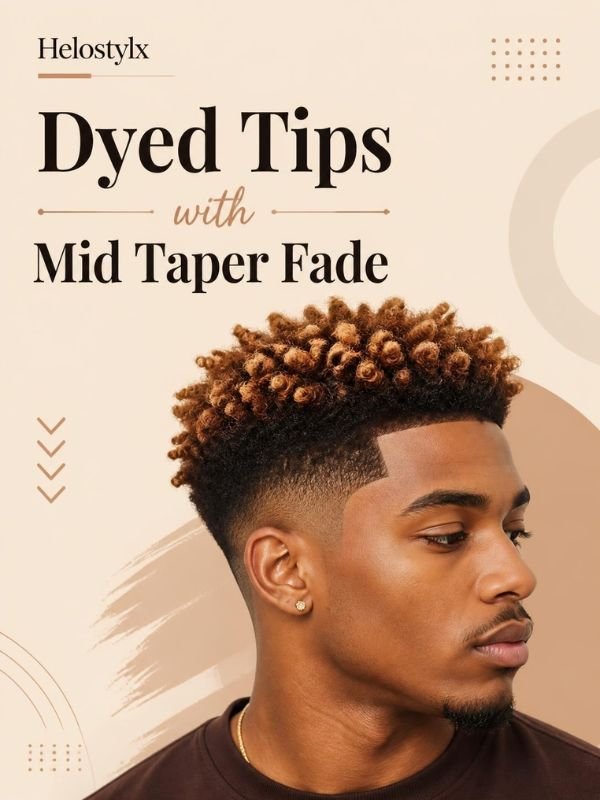
Adding color — even just to the tips — turns a standard cut into a statement. Dyed tips mid taper works especially well with curly or coily textures, where the color catches light differently across each curl.
Best for: creative expression, younger age groups Caution: get color done by a professional to avoid damaging curl pattern with over-processing
18. Full Beard Connect with Textured Top
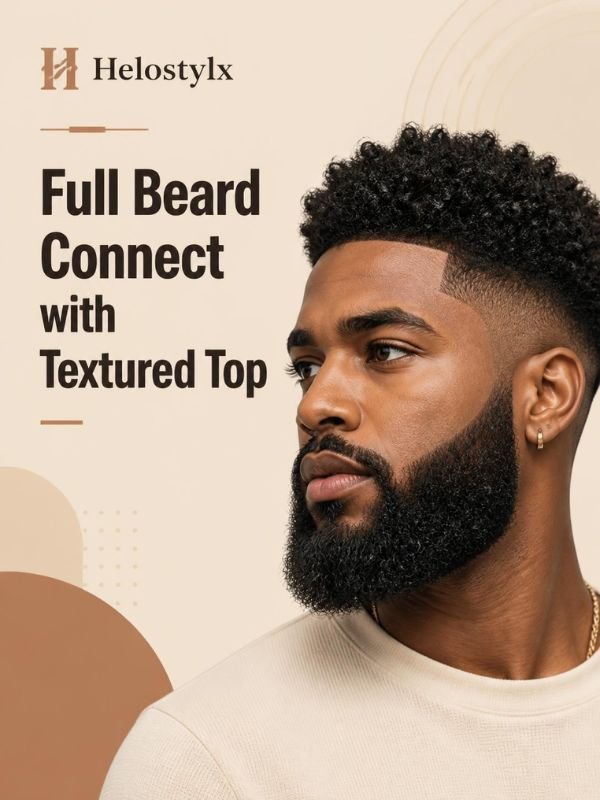
Closing out the list with a versatile combination style: textured natural hair on top, tapered sides, and a full beard connect tying it all together.
Best for: an all-around polished, low-drama everyday look Works across: nearly every hair type and face shape
Mid Taper Fade Black Male Haircut: What Actually Makes It Different
A lot of men confuse “taper” with “fade,” and it’s worth clearing up before you sit in the chair.
A fade blends hair down to skin. A taper gradually shortens hair without necessarily hitting skin at all. A mid taper fade black male cut specifically starts the blending zone around the temple — higher than a low fade, lower than a high fade — which is why it reads as balanced rather than extreme.
This mid placement matters more for black hair specifically. Because afro-textured hair, coily hair, and kinky hair carry more density and a tighter wave pattern than straight hair or thin hair, a mid taper gives the barber enough room to blend gradually. A low taper can look choppy on dense hair, and a high fade can expose too much scalp contrast too fast if the density up top isn’t accounted for.
Mid Taper Fade Black Male Haircuts: Why 2026 Is Its Biggest Year Yet
Fade trends move in cycles — high fades dominated a few years back, low fades had their moment after that. In 2026, the mid taper has taken over as the default recommendation from barbers, largely because it’s the most versatile starting point.
It works whether you’re growing out an afro, maintaining locs, keeping waves spinning, or running a buzz cut. It doesn’t lock you into one texture or one length, which is exactly why search interest around mid taper fade black male styling has climbed steadily. It’s less about a single “look” and more about a technique that flexes with whatever you’re already growing.
Mid Taper Fade Black Male Haircut by Hair Type: What Actually Works
Not every version of this cut works the same across every texture. Here’s the honest breakdown:
4C hair / kinky hair: Full afro, mini afro, or buzz cut variations hold shape best. Density supports volume on top. Coily hair: Curly crop, curly frohawk, and high top options let curl definition show without excess bulk. Curly hair (looser pattern): Curly crop and dyed tips styles work well since curls are easier to define with lighter products. Wavy hair: 360 waves and low mid fade combinations are built specifically for this pattern. Straight hair: Buzz cut and crew cut variations blend cleanest since there’s less natural volume to account for. Thick hair: High top and full afro styles use the extra density to their advantage. Thin hair: Skin fade finish and low cut tapered sides create the illusion of more density through contrast.
Best Mid Taper Fade Black Male Styles by Face Shape: Find Your Match
Round face: High top or curly frohawk adds vertical height, which balances roundness. Square face: Buzz cut or crew cut with a shaved line design softens strong jaw angles. Oval face: Almost anything works here — full afro or 360 waves are both strong picks. Long face: Low cut tapered sides with more width on top (afro or curly crop) shortens visual length. Diamond face: Beard connect styles balance narrower jaw and forehead proportions.
Best Mid Taper Fade Black Male Styles by Age Group: What Suits Which Decade
Teens & early 20s: Dyed tips, curly frohawk, cornrows — more room to experiment. Late 20s to 30s: Low mid fade with beard connect, 360 waves, man bun — polished but still expressive. 40s and beyond: Skin fade finish, crew cut, buzz cut — clean, low-maintenance, timeless.
Age isn’t a hard rule here — it’s about lifestyle and how much daily maintenance you’re willing to put in.
Mid Taper Fade Black Male Haircut: The Barber Conversation That Gets It Right
Walking in and saying “mid taper fade” isn’t quite enough — barbers need specifics to nail the details you actually want. Bring these points into the conversation:
Where you want the tapered sides to start blending (temple height reference helps) Whether you want a skin fade finish at the bottom or a soft taper that stops short of skin How sharp you want the sharp hairline — natural edge-up or a defined line Any facial hair connection needed Reference photos of your actual hair texture, not just the style — a photo on straight hair won’t translate the same way onto coily or kinky hair
Good barbers will ask these questions themselves, but coming prepared saves a back-and-forth mid-cut.
Mid Taper Fade Black Male Haircut: Watch It Done Step-by-Step
If you’re picturing the process, here’s the general flow a barber follows for this cut:
- Consultation and texture assessment — checking hair density, curl pattern, and growth direction.
- Guard selection for the top — length depends on the chosen style (buzz, high top, afro, etc.).
- Establishing the taper line — clippers work from the mid-temple area downward, blending gradually.
- Blending with clipper-over-comb or shears — this is where clean faded sides are refined for a seamless transition.
- Edge-up and hairline detailing — defining the sharp hairline with a straight razor or trimmer.
- Beard connection (if applicable) — blending sides into facial hair for a unified line.
- Final texturizing on top — adding movement or definition depending on natural hair texture.
Watching this process on video before your appointment (search “mid taper fade tutorial” on YouTube) helps you spot good technique versus rushed clipper work.
Mid Taper Fade Black Male Haircut: Mistakes That Ruin the Cut
Even a great style choice can go wrong with the wrong execution or aftercare. Watch for these:
Over-tapering too fast: Rushed blending leaves visible lines instead of a gradual fade. Ignoring hair density: A technique built for thin, straight hair doesn’t automatically translate to thick, coily hair — density changes how the clippers need to move. Skipping regular touch-ups: Fades grow out unevenly faster than people expect, especially with fast-growing hair. Overusing product on natural texture: Heavy gels or waxes can flatten curl definition instead of enhancing it. Not communicating length preferences clearly: “Just a taper” means different things to different barbers — always specify guard numbers or reference photos.
Mid Taper Fade Black Male Haircut: Maintenance That Actually Keeps It Sharp
The cut looks great walking out of the shop — keeping it that way between visits is where most men fall short.
Touch-up schedule: Every 2–3 weeks for skin fade finishes, up to 4 weeks for softer tapers. Moisturize regularly: Afro-textured and coily hair need consistent hydration to avoid dryness and breakage — a leave-in conditioner a few times a week goes a long way. Night routine: A silk or satin durag/bonnet protects wave patterns and prevents frizz on curly styles overnight. Edge maintenance: A small trimmer at home keeps the sharp hairline clean between barber visits without needing a full appointment. Beard upkeep: If you’re rocking a beard connect, trim the connecting area weekly so it doesn’t blur the taper line. Product matching: Use curl creams for curly/coily styles, wave pomade for 360 wave maintenance, and light moisturizing sprays for locs — one product doesn’t fit every texture on this list.
Frequently Asked Questions
What is a mid taper fade for black male hair specifically?
A fade that blends starting at the mid-temple, ideal for afro-textured, coily, and kinky hair.
Does a mid taper fade work with an afro on top?
Yes, both full afro and mini afro mid taper combos are popular and work great.
How often do I need to get my mid taper fade touched up?
Every 2–3 weeks for a skin fade finish, up to 4 weeks for softer tapers.
Can I get a mid taper fade with dreads or locs?
Yes, mid taper fade with dreads and freeform locs mid taper are both common styles.
Conclusion
The mid taper fade black male haircut earns its popularity because it isn’t locked to one texture, one length, or one lifestyle. Whether you’re working with 4C hair, loose curls, locs, or straight hair, there’s a version on this list built for what’s actually growing on your head — not a one-size-fits-all trend copied from someone else’s texture.
Pick the style that matches your hair type and face shape, bring specifics into your next barber conversation, and stay consistent with maintenance between visits. That combination — the right cut, the right conversation, and the right upkeep — is what separates a good mid taper fade from a great one.
