
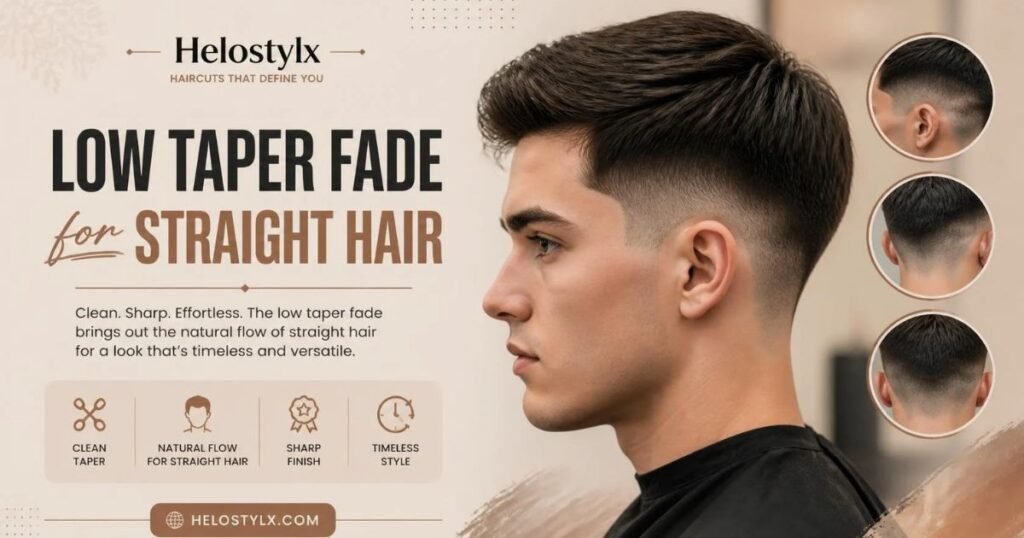
If you’ve got straight hair and you’re hunting for a cut that actually holds its shape, the low taper fade for straight hair is one of the smartest choices you can walk into a barbershop with in 2026. It’s clean, it’s low-maintenance compared to curlier textures, and it flatters almost every face shape without screaming for attention.
This guide breaks down everything you need to know — what the cut actually is, why straight strands work so well with it, the best top styles to pair it with, and exactly how to describe it to your barber so you don’t leave the chair disappointed.
What Is a Low Taper Fade?
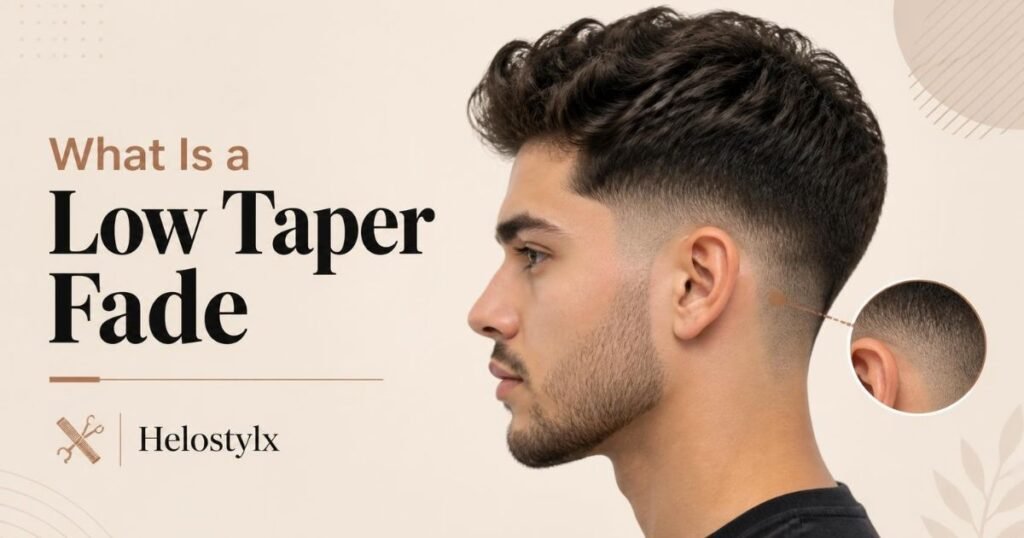
A low taper fade is a fade haircut where the hair gradually shortens as it moves down toward the neckline and around the ears, with the fade itself sitting low — usually just above the ear and around the nape, rather than climbing up toward the temples.
Unlike a high or mid fade, a low fade haircut keeps most of the length and volume on top and at the sides, with only the very bottom section blending down to skin or a very short guard. Think of it as a gradual blend rather than a dramatic one.
Key characteristics of a low taper fade haircut:
- Clean sides with a sharp neckline
- Soft blend that starts low, around the ear line
- Minimal hair removed compared to mid or high fades
- Longer hair on top left mostly untouched for styling versatility
- Works with a wide range of clipper guard lengths depending on how subtle you want it
Because the fade is so low and understated, it reads as a more classic hairstyle — polished, professional, and easy to maintain — rather than a bold statement cut.
Why Straight Hair Suits This Cut So Well
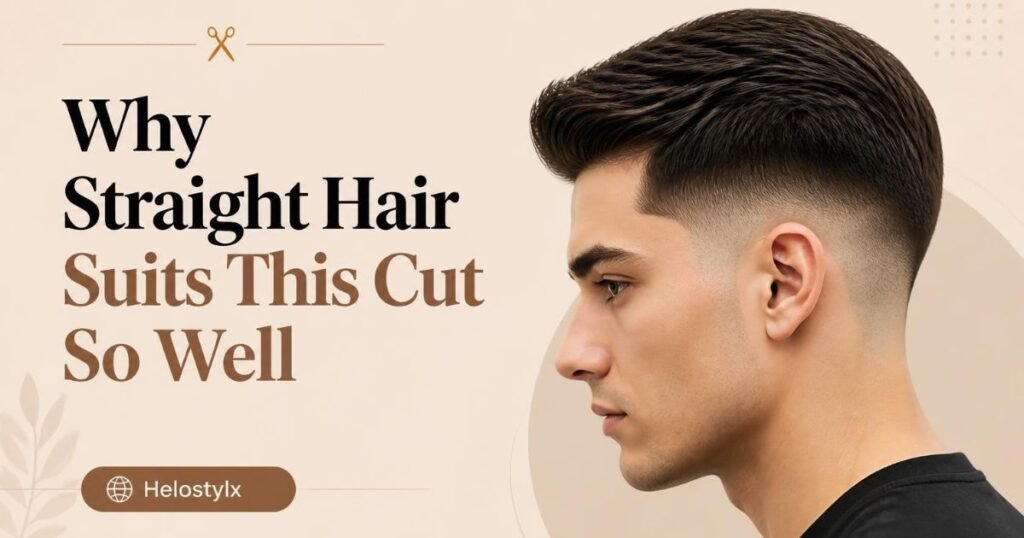
Straight hair and a low taper fade haircut are practically made for each other, and it comes down to how straight strands behave physically.
1. Straight hair shows the blend more clearly. Because straight strands lie flat and don’t coil or spring back, the gradual blend of a low taper is far more visible and precise. Curly or coily hair can hide fade lines; straight hair reveals every clean transition your barber makes.
2. It holds shape without much manipulation. Straight hair doesn’t fight gravity the way curly hair does. Whether you’ve got fine straight hair, medium straight hair, or thick straight hair, the top section will fall naturally into a fringe, part, or brush-up without constant restyling throughout the day.
3. It highlights internal texture and point cutting. A skilled barber can use point cutting and light graduation on straight hair to add internal texture, breaking up what would otherwise be a completely flat hair look. This is especially useful if your hair leans fine or thin, since texture creates the illusion of extra hair volume.
4. Low maintenance, high payoff. Straight hair air-dries faster and needs less product manipulation to look intentional, which makes the low taper fade straight hair combo one of the lowest-effort, highest-reward cuts you can get in 2026.
That said, hair density still matters. If you have fine straight hair, you’ll want a slightly softer fade and more length on top to avoid looking too thin. If you have thick straight hair, you have more flexibility for texture, weight removal, and bold top styles.
Low Taper Fade vs Low Fade vs Taper: What’s the Real Difference?
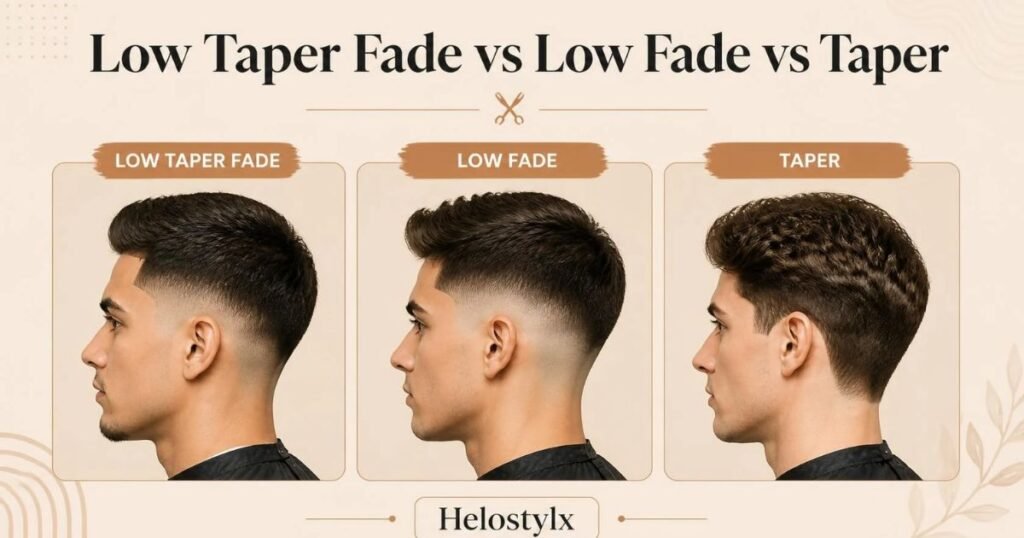
This is where most people get confused, so let’s settle the low fade vs taper debate once and for all.
Taper Fade
A pure taper fade (often just called a “taper”) is the mildest version. Hair gets shorter down the sides and around the neckline, but it never fades to skin. There’s no hard blend to bare skin at any point — just a soft, gradual decrease in length.
Low Fade
A low fade haircut does fade down to skin (or very close to it), but the fade line sits low, near the bottom of the sideburns and around the nape only. The rest of the head keeps significant length.
Low Taper Fade
A low taper fade essentially blends the two: it combines the soft, gradual transition of a taper with the clean, skin-close finish of a low fade — but only in the very lowest section. This is why so many people search taper vs low fade or low taper vs low fade without finding a clear answer: a low taper fade is technically a hybrid, using tapering techniques through the mid-lengths and a subtle fade only at the very base.
Quick comparison:
| Style | Fades to skin? | Where it fades | Maintenance |
| Taper fade | No | Gradual all over | Low |
| Low fade | Yes | Low, near ears/neck | Medium |
| Low taper fade | Yes (softly) | Very low, blended | Low-medium |
If you want something sharp but still subtle enough for the office, courtroom, or client meetings, the low taper fade is almost always the winning answer in this comparison.
Best Top Styles for Straight Hair in 2026
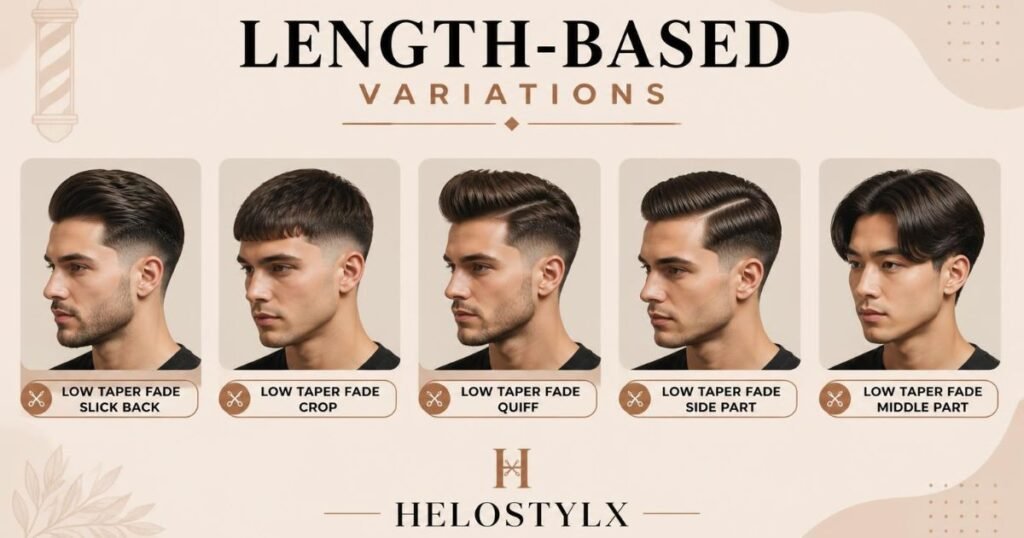
The beauty of a low taper fade haircut is that it acts as a foundation — the real personality of the cut comes from what you do on top. Here are the top low taper fade styles for men with straight hair this year.
Low Taper Fade Fringe
A low taper fade fringe brings the hair forward over the forehead in soft, textured pieces. This is one of the most popular men’s hairstyles 2026 trends because it’s youthful, easy to style with just fingers and a bit of product, and works beautifully with straight hair’s natural fall.
Low Taper Fade Middle Part
The low taper fade middle part splits the top section down the center, creating a symmetrical, editorial look. Straight hair holds a middle part cleanly without flipping or separating awkwardly, which is a common issue with wavy or curly textures.
Low Taper Fade Side Part
For a more traditional, boardroom-ready finish, the low taper fade side part is hard to beat. It’s polished, timeless, and pairs perfectly with a water-based pomade for shine and hold.
Low Taper Fade Quiff
The low taper fade quiff lifts the front section up and slightly back for height and movement. This works especially well on thick straight hair or medium straight hair, giving the illusion of added density.
Low Taper Fade Crop (French Crop Low Taper Fade)
The French crop low taper fade is a textured fringe cropped short and blunt across the forehead, paired with a low taper on the sides. It’s rugged, low-maintenance, and one of the fastest-growing low taper fade styles among men who want a short crop feel.
Low Taper Fade Slick Back
The low taper fade slick back (or brush-up hairstyle) pushes hair straight back for a sleek, mature finish. It needs a bit more length on top and a strong-hold product, but straight hair slicks back cleanly without the frizz curlier textures often fight.
Length-Based Variations
- Low taper fade short hair — tighter, tidier, ideal for corporate settings
- Low taper fade long hair — more flow and movement on top, great for a natural hairstyle feel
- Low taper fade buzz cut — minimal top length, maximum simplicity
Also Read This: Low Taper Fade Buzz Cut: Best Styles, Lengths & Face Shapes
Best Face Shapes and Hair Types for This Cut
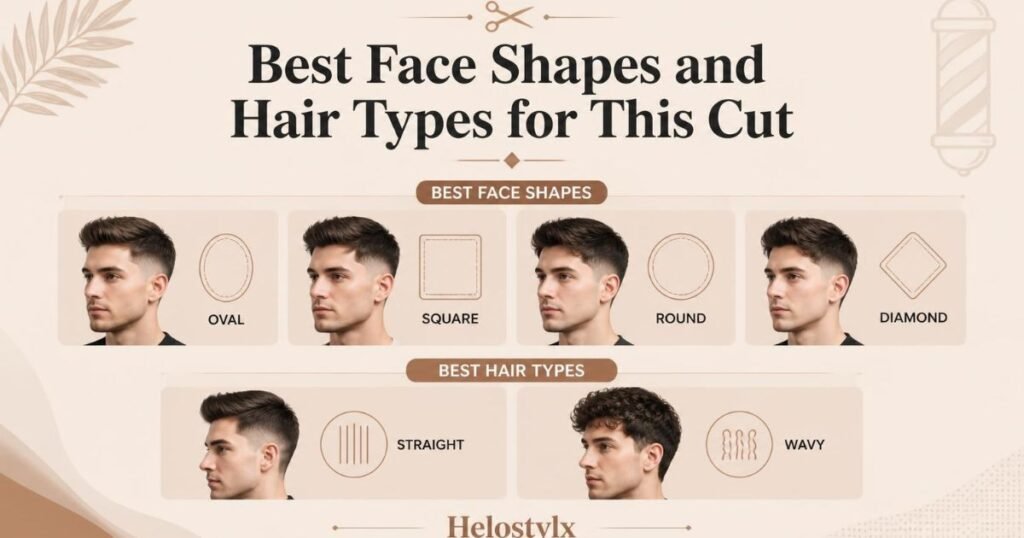
The low taper fade straight hair combo is genuinely one of the most universally flattering options out there, but a few tweaks help it work even better for you specifically.
By face shape:
- Round faces — pair with a quiff or fringe with height to add vertical length
- Square faces — a side part or slick back complements strong jawlines
- Oval faces — almost any top style works; middle parts look especially sharp
- Long faces — a fringe or textured crop helps shorten visual length
By hair type:
- Fine straight hair — ask for lighter graduation and keep more length on top for volume
- Medium straight hair — the most versatile; handles nearly every top style listed above
- Thick straight hair — can support heavier texturizing and bolder styles like the quiff or slick back
Hair density and hair texture both matter more than people expect. A good barber will assess these before touching the clippers, not after.
How to Ask Your Barber for a Clean Low Taper Fade
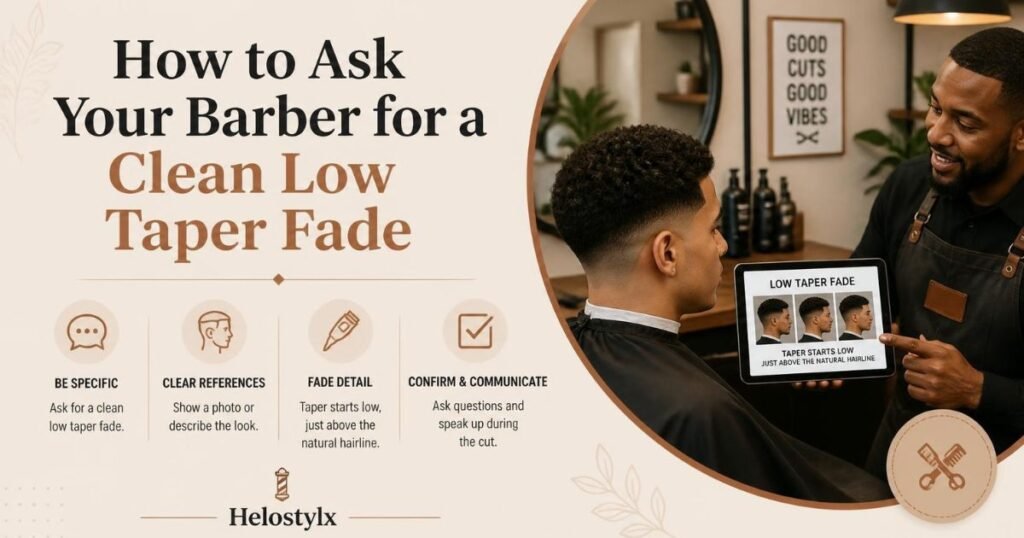
Miscommunication is the #1 reason people leave the barbershop unhappy. Here’s how to get the low taper fade haircut you actually want.
- Bring a reference photo. Even the best description can’t compete with a clear reference photo showing the exact blend height and top length you want.
- Specify the clipper guard for the top. Tell your barber the length you want to keep, in inches or guard number, not just “not too short.”
- Describe where you want the fade to start. Say clearly: “low, around the ear line, not climbing up to the temple.”
- Ask for a soft, gradual blend — not a hard line. This keeps the cut looking natural rather than harsh.
- Mention your hair type. Telling your barber you have straight hair (and whether it’s fine, medium, or thick) helps them choose the right clipper technique and how much point cutting to use on top.
- Confirm the neckline style. A sharp neckline looks crisp but needs more frequent touch-ups; a more natural, rounded neckline grows out more gracefully.
A good barbershop will walk you through these details unprompted — but coming prepared puts you in control of the outcome.
Short, Medium, and Long Variations
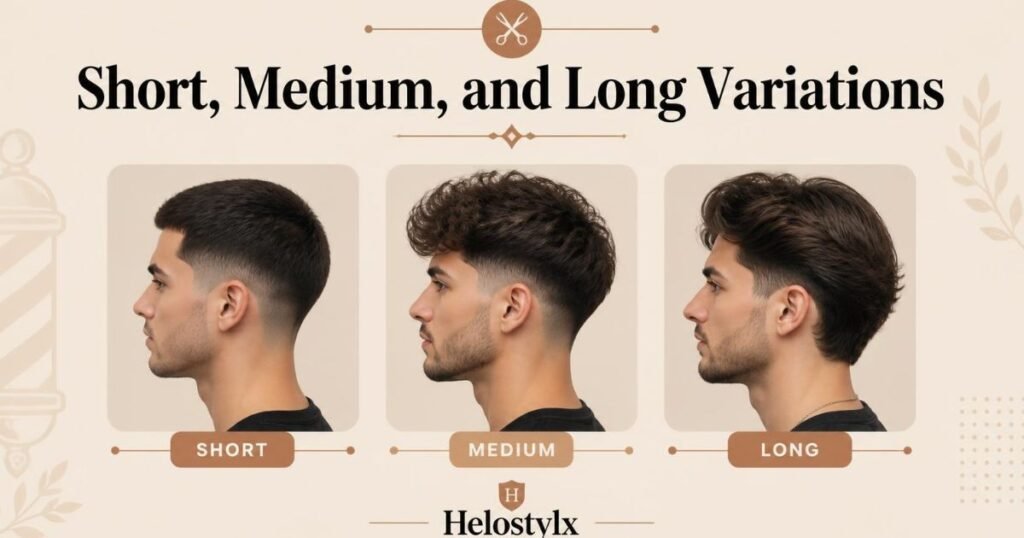
One reason the low taper fade straight hair combination stays trendy year after year is its flexibility across lengths.
Short (low taper fade short hair): Minimal top length, quick to style, and easiest to maintain. Ideal if you’re new to fades or want a low-effort morning routine.
Medium: Enough length on top for texture, movement, and styling options like a light quiff or brush-up, while sides stay tidy and low-maintenance.
Long (low taper fade long hair): More dramatic top volume, great for slicked-back looks or a flowing fringe. Requires more frequent brushing and product to keep straight strands controlled throughout the day.
How to Style It
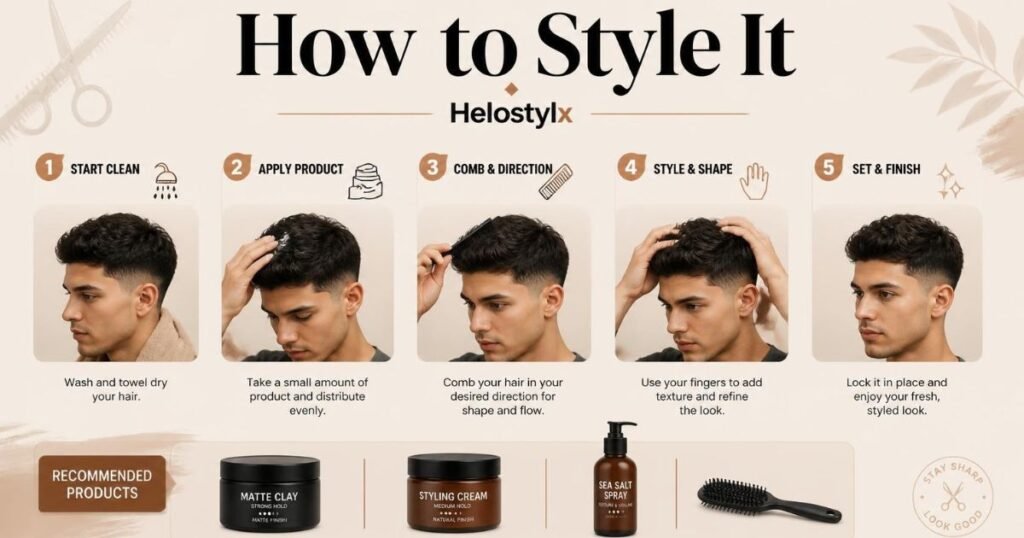
Styling straight hair with a low taper fade is refreshingly simple once you know the steps.
- Start with damp, towel-dried hair. Avoid soaking wet hair — it’s harder to control and takes longer to set.
- Apply a small amount of styling product. Choose based on the finish you want (details below).
- Rough-dry with a blow dryer, lifting at the roots if you want volume, or drying flat if you’re going for a sleek slick-back.
- Use a styling brush or fine-tooth comb to direct the hair into your chosen shape — fringe forward, parted to one side, or swept back.
- Set with a light mist, like a sea salt spray, if you want texture without added weight, or skip it for a smoother, glossier finish.
- Touch up throughout the day with just your fingers — straight hair rarely needs a full restyle.
Best Products for Straight Hair
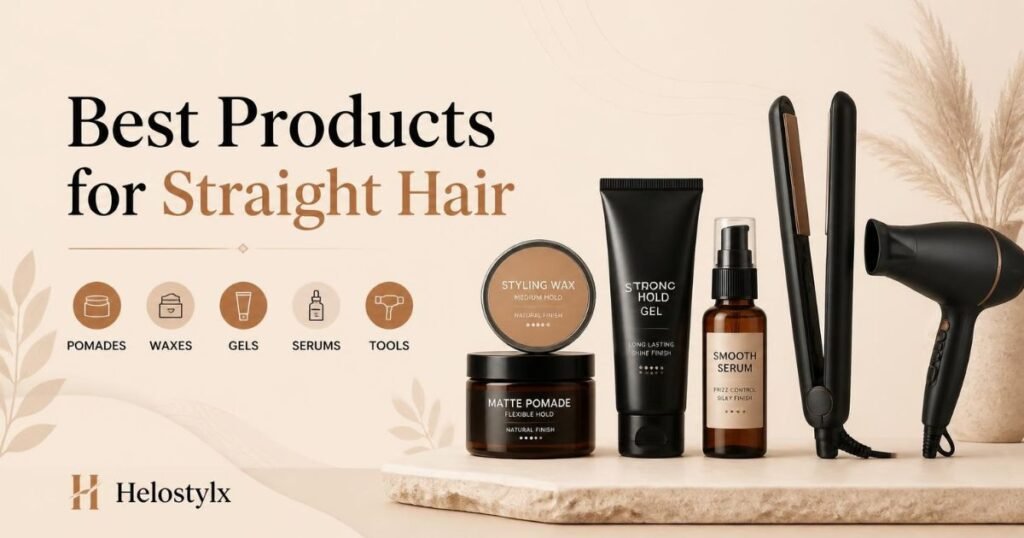
Not all products behave the same on straight strands, so picking the right one for your desired finish matters.
- Matte clay — best for textured, piecey looks like the fringe or French crop; adds grip without shine
- Water-based pomade — ideal for slick backs and side parts; buildable shine and strong hold
- Styling cream — great everyday option for soft, natural movement without heavy hold
- Texture powder — adds instant hair volume to fine straight hair at the roots
- Volumizing product — apply to damp hair before blow-drying for lift, especially useful for fine straight hair
- Sea salt spray — adds grit and texture for a more tousled, natural hairstyle finish
Aim for a matte finish for daytime, low-maintenance looks, and save the shinier pomades for evenings or more polished occasions.
How to Maintain It at Home
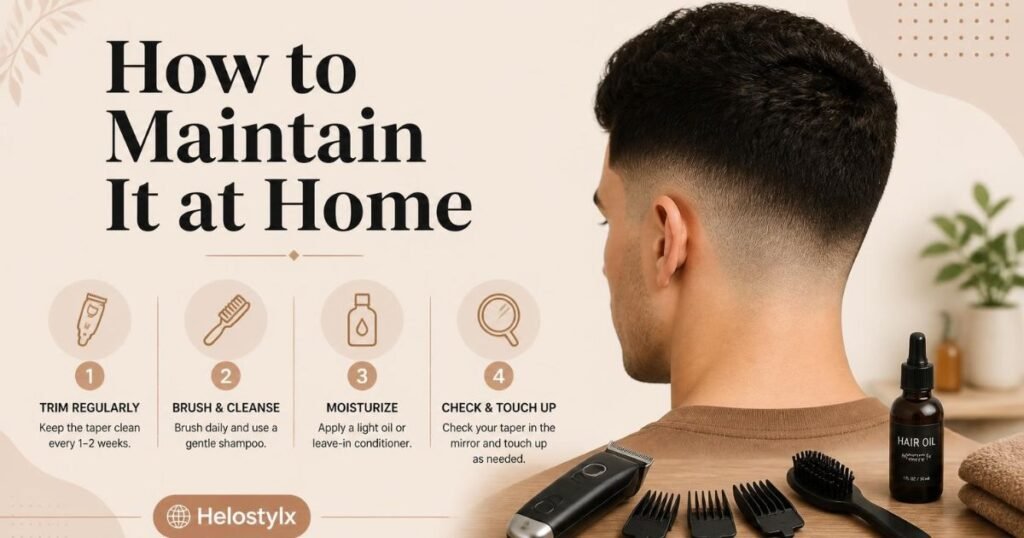
A low taper fade haircut looks sharp for about two to three weeks before the blend starts growing out. Here’s how to stretch that window:
- Book touch-ups every 2–3 weeks. The lower the fade, the more forgiving the grow-out, but the neckline and around-the-ears area still need regular cleanup.
- Trim your neckline yourself between visits if you’re comfortable with clippers — this is the area that grows out fastest.
- Wash with a gentle, sulfate-free shampoo two to three times a week to avoid stripping natural oils that keep straight hair looking healthy.
- Brush daily, even on non-styling days, to keep the top section trained in one direction.
- Avoid heavy oils directly on freshly faded sides — they can make the fade look patchy rather than clean.
Common Mistakes to Avoid
Even a great cut can look off if these small details are missed.
- Going in without a reference photo. “Just a low taper fade” means different things to different barbers.
- Ignoring hair density during the consultation. What works for thick straight hair can look thin and sparse on fine straight hair, and vice versa.
- Over-applying product. Straight hair gets weighed down fast — a little goes further than you think.
- Skipping touch-ups too long. Letting a low taper fade grow out unevenly makes the blend look messy rather than “grown-in.”
- Choosing a top style that ignores face shape. A style that looks great on a friend won’t automatically suit your proportions.
- Confusing a taper with a fade during the consultation. Since the low fade vs taper distinction trips up so many clients, be explicit about wanting the skin-close blend at the base, not just gradual tapering.
FAQs About the Low Taper Fade for Straight Hair
Is a low taper fade good for straight hair?
Yes — straight strands show off the clean, gradual blend of a low taper fade better than most other textures.
What’s the difference between a low taper fade and a low fade?
A low fade haircut fades fully to skin, while a low taper fade uses a softer transition that only lightly touches skin at the base.
How often do I need to get a low taper fade touched up?
Every two to three weeks — the low placement grows out more gracefully than high or mid fades.
What top style works best with a low taper fade for fine straight hair?
A low taper fade fringe or light quiff with a volumizing product adds the most density to fine straight hair.
Final Thought
The low taper fade for straight hair works because it’s low-effort, sharp, and flexible enough to match almost any face shape or styling mood in 2026. Pick a top style that fits your hair density, bring a reference photo to your barber, and this cut will keep paying off between every touch-up.
