
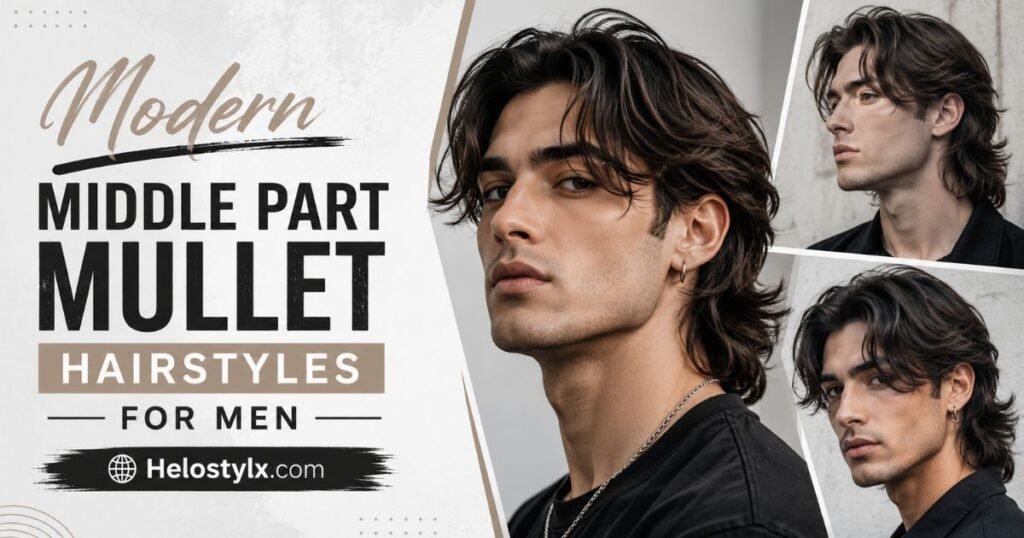
If you’ve been scrolling through barbershop inspiration boards lately, you’ve probably noticed one trend refusing to fade out: the modern mullet haircut. Paired with a middle part, this once-rebellious cut has evolved into a genuinely versatile, editorial-approved style that works on the street, in the office, and everywhere in between.
This guide breaks down 18 real, wearable variations of the middle part mullet, explains why the modern mullet works for so many face shapes and hair types, and gives you a maintenance roadmap so your cut looks intentional instead of accidental.
The Evolution of Middle Part Mullet in Modern Fashion
The mullet’s reputation has done a complete 180. What started as a polarizing throwback is now a runway and red-carpet staple, largely because stylists reimagined the silhouette with softer transitions and more structure.
Adding a center part changed everything. Instead of the boxy, one-dimensional shape people associate with the ’80s, the middle part haircut softens the crown, opens up the face, and gives the whole style a European, effortlessly cool edge.
Today’s men’s mullet hairstyles borrow heavily from Korean and European street style, mixing longer, textured lengths on top with cleaner, tapered sides. The result is a cut that photographs well, grows out gracefully, and doesn’t require you to commit to a single “look” every day.
Barbers now treat the mullet less like a retro statement and more like a flexible framework — one that can be dressed up with a skin fade mullet for sharp contrast or kept loose and natural with a curtain mullet finish. That flexibility is exactly why it’s dominating 2026 hair trends.
18 Signature Variations of Middle Part Modern Mullet
Below are 18 distinct takes on the modern mullet haircut, each suited to different hair textures, lifestyles, and grooming commitment levels.
1. Soft Divider Mullet
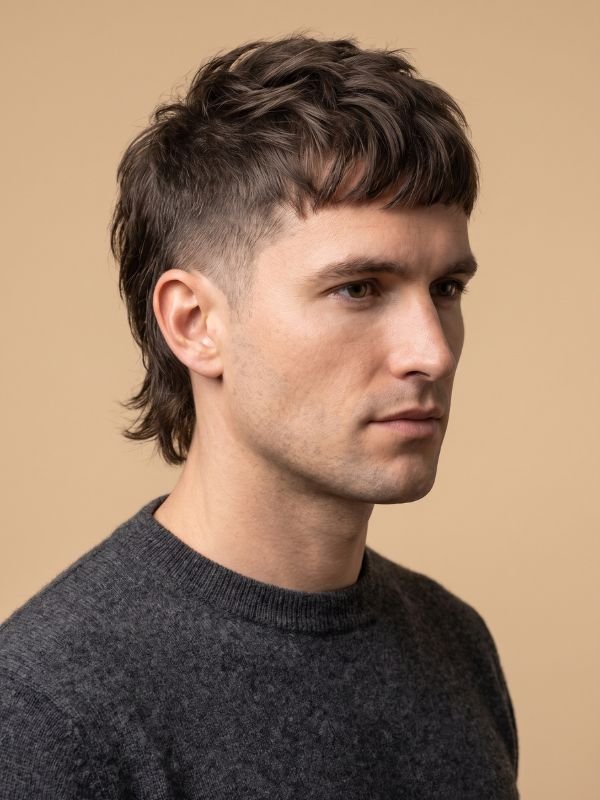
This variation uses a gentle, barely-there center part rather than a hard line. It’s ideal for guys who want the middle part effect without looking overly styled.
- Works best on medium-length hair with natural movement
- Low daily maintenance — a quick finger-comb does the job
- Pairs well with subtle side tapering for a clean finish
2. Editorial Volume Mullet
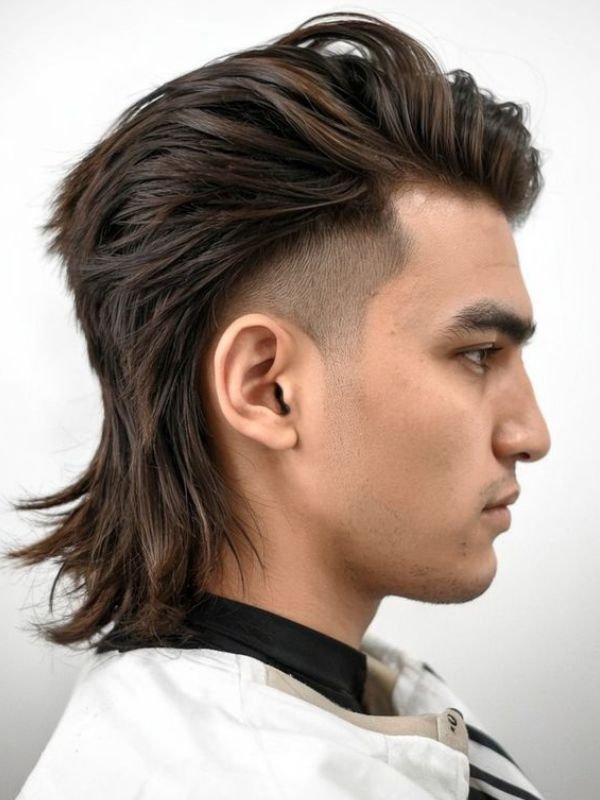
Inspired by fashion week runways, this style pushes height and volume at the crown while keeping the back mullet length intentional and layered.
It’s a bold, high-impact option for men who want their haircut to make a statement without needing a full undercut.
3. Skin Fade Center Mullet
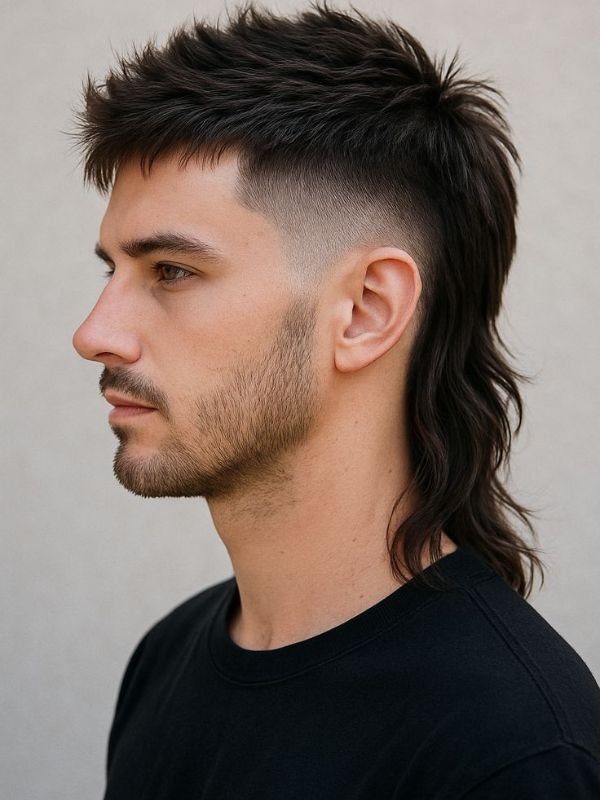
This is where the skin fade mullet meets a crisp middle part. The sides are shaved down to skin, creating maximum contrast against the longer top and back sections.
- Best for men with thick or coarse hair
- Requires fade touch-ups every 2–3 weeks
- Delivers the sharpest, most modern silhouette on this list
4. Soft Mullet Wolf Cut Male
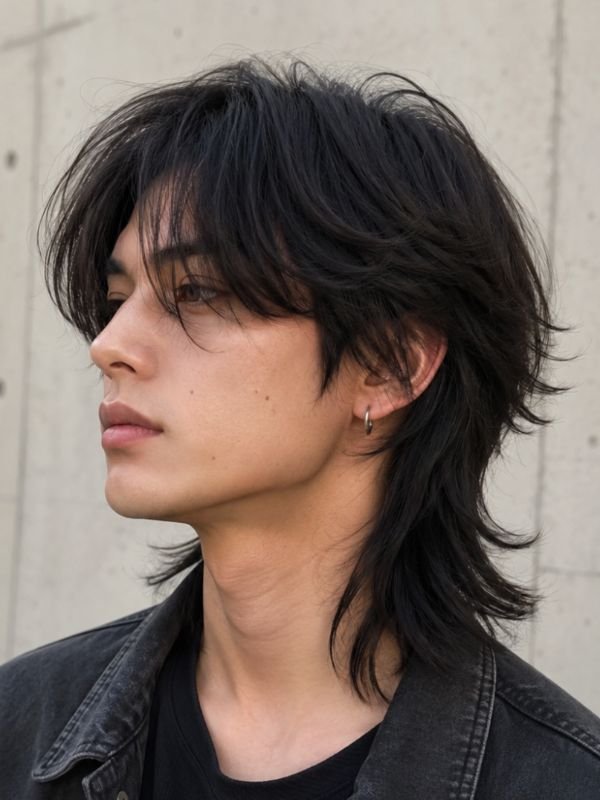
A hybrid between the shaggy wolf cut mullet and a softer mullet shape, this style layers heavily throughout to create movement and volume without the harsh mullet “shelf” look.
It’s one of the most searched styles for men wanting texture-forward hair in 2026.
5. Soft Layer Flow Mullet
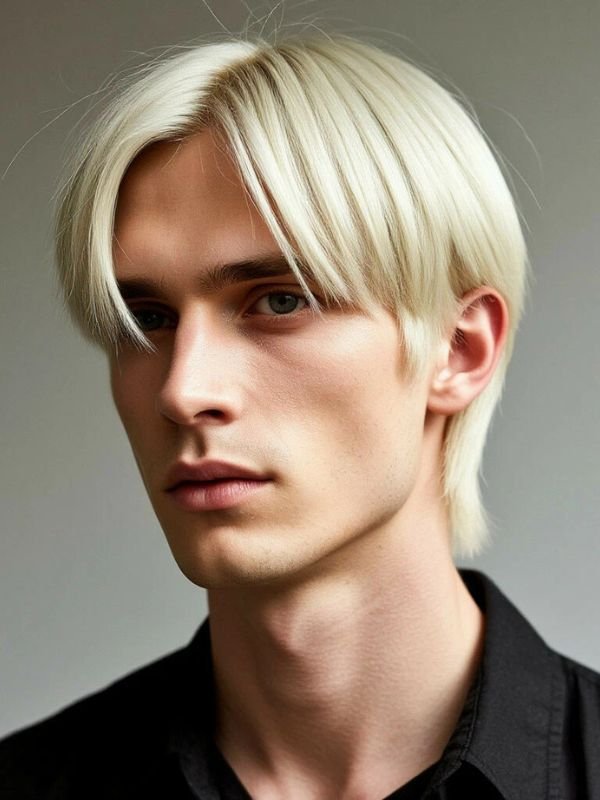
Built around long, feathered layers, this cut lets hair fall naturally from a center part into soft waves at the back. It suits men with naturally wavy or slightly curly textures who don’t want to fight their hair’s natural pattern.
6. Urban Texture Mullet
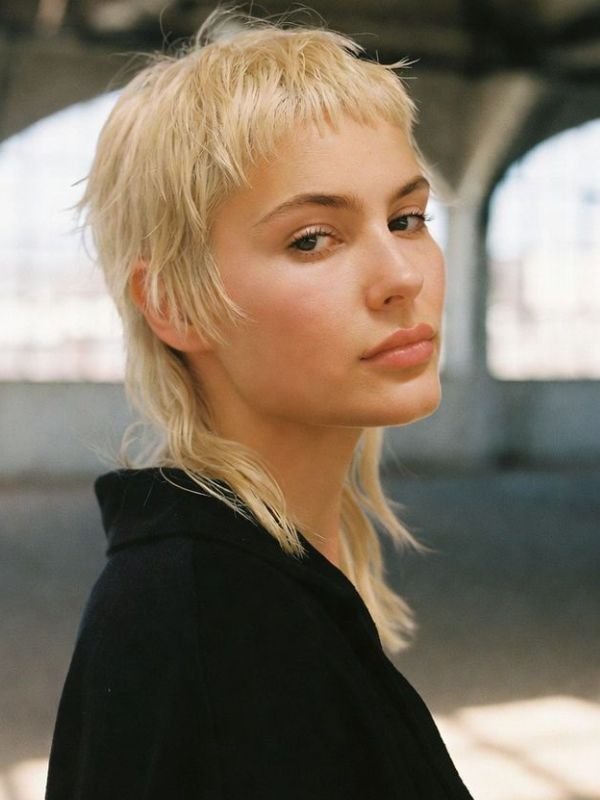
A gritty, matte-finish take on the textured mullet, styled with a light clay or paste for definition rather than shine. This one leans into imperfection — think tousled, lived-in hair rather than salon-polished.
7. Balanced Edge Mullet
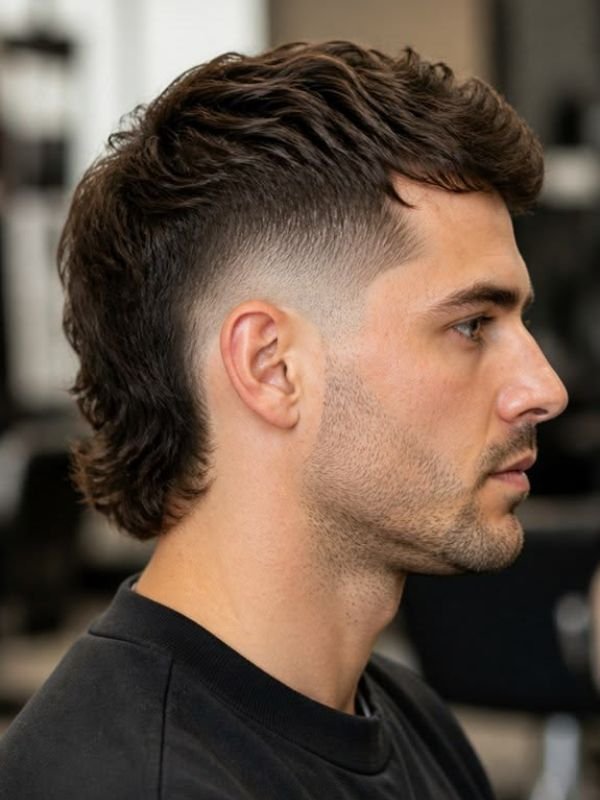
As the name suggests, this cut balances length on top, sides, and back so no single section overpowers the others. It’s a great entry point for first-time mullet wearers who want a subtle transition from a traditional haircut.
8. Middle Part Mullet Fade
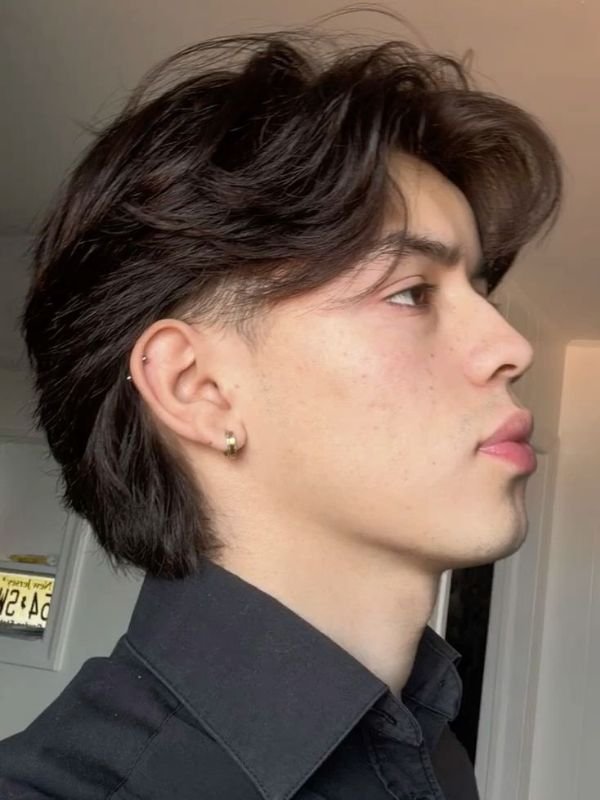
This variation blends a middle part haircut with a gradual, low-to-mid fade rather than a full skin fade. It’s a more office-friendly alternative to the skin fade mullet, offering contrast without looking too dramatic.
9. Curved Flow Middle Mullet
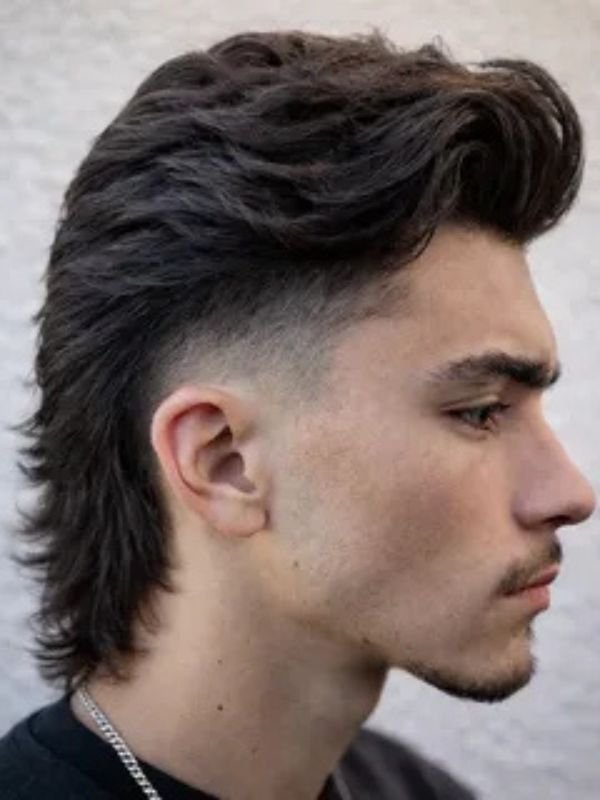
Using a rounded parting instead of a razor-straight line, this style creates a soft, curved flow across the forehead. It works particularly well for men with cowlicks, since it uses the natural hair direction instead of fighting it.
10. Minimal Precision Mullet
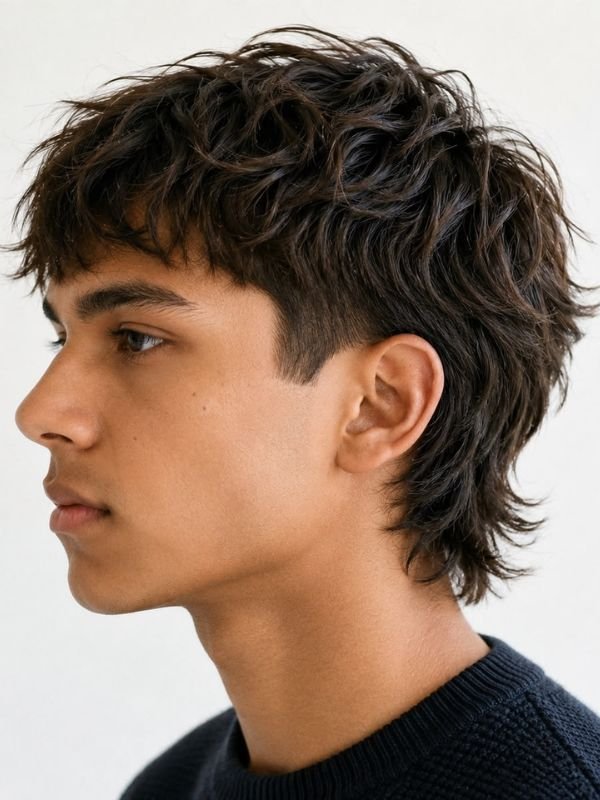
For men who prefer structure over shag, this cut keeps every section — top, sides, and back — precisely trimmed. It’s the cleanest, most “corporate” version of the mullet, proving the style isn’t just for creatives and musicians.
11. Heavy Texture Center Mullet
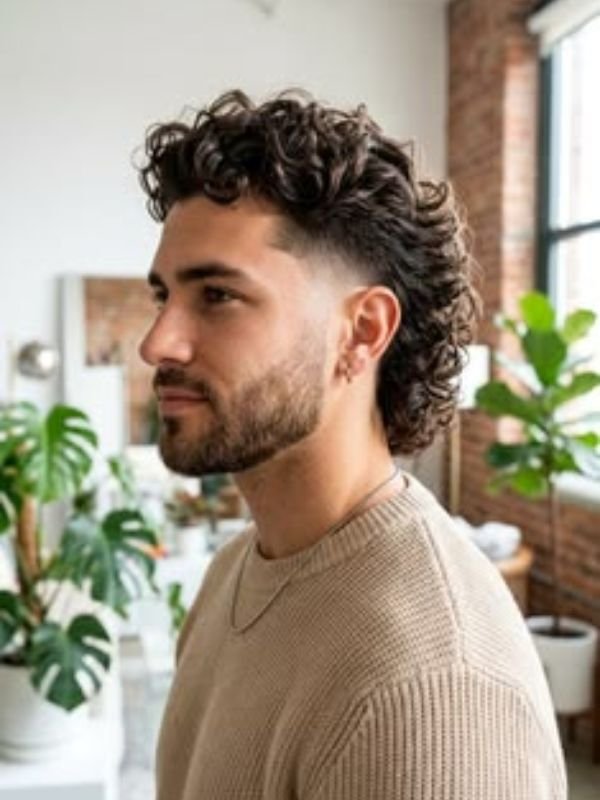
This variation maximizes texture through heavy point-cutting and layering, giving the hair a piecey, almost tousled appearance straight out of the shower. It relies on a strong texturizing product for hold and separation.
12. Middle Part Modern Mullet Men
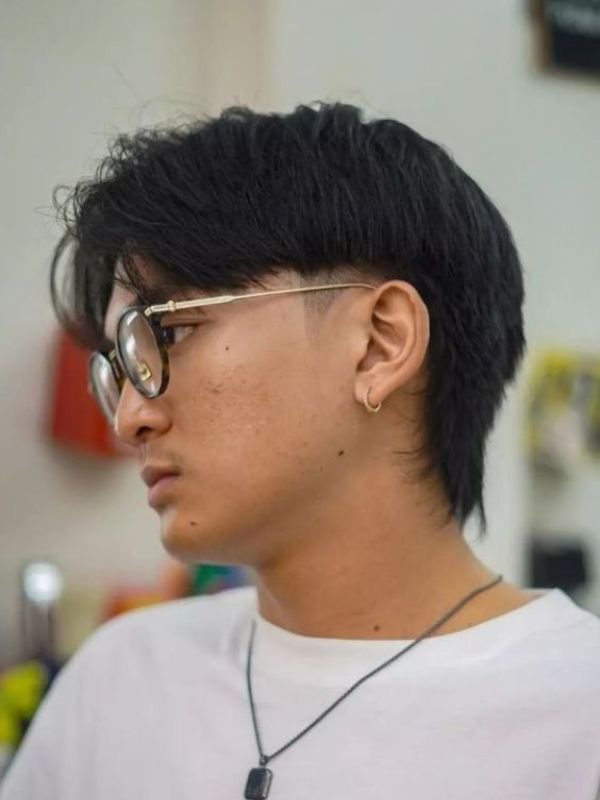
This is the archetype most people picture when they search middle part modern mullet men — a balanced center part, moderate top length, and a mullet back that’s noticeable but not extreme. It’s the safest, most universally flattering entry on this list.
13. Loose Wave Mullet
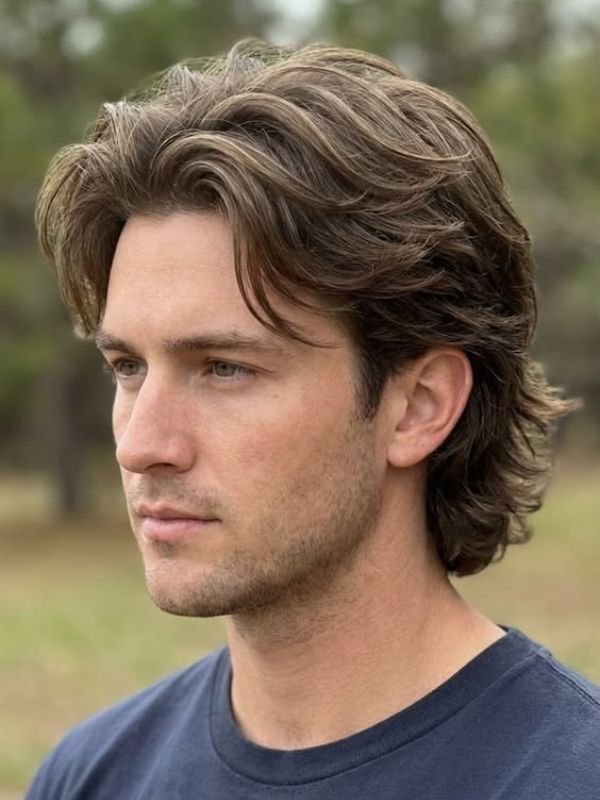
Built for naturally curly or wavy hair, this cut lets the waves do the styling work. Minimal product, air-dried finish, and a shape that gets better with every wash — low effort, high reward.
Also Read : Low Taper Fade Mullet: Styles for Every Hair Type & Face
14. Sharp Contrast Mullet
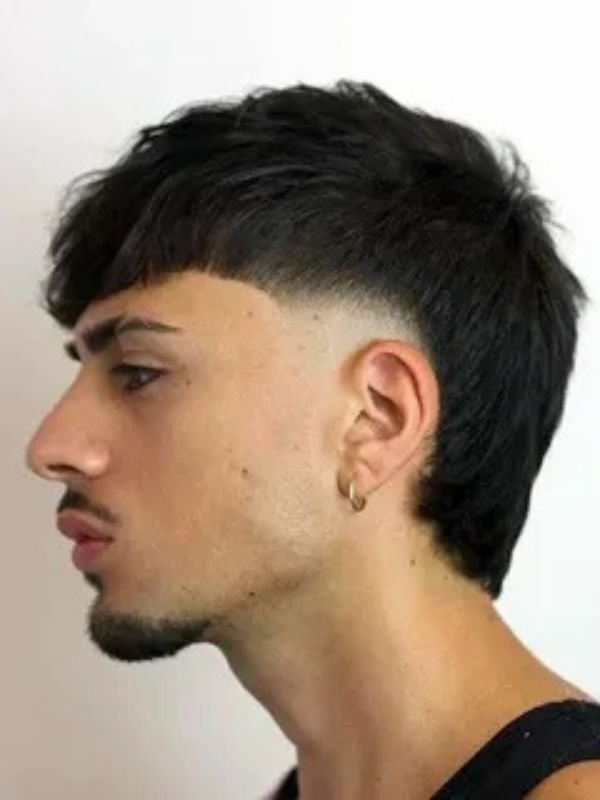
Combining a hard middle part with a razor-sharp taper fade mullet on the sides, this look is all about clean lines against textured length. It’s a favorite among men who want a bold, high-fashion finish.
15. Modern Soft Drop Mullet
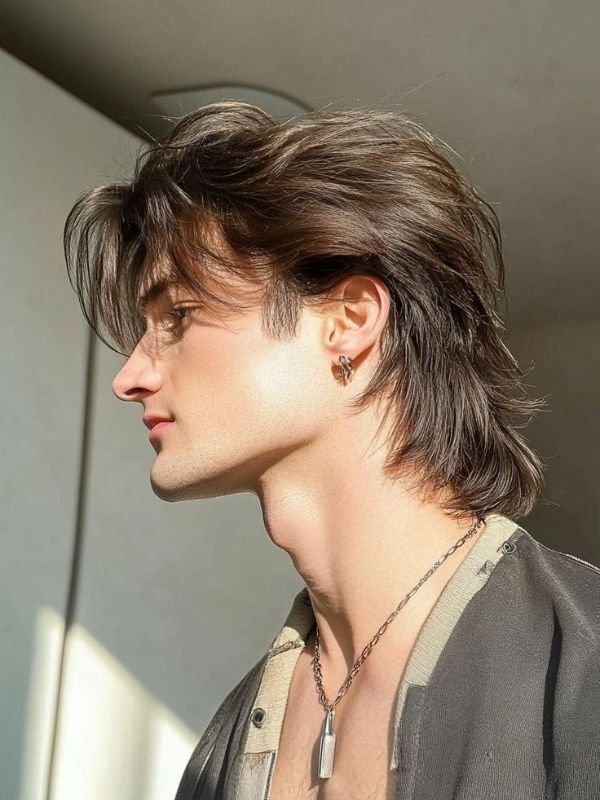
This style uses a drop fade that curves gently behind the ear, softening the transition between the sides and the back mullet length. It’s subtle, modern, and works especially well with a center part mullet setup.
16. Taper Fade Mullet
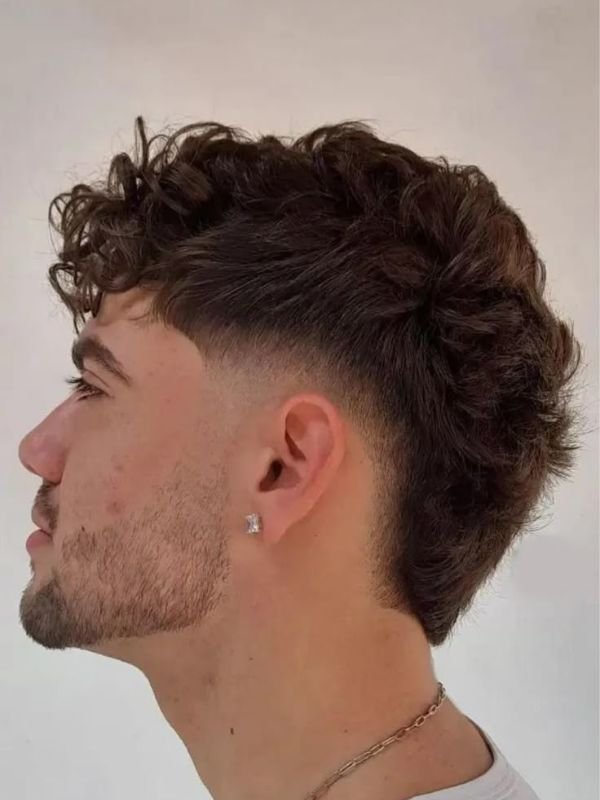
A more traditional take, this variation gradually tapers the hair down the sides and back without going to skin. It’s a low-maintenance, versatile option that suits nearly every hair type and face shape.
Also Read : 35 Best Military Haircuts for Men: Sharp & Timeless Styles
17. Wavy Middle Part Mullet
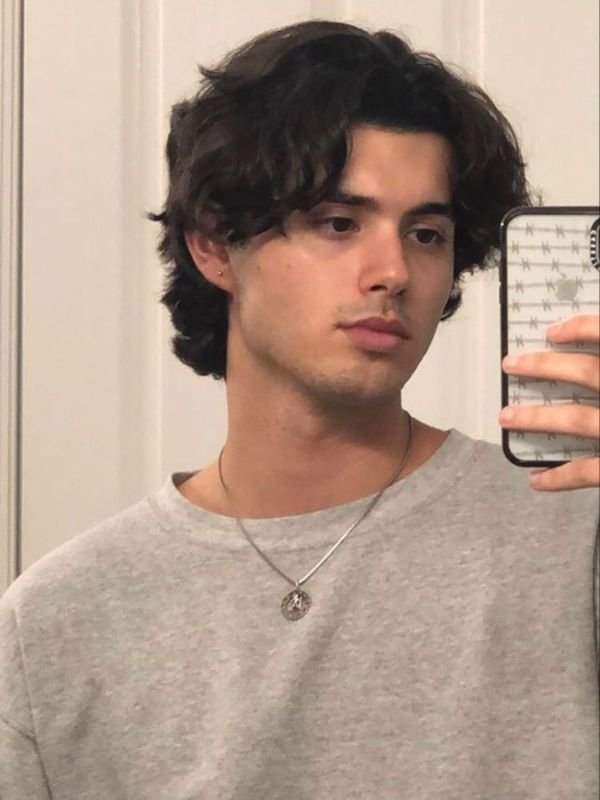
Designed specifically for wavy hair types, this cut enhances natural texture with strategic layering. A sea-salt spray or light texturizing cream brings out definition without weighing the hair down.
18. Korean-Style Middle Part Mullet
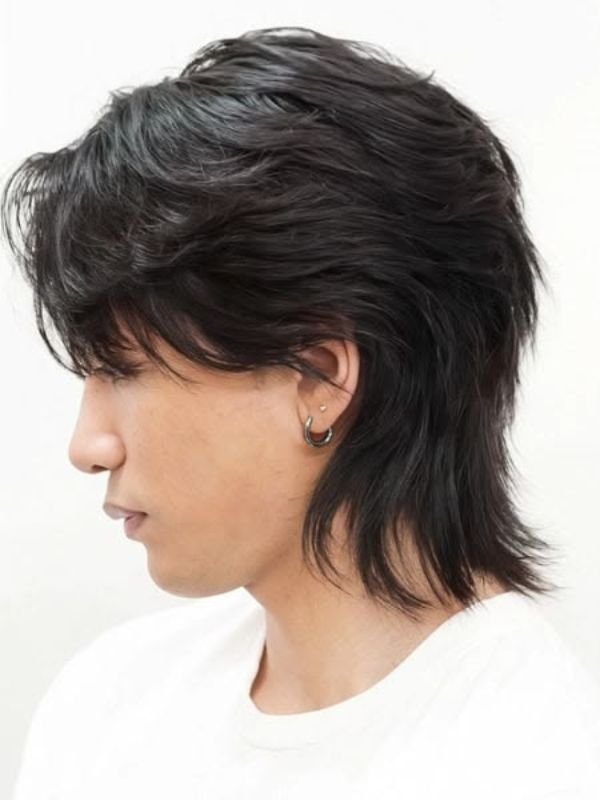
Influenced heavily by K-pop and Korean street fashion, this version keeps the top soft, straight-ish, and face-framing, with a curtain mullet effect at the front and a tapered, tidy back. It’s currently one of the most requested styles among younger clients in 2026.
Professional Styling Breakdown
Getting a modern mullet haircut right comes down to three technical decisions your barber makes before the scissors even touch your hair:
- Part placement — a true center part vs. a soft, natural-fall part changes the entire face-framing effect.
- Fade type — skin fade, taper fade, or no fade at all determines how bold or subtle the contrast reads.
- Length ratio — the balance between top length, side length, and back length is what separates a tasteful modern mullet from an outdated one.
A skilled barber will always consult your hair density and growth pattern before committing to any of the 18 styles above, since a layered mullet that looks great on straight, thick hair might fall flat on fine or curly hair.
What Is The Modern Mullet?
The modern mullet is a contemporary reinterpretation of the classic “business in front, party in back” haircut. Unlike its 1980s predecessor, today’s version emphasizes texture, gradual fades, and intentional layering instead of a blunt, disconnected cut.
Modern versions typically feature:
- A tapered or faded side and back section
- Noticeably longer length left at the crown and nape
- Soft, blended transitions rather than harsh lines
- Styling that leans into natural texture instead of heavy gel or spray
When paired with a middle part haircut, the mullet gains an extra layer of sophistication, making it far more wearable in professional and social settings than its retro version ever was.
Who Should Choose This Hairstyle?
The middle part mullet isn’t a one-size-fits-all cut, but it’s more adaptable than most people assume.
Great candidates include men who:
- Have medium to thick hair density (fine hair can still work with the right layering)
- Want a low-to-moderate maintenance style that still looks deliberate
- Have an oval, round, or square face shape, since the center part helps balance facial proportions
- Are comfortable with regular trims to maintain shape as the hair grows out
Proceed with caution if you:
- Have very fine, thin hair — ask your stylist for heavier layering to fake volume
- Prefer an extremely low-maintenance, wash-and-go routine, since some variations (like the editorial volume mullet) need daily styling
How to Maintain a Middle Part Mullet
A great haircut is only half the equation — upkeep is what keeps a modern mullet haircut looking sharp instead of shaggy in the wrong way.
Daily care:
- Use a lightweight sea-salt spray or texturizing cream to define waves and separation
- Blow-dry with a diffuser or round brush if you want more volume at the crown
- Avoid heavy pomades on fine hair, as they can flatten the top section
Weekly and monthly upkeep:
- Book fade or taper touch-ups every 2–3 weeks if you’re wearing a skin fade mullet or taper fade mullet
- Trim the back and nape every 4–6 weeks to keep the mullet shape intact without losing overall length
- Use a hydrating conditioner or leave-in treatment to prevent dryness, especially if you’re growing out the back section
Styling tools worth having:
- A wide-tooth comb for detangling longer sections
- A round brush for guys chasing volume at the part
- A matte clay or paste for texture-driven variations like the urban texture mullet
Style Positioning in the Modern Fashion Industry
The middle part mullet has moved well beyond niche subculture status. It’s now a fixture in men’s fashion editorials, styled alongside oversized blazers, streetwear layers, and minimalist tailoring alike.
Its appeal lies in contrast: structured on the sides, expressive on top. That duality is exactly what modern menswear has been chasing for the past few seasons — polished, but never boring.
Celebrities, footballers, and musicians have all helped push men’s mullet hairstyles back into the mainstream, and barbers report increasing requests for customized versions rather than a single “standard” mullet. That demand for personalization is precisely why this article breaks the style into 18 distinct variations instead of one generic template.
Conclusion
The modern mullet haircut has earned its place as one of the most versatile men’s hairstyles of 2026 — and pairing it with a middle part only strengthens its appeal. Whether you gravitate toward a sharp skin fade mullet, a relaxed curtain mullet, or a textured wolf cut mullet, there’s a variation on this list suited to your hair type, face shape, and maintenance preference.
The key to pulling off any middle part mullet is communication with your barber: bring reference photos, be honest about your styling routine, and commit to the trim schedule that keeps the shape sharp. Do that, and you’ll have a haircut that looks as intentional on day one as it does six weeks later.
Frequently Asked Questions
Is the modern mullet haircut still trendy in 2026?
Yes — softer fades and middle part styling have turned it into a mainstream menswear staple.
What face shapes suit a middle part mullet best?
Oval, round, and square face shapes benefit most from the balancing effect of a center part.
How often do I need a trim to maintain a mullet fade?
Every 2–3 weeks for the fade, and every 4–6 weeks for the longer top and back sections.
Can men with curly or wavy hair pull off a middle part mullet?
Yes — curly and wavy textures add natural movement, especially in loose wave and wavy mullet variations.
