
If there’s one cut I keep recommending to clients over 50, it’s the shag. I’ve been doing hair for a long time, and shag haircuts remain one of the most flattering, low-maintenance, and genuinely fun options for women who want a bit of edge without sacrificing softness around the face. The layers do a lot of the work for you — they add movement, disguise thinning, camouflage a few extra pounds around the jaw if that’s a concern, and take years off without looking like you tried too hard.
What I love most about recommending a shag to older clients specifically is how forgiving it is. Hair changes as we get older — it can thin out, lose some of its natural shine, go a little more brittle, or simply stop holding the shapes it used to hold. A blunt, one-length cut tends to highlight all of that. A shag hides it. The broken-up layers catch light differently across the head, so even hair that’s lost some density still looks like it has movement and body.
Below are twelve of my favorite shag variations for older women, plus real talk about growing one out, some styling and product notes I give clients in the chair, and a few celebrities who’ve made the cut look effortless well into their 60s and 70s.
Short Shag
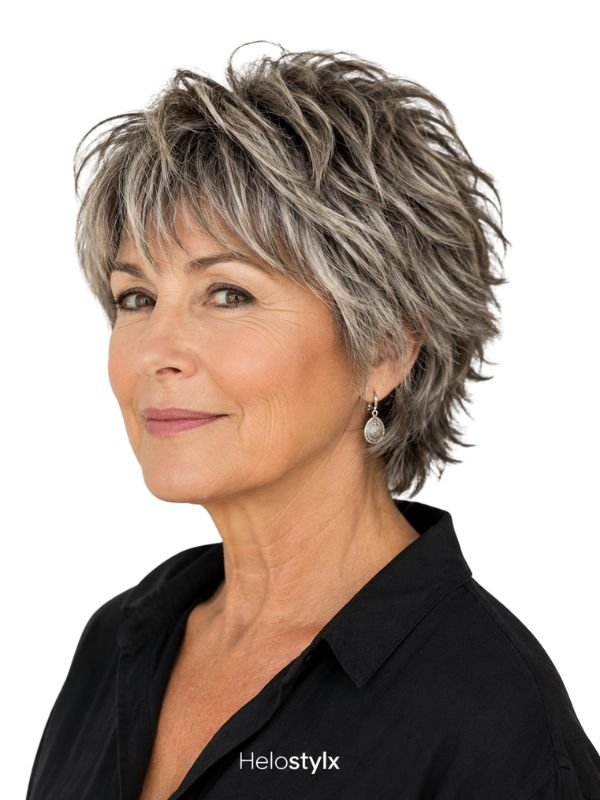
A short shag sits just below the ears or at the jaw and is built almost entirely on choppy, textured layers. This is the version I suggest to clients who want something low-fuss — you can wash it, scrunch in a little mousse or texture cream, and walk out the door. The shorter length also draws attention up toward the eyes and cheekbones, which is a nice bonus as we age and the jawline softens a bit.
I’ll usually cut this one with a razor rather than shears through the ends, because it keeps the layers feeling airy instead of blunt. If your hair is on the finer side, ask your stylist to concentrate the heaviest layering near the crown rather than all over — that keeps the volume where you actually want it.
The Classic Sleek Shag

Not every shag needs to look undone. The sleek shag keeps the same layered shape but is blown out smooth with a round brush, giving you a polished, put-together look for work, client meetings, or anywhere you want to look a little more formal. I like this one for women who want the shag silhouette without the “just rolled out of bed” texture.
A light smoothing serum and a medium round brush are really all you need here. If you have some natural wave you’re fighting, a ceramic flat iron run lightly over the ends afterward will keep everything looking intentional rather than frizzy.
The Iconic Shag

This is the shag most people picture when they hear the word — heavily layered, feathered pieces, a fuller crown, and face-framing layers that flip out slightly at the ends. It’s a throwback to the ’70s in the best way, and it photographs beautifully because there’s so much dimension built into the cut itself.
This version does take a bit more styling effort than some others on this list — usually a round brush blowout or a curling iron used to flip the ends outward. But once you learn the technique, it’s quick, and the payoff in terms of body and shape is worth it.
The Naturally Curly Shag
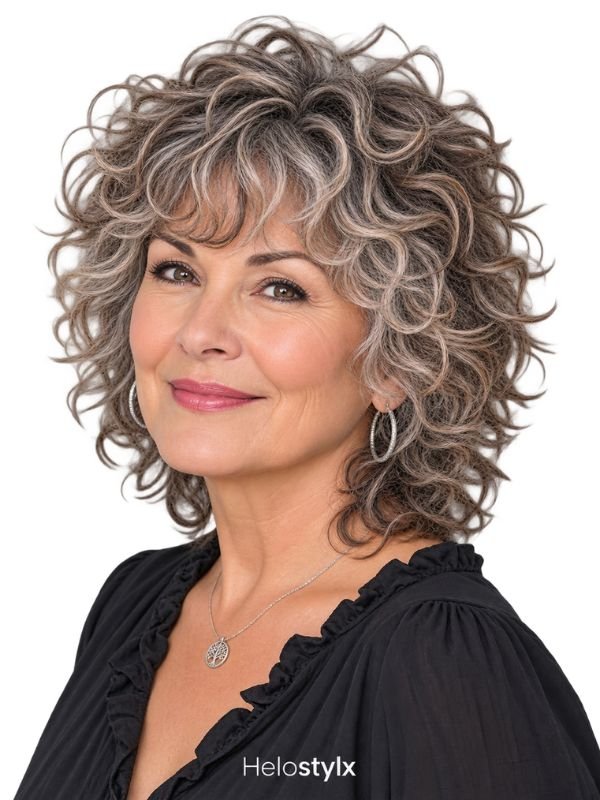
Curly hair and shag layers were made for each other. The layers remove bulk and let each curl fall into its own shape instead of forming one heavy triangle. If you’ve got natural curl or wave and you’ve been afraid to cut layers in, this is the one to bring to your stylist — it tends to shrink up shorter than you expect once it dries, so go in prepared for that and maybe ask for slightly longer layers than you think you want.
I always recommend having curly hair cut dry, or at least checked dry before the final trim, so your stylist can see exactly how each curl is falling before taking anything else off.
The Shag with Volume
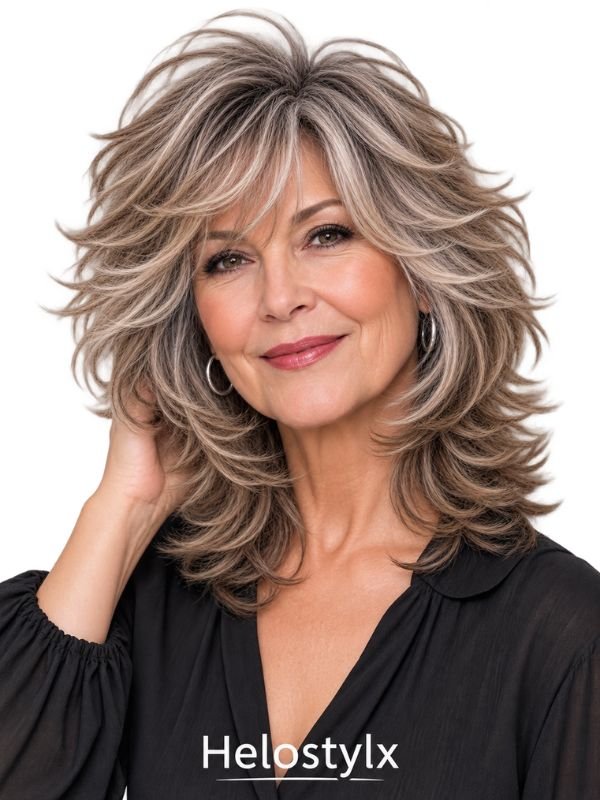
For anyone dealing with fine or thinning hair, a shag cut with lift at the crown is genuinely one of the best tools we have. Heavy layering through the top creates the illusion of density, and a light backcombing or root-lifting spray keeps that volume going through the day. I also like a volumizing mousse applied at the roots on damp hair, then diffused or blow-dried upside down for the first few minutes.
If thinning is a real concern, ask about layers that start a bit higher on the crown rather than lower down the head — the higher the layering starts, the more lift you’ll get without losing overall length.
Shag with Long Bangs
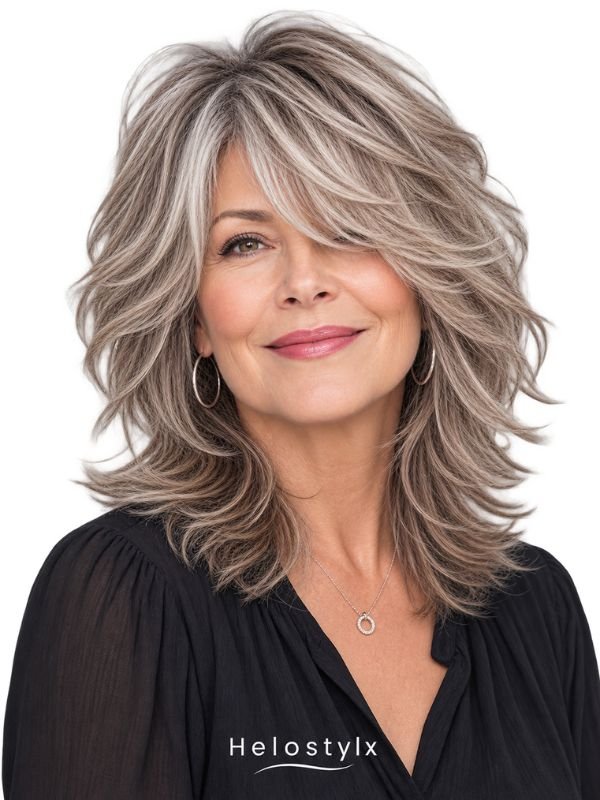
Long, side-swept bangs that blend into the shag layers soften the whole face without the commitment of a full fringe. This version is forgiving if you’re growing bangs out or trying them for the first time — they can be tucked behind an ear or pinned back on days you want them out of the way.
This is also a great option if you have a higher forehead or want a little extra coverage there without going full bang. The layers blend so gradually into the rest of the cut that there’s no harsh line to manage as they grow.
Pixie Shag
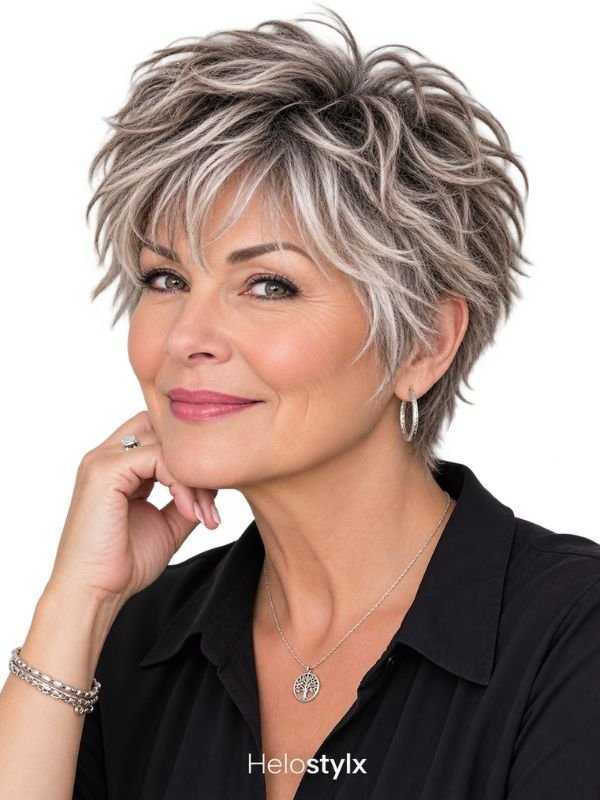
Take the choppy, textured energy of a shag and apply it to a pixie length, and you get a cut with serious personality. It’s short, it’s easy to style, and the layering keeps it from looking too severe or masculine. This is a favorite among clients who’ve worn pixies for years and want to freshen things up without losing that short, easy-care lifestyle.
A little pomade or texture paste worked through dry hair with your fingertips is usually all the styling this one needs. It’s genuinely one of the fastest cuts to maintain day to day.
Easy Shag Hairstyle
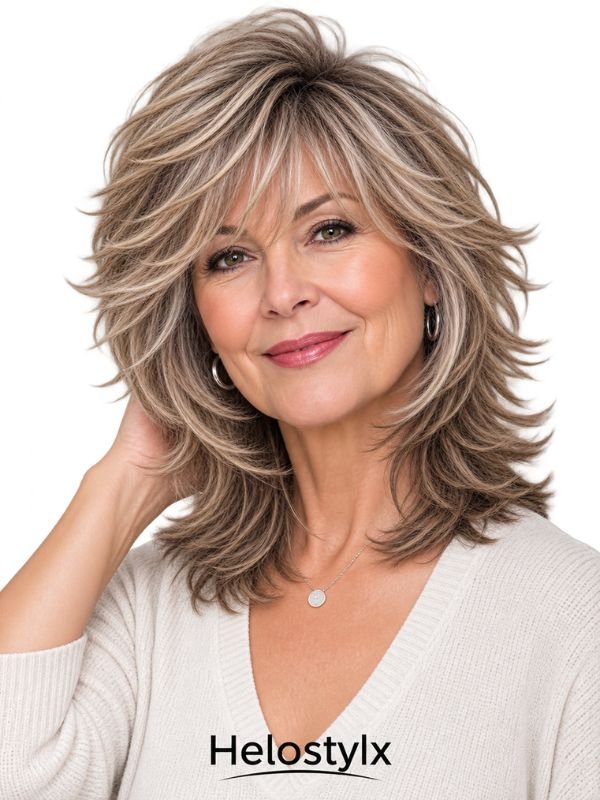
Sometimes you just want a cut that requires almost nothing from you in the morning. An easy shag is cut with air-drying in mind — the layers are designed to fall into place with minimal product and no real styling tools required. I always tell clients this is the shag to ask for if you travel a lot, have a busy schedule, or simply don’t enjoy fussing with your hair.
The trick is in the cutting technique, not the styling. A stylist who point-cuts and texturizes properly will give you a shape that looks finished even when it dries completely on its own.
Salt and Pepper Shag Style
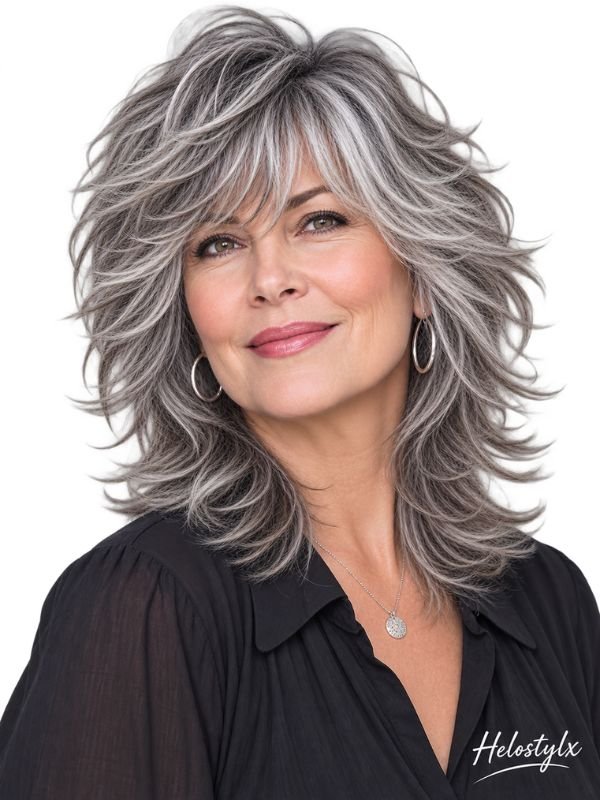
Gray and silver hair has a texture all its own, and the shag flatters it beautifully. The layers catch the light differently across strands of varying tone, which actually enhances that salt-and-pepper blend instead of flattening it. If you’re transitioning to gray, this cut can make the process look intentional from day one rather than like an awkward in-between phase, since the layers break up any obvious line between your natural color and any leftover dye.
A purple or silver-toning shampoo used once a week will also help keep any brassiness out of gray tones, which makes the color — and the cut — look that much sharper.
Straight Shag
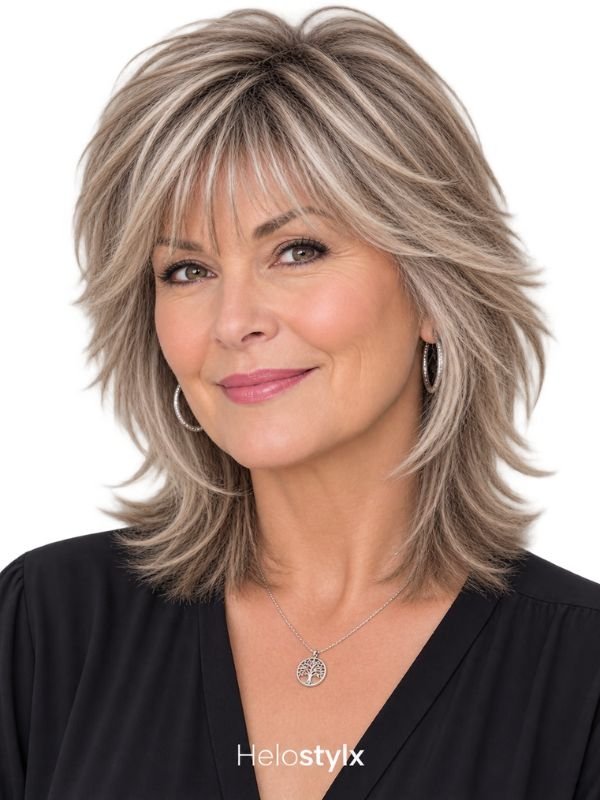
For pin-straight hair, the shag brings in texture that might otherwise be missing. Point-cutting the ends rather than blunt-cutting them keeps the layers from looking too structured, and a bit of texturizing spray or a loose iron wave gives the whole thing some grit and movement.
If your hair is straight and on the thicker side, this cut is a great way to remove bulk without losing length — something a lot of my clients ask for once their hair starts feeling heavy or hard to manage.
Wavy Mid-Length Shag
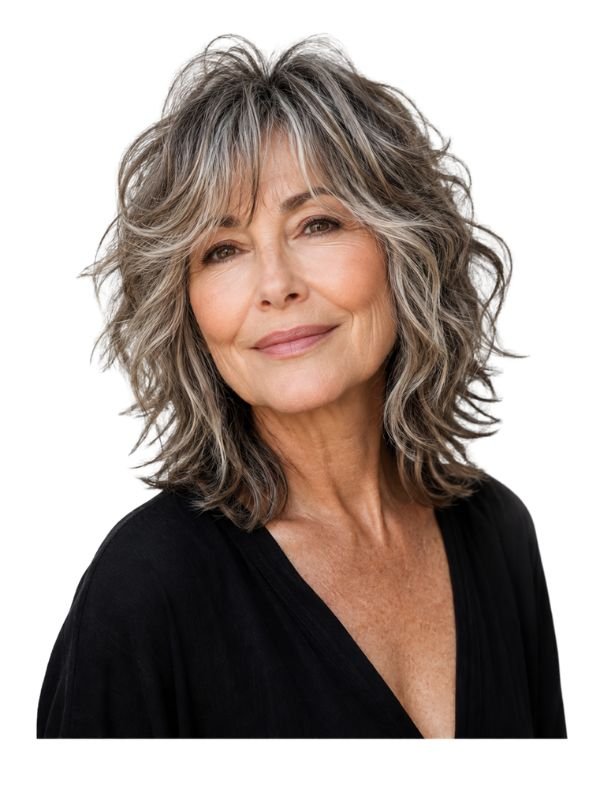
This is one of the most requested versions in my chair. Mid-length, past the chin but not much further than the shoulders, with layers that enhance natural wave. It’s versatile enough for the office and relaxed enough for weekends, which is exactly why it’s stuck around for decades and keeps coming back into style.
For styling, I usually suggest a lightweight sea salt or texture spray on damp hair, then either air-drying or a quick diffuse. It brings out the wave pattern without weighing the layers down.
Shag with Curtain Bangs
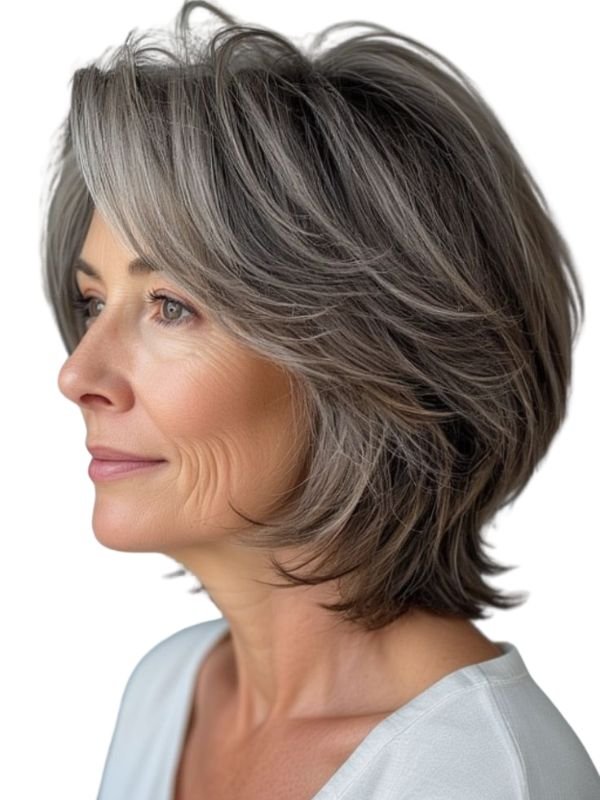
Curtain bangs split down the middle and sweep to either side, blending seamlessly into shag layers. This combination is enormously popular right now, and for good reason — it frames the face, softens the forehead, and works on nearly every face shape I’ve come across, from round to square to long.
If you’re nervous about committing to bangs, curtain bangs are the easiest entry point. They’re long enough to tuck behind your ears on days you’d rather not deal with them, and they grow out into the rest of the shag without much fuss.
Can You Grow Out a Shag Gracefully?
Yes, and it’s easier than most people expect. Because a shag is already built on layers, there’s no harsh “grow-out line” the way there is with a blunt bob. Plan on trims every eight to ten weeks to keep the shape controlled while the overall length builds, and ask your stylist to gradually blend the shortest layers into the rest as they grow.
Most of my clients transition from a shorter shag into a longer wavy shag without anyone even noticing the in-between stage. The key is communication at each appointment — tell your stylist you’re growing it out so they can trim strategically rather than cutting it back into a fresh, shorter shape every time.
Also Read This : 12 Best Low-Maintenance Haircuts for Women Over 50, According to Celebrity Stylists
Celebrities Who Wear the Shag Cut Well
Jane Fonda

Fonda has worn variations of the shag for decades, and her version leans polished with soft layers and subtle volume at the crown — proof the cut ages beautifully and can be styled sleek or slightly tousled depending on the occasion.
Meg Ryan

Ryan practically owns the tousled, piecey shag. Her texture-heavy take has inspired countless requests in salons for years, and it remains one of the most-referenced photos clients bring in when describing what they want.
Lisa Rinna
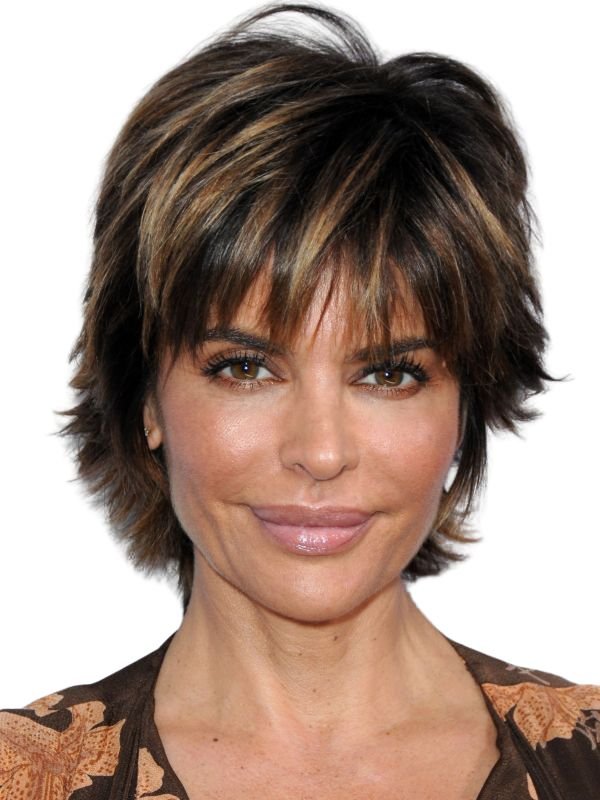
Rinna’s shag is sharper and more editorial, with choppy layers and bold movement. It’s a great reference photo if you want a shag with more attitude and a shorter, more dramatic silhouette.
Sandra Oh
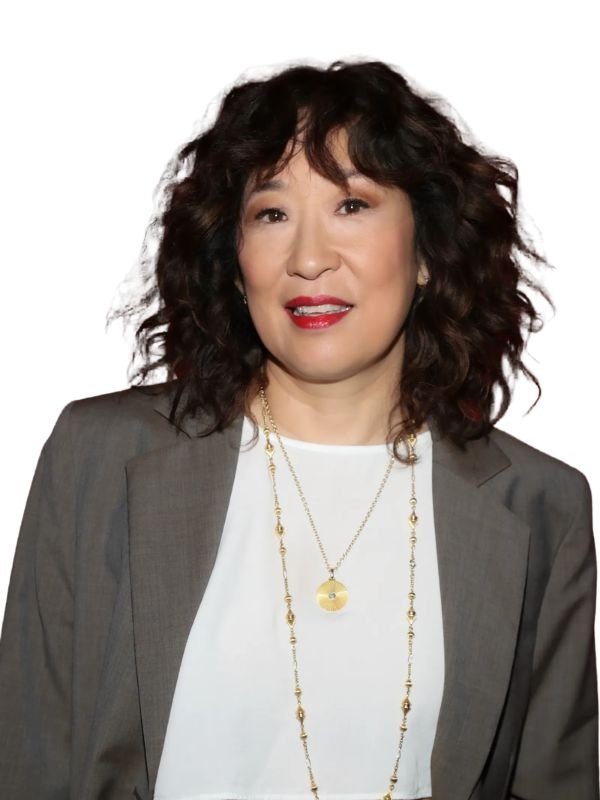
Oh’s shag brings in gorgeous natural wave and face-framing layers, showing how well the cut suits thicker, coarser hair textures without ever looking bulky.
Andie MacDowell
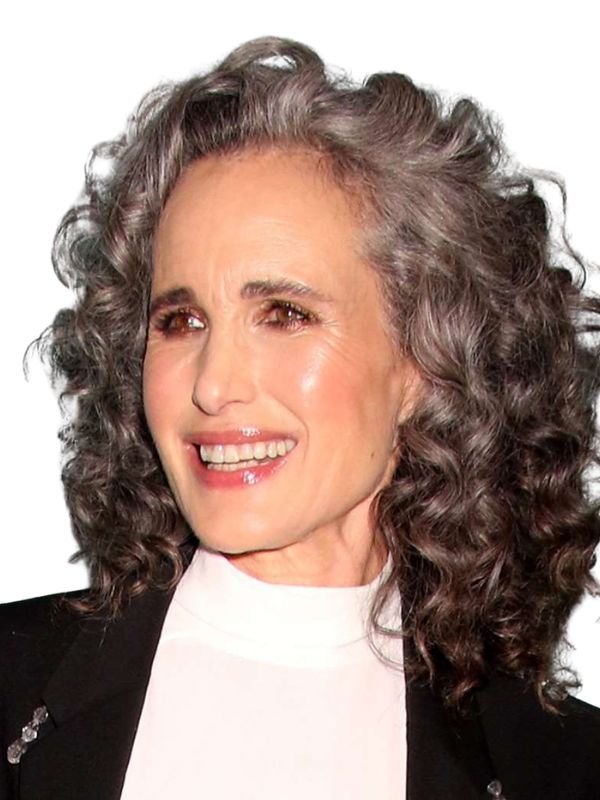
MacDowell’s curly shag is a masterclass in working with natural texture instead of against it — soft, full, and effortlessly romantic, and a great reference for anyone with curls nervous about layering.
FAQ
Does a shag work on thin hair?
Yes, and it’s one of the best cuts for it. The layering creates the appearance of fullness that a one-length cut simply can’t, especially when the heaviest layers are placed near the crown.
How often do I need trims?
Every eight to ten weeks keeps the layers looking intentional rather than shapeless. Waiting much longer than that tends to soften the shape more than most people are happy with.
Can I get a shag with curly hair?
Absolutely — curly and wavy textures often look even better in a shag than straight hair does. Just remember curls shrink up, so factor that into how much length you’re asking for.
Is a shag high-maintenance to style?
Not really. Most versions are designed to look great air-dried, though a sleek shag or the more iconic feathered version will need a bit more blow-drying and brush work.
Will a shag suit my face shape?
In my experience, yes, for almost everyone. The layers and face-framing pieces can be adjusted at the cutting stage to flatter round, square, oval, or long face shapes — it’s one of the most customizable cuts out there.
What’s the best length to start with if I’m not sure?
If you’re new to the shag, a mid-length wavy version is the safest place to start. It gives you enough length to pull back on off days but still delivers all the texture and movement the cut is known for.
Conclusion
At the end of the day, shag haircuts remain one of the most versatile and forgiving cuts you can ask for, no matter your hair type, texture, or how much time you want to spend styling in the morning. Whether you lean toward a short shag for easy upkeep, a wavy mid-length version for everyday versatility, or a fuller shag with curtain bangs to soften your face, there’s a variation on this list built to suit you. The layers do the heavy lifting, adding movement and body while quietly working around any thinning or texture changes that come with age.
If you’re still unsure which direction to go, bring a few reference photos to your next salon visit and talk openly with your stylist about your hair type and daily routine. A good shag haircut should feel like it barely needs effort, and once you find the right version for your hair, you’ll likely wonder why you didn’t try it sooner
